

Da Nang has its own food identity — distinct from Hội An and Huế, not just a stopover between them. The city’s signature dishes are cheap, specific to this stretch of coast, and easy to find if you know what you’re looking for. This guide covers what to order, what it costs, and which parts of town are actually worth eating in.
Quick facts
- Mì quảng — Da Nang’s defining dish. Turmeric noodles, minimal broth, pork or shrimp, peanuts, fresh herbs. ₫40,000–70,000 at most places; ₫20,000–30,000 at market stalls.
- Bánh xèo — Crispy turmeric pancake, filled with shrimp, pork, bean sprouts. Wrap pieces in rice paper with herbs. Full meal at a good spot: ₫120,000–180,000.
- Bún chả cá — Fish-cake noodle soup in a light tomato-fish broth. A Da Nang staple. Around ₫35,000.
- Bánh mì — Loaded Da Nang style: pâté, pork roll, pickled veg, chilli, coriander. ₫25,000–40,000.
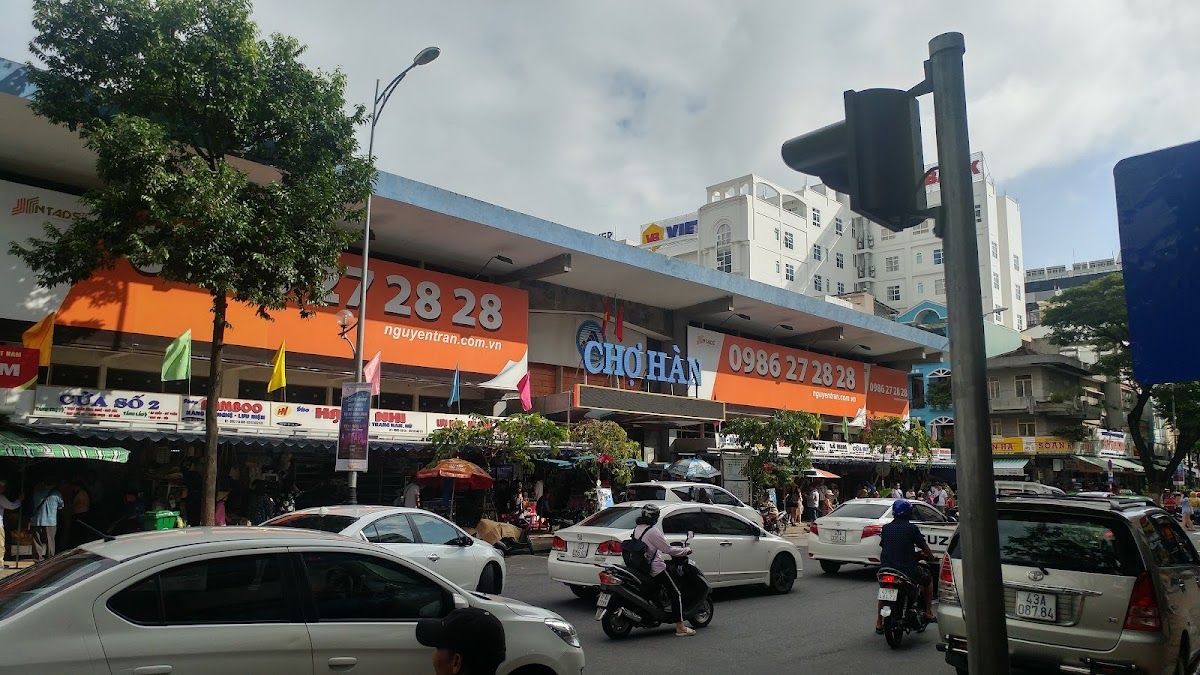
- Han Market — Best for cheap breakfast and street snacks. 6am–6pm, ground floor.
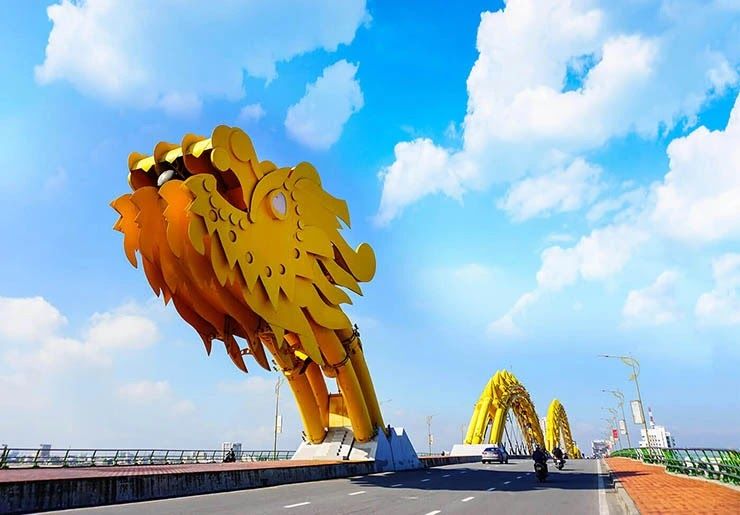
- Avoid the Dragon Bridge tourist strip and picture-menu beachfront restaurants for anything beyond convenience.
Mì quảng
This is the dish to start with. Mì quảng is what Da Nang does that nowhere else quite replicates — thick, flat noodles tinted yellow from turmeric, sitting in a very small amount of broth that works more as a sauce than a soup. On top: pork or shrimp (sometimes both), roasted peanuts, crispy rice crackers, and a pile of fresh herbs and banana blossom.
The texture is the point. Where most Vietnamese noodle soups are broth-forward, mì quảng is about the noodles themselves — the crunch of the crackers against the soft noodles, the herbs cutting through the richness of the peanuts. You mix it all together before eating.
At sit-down local restaurants, expect ₫40,000–70,000. At market stalls and street carts — particularly inside Han Market or near Con Market — you can find it for ₫20,000–30,000. The cheaper versions are often just as good; the expensive ones are usually selling the setting.
Bánh xèo
Bánh xèo translates roughly as “sizzling cake,” which describes exactly what you hear when the batter hits the pan. It’s a large, thin rice-flour pancake, yellow from turmeric, cooked until the edges are crisp and the middle is just set. Inside: shrimp, slices of pork, and bean sprouts.
You don’t eat it whole. Tear off a piece, place it on a piece of rice paper, add lettuce and whatever herbs are on the table, roll it up, and dip it in nước chấm.
Bánh Xèo Bà Dưỡng is the name that comes up most for this dish in Da Nang — it has Michelin Bib Gourmand recognition, which is unusual for a place this casual. It’s worth going. A full meal here, often paired with nem lụi (grilled pork skewers on lemongrass), runs ₫120,000–180,000 per person including drinks. That’s not the cheapest eating in the city, but it’s reasonable for the quality.
Bún chả cá
Bún chả cá is Da Nang’s fish-cake noodle soup. Less well-known than mì quảng to visitors, but eaten daily by most locals.
The fish cakes are made from mackerel or tuna, pounded and shaped before frying or steaming. They go into a clear broth built on fish stock and tomato — lighter and more delicate than the pork-forward soups you get elsewhere in Vietnam. Round rice noodles, spring onion, a wedge of lime, and a small plate of raw herbs on the side.
It’s around ₫35,000 at most local spots. For cheap, reliable versions, look for small family-run shops in the streets near Con Market rather than the tourist-facing restaurants on the main drags. The quality difference is real.
Bánh mì
Da Nang bánh mì leans heavy. The baguette is crispy, the filling dense: pâté, chả lụa (Vietnamese pork roll), pickled daikon and carrot, sliced chilli, coriander, and a hit of soy or Maggi. Some stalls add egg or cold cuts on top.
Cost: ₫25,000–40,000 depending on the fillings. Han Market’s ground floor has reliable stalls from early morning. For a stand-alone lunch, it holds up — the loaded version keeps you full for hours.
Cơm gà
Chicken rice — poached chicken over rice cooked in chicken fat and aromatics, with a bowl of broth and ginger dipping sauce on the side. Da Nang’s version is lighter than the Hội An style, which is more oily and intensely flavoured. Here it’s clean and simple.
Cost: ₫35,000–50,000. Good for lunch. Look for small cơm gà-specific shops rather than general rice-plate restaurants — the single-dish focus tends to mean better technique.
Han Market
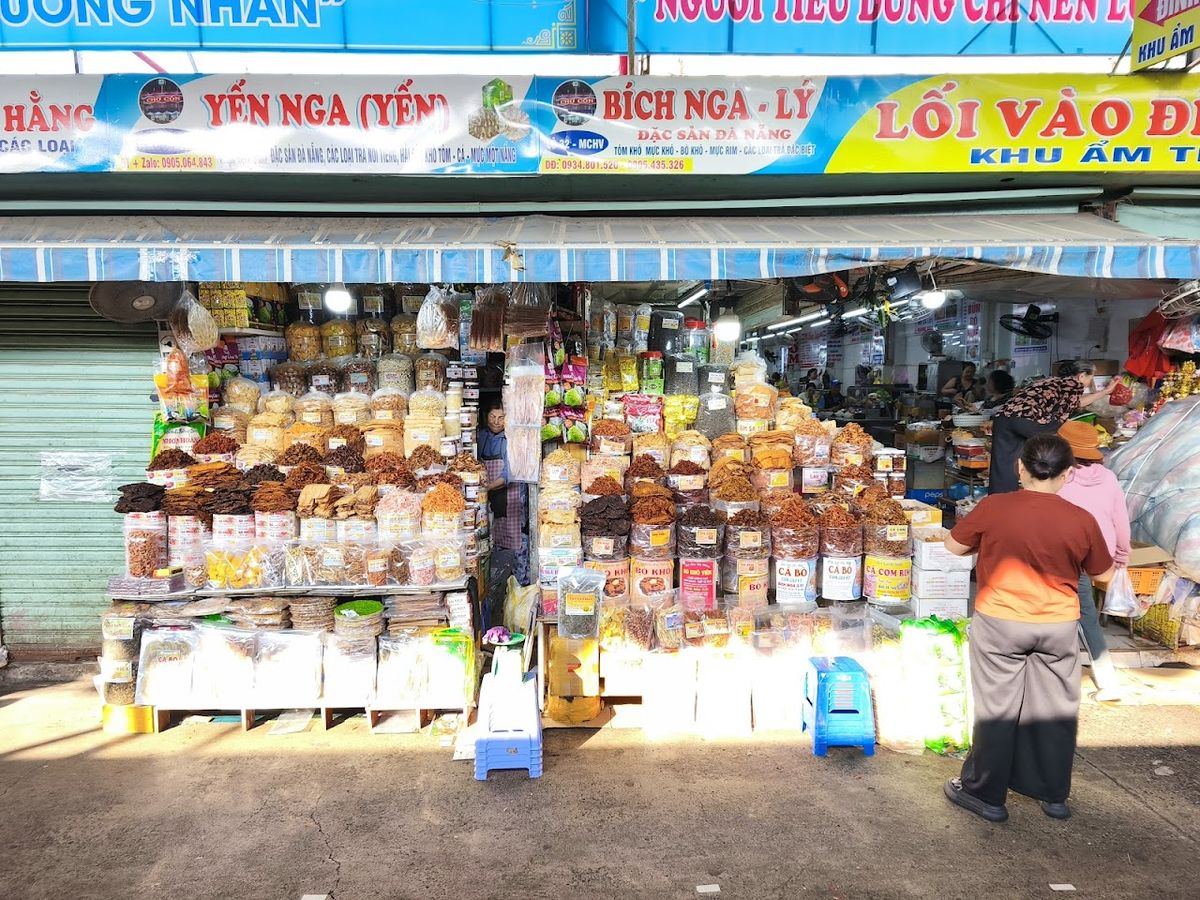
Han Market (Chợ Hàn) sits at 119 Trần Phú in the city centre, open roughly 6am–6pm. Ground floor is fresh produce, seafood, and meat. Upper floors have prepared food stalls.
For eating: the ground floor and mezzanine level have the best food stalls — bánh mì, bánh bao, fresh fruit, and simple breakfast dishes. Come early if you want the full spread; by mid-afternoon the stalls start winding down. Cash only, small bills preferred.
It’s crowded and not particularly photogenic, but the food is good and the prices are honest. ₫15,000–40,000 covers most of what you’d want here.
Seafood
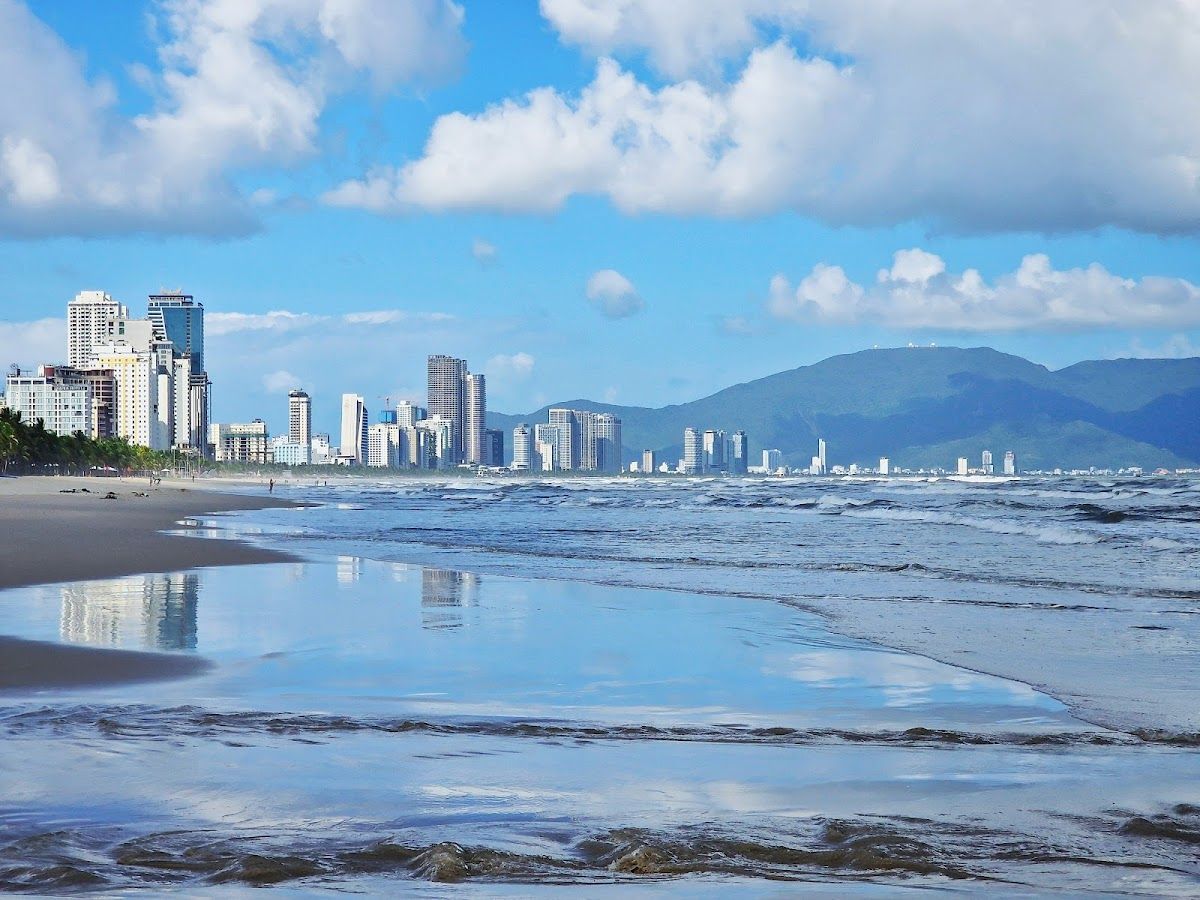
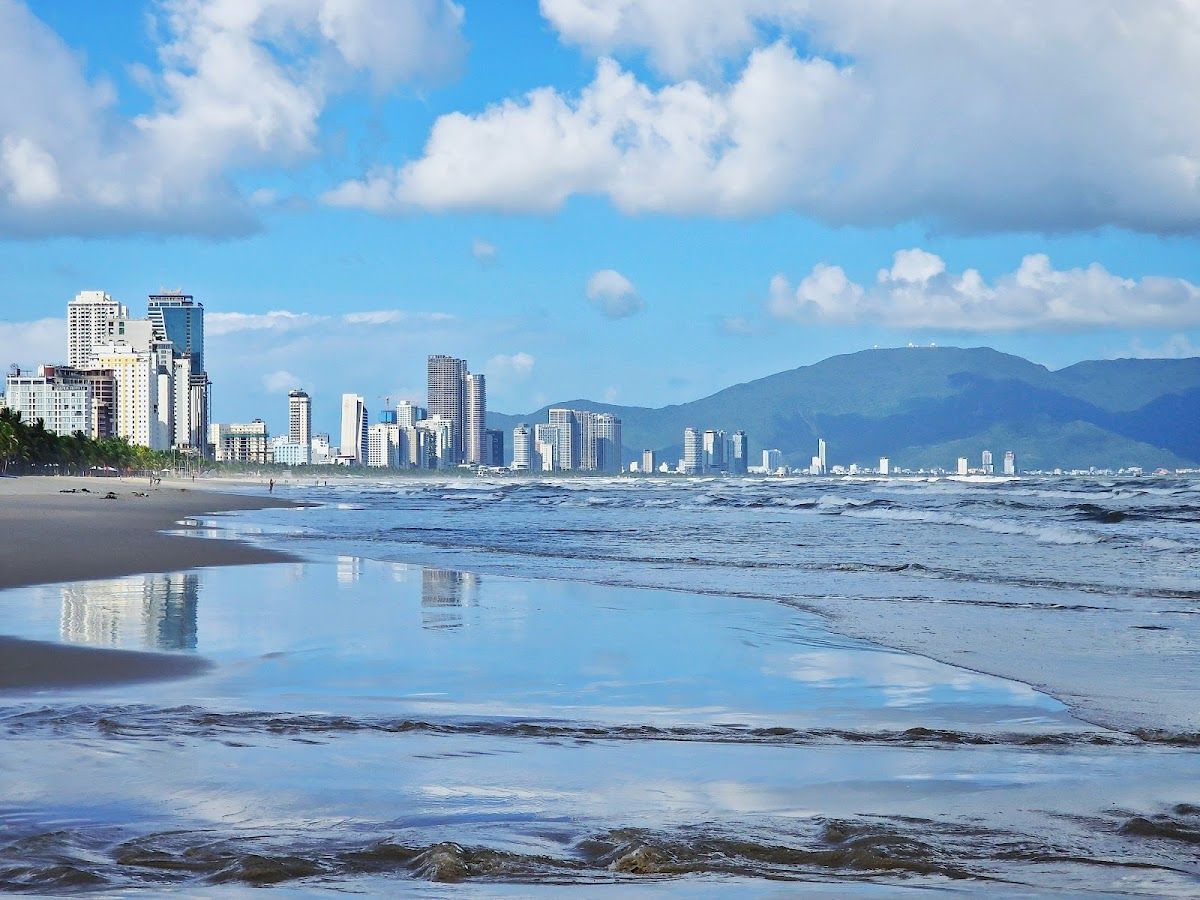
The beach road — Võ Nguyên Giáp and the My Khê strip — has rows of seafood restaurants with tanks out front. Grilled squid, clams, tiger prawns, whole fish, crab. The produce is fresh; that’s the honest answer.
The less honest answer is that pricing at these places is inconsistent, and some restaurants charge significantly more than others for identical food. Per dish: expect ₫150,000–400,000, but that range is wide for a reason. Prawns and crab push to the top end fast.
Two things worth doing before you order: ask for the price per 100g on anything sold by weight, and confirm the total before they start cooking. This isn’t paranoia — it’s just how beachfront seafood works in most of Southeast Asia. Agree the numbers upfront and it’s usually fine.
For somewhere to sleep after a seafood dinner without the beachfront markup, browse the options before you book — the city-centre options are often better value than the resort-adjacent ones.
Coffee
Ca phê sữa đá (iced milk coffee) is the default, and it’s very good. Strong robusta coffee dripped over condensed milk and ice. ₫15,000–25,000 at local cafes, more at the Instagram-facing places. Ca phê trứng (egg coffee) is less common here than in Hanoi but you’ll find it — whisked egg yolk and sugar over strong coffee, thick and sweet. ₫20,000–30,000.
Sit-down cafes are everywhere. Most local ones don’t have English menus; pointing at what someone else has usually works fine.
Where to eat cheap
The cheapest full meal in Da Nang is cơm bình dân — daily rice plates. You walk up to a bain-marie, point at three or four dishes, and they serve them over rice. Expect ₫35,000–60,000 for a full plate with protein and vegetables.
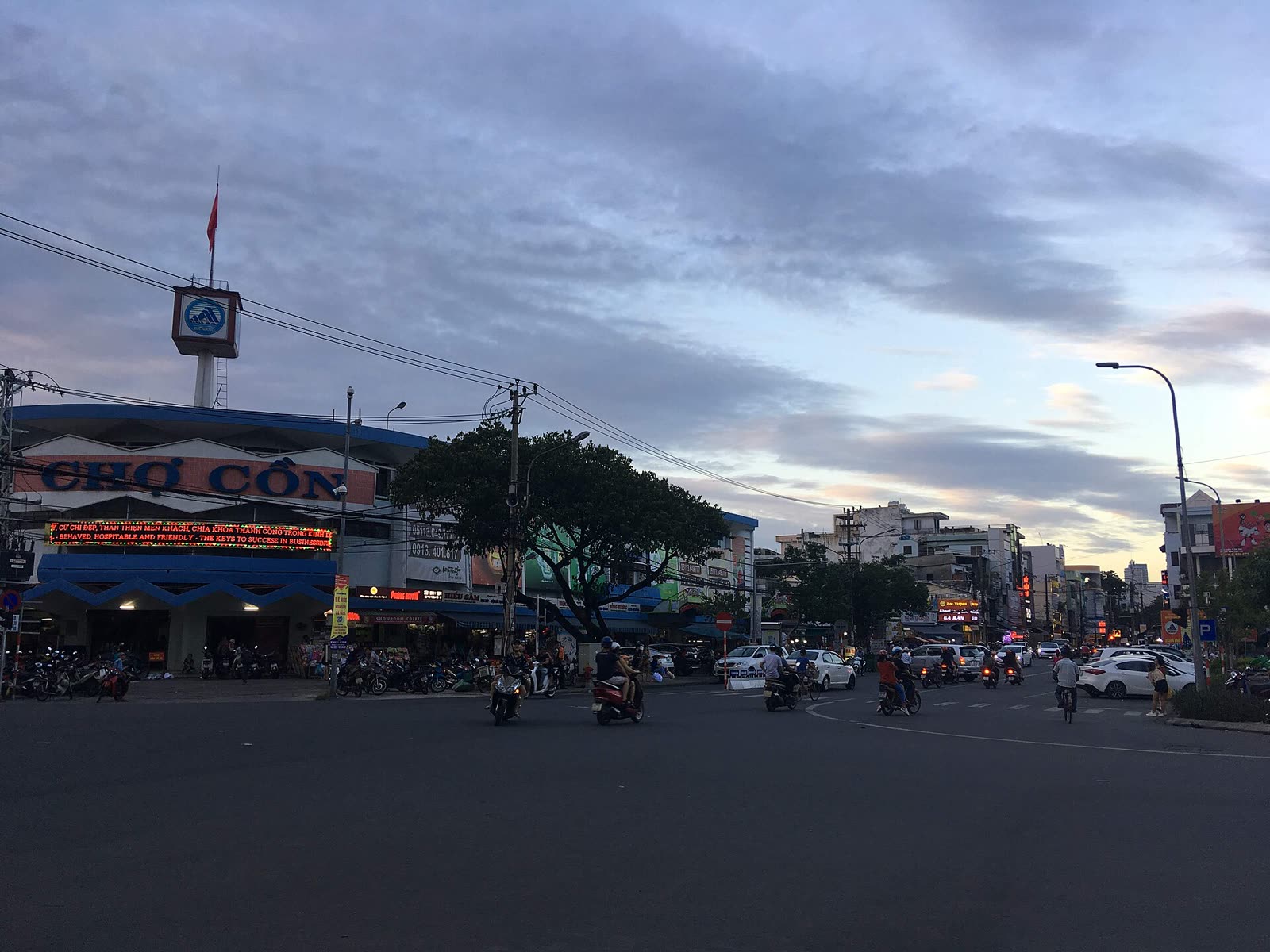
Nguyen Chi Thanh Street and the streets around Con Market are the best areas for this. These are not tourist restaurants — there’s usually no English menu and sometimes no menu at all. That’s not a problem. Point, nod, eat.
For a full rundown on keeping costs down across the city, see Da Nang on a budget.
What to skip
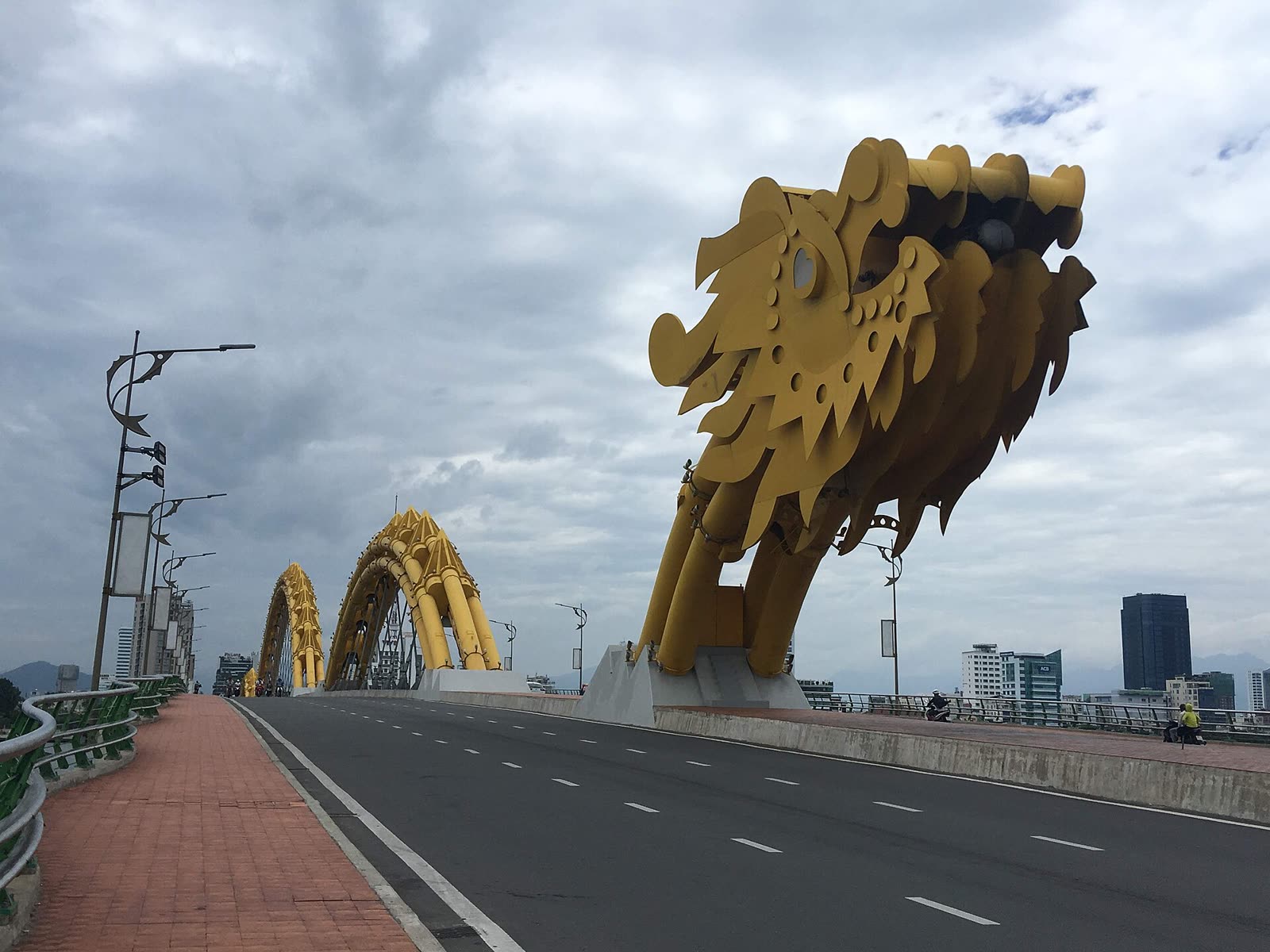
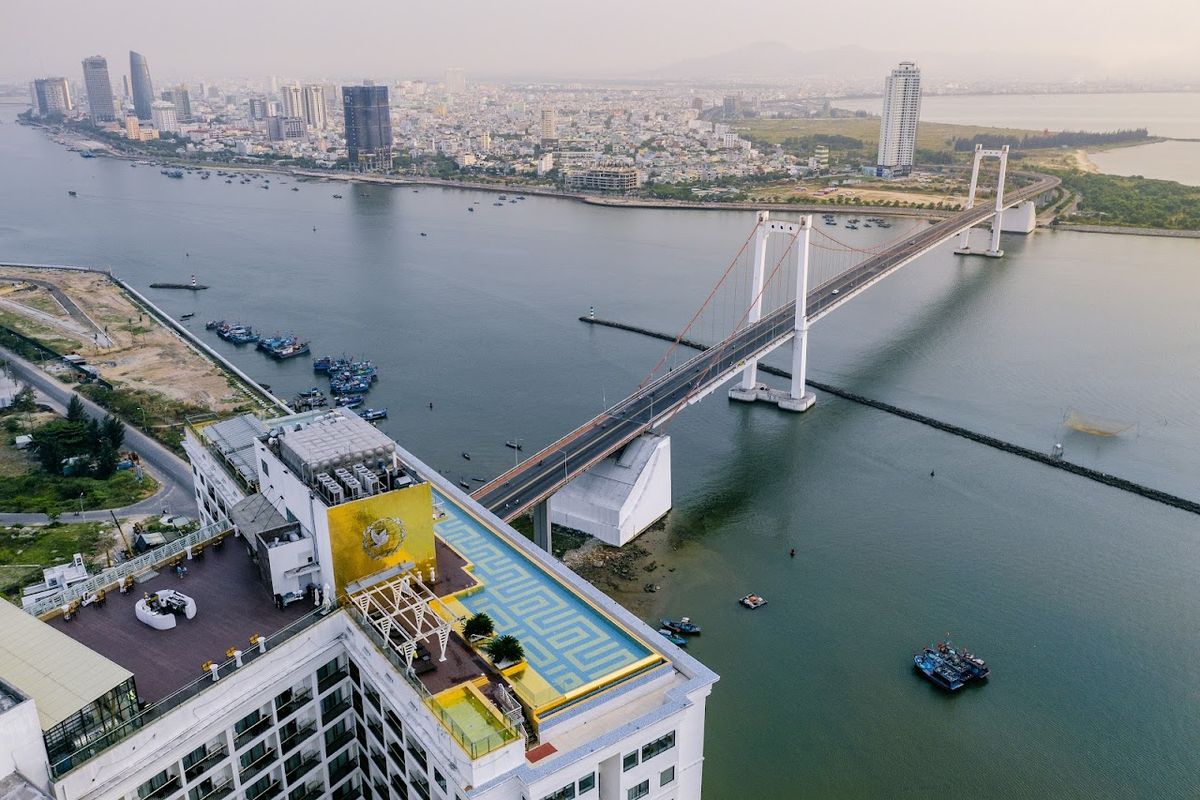
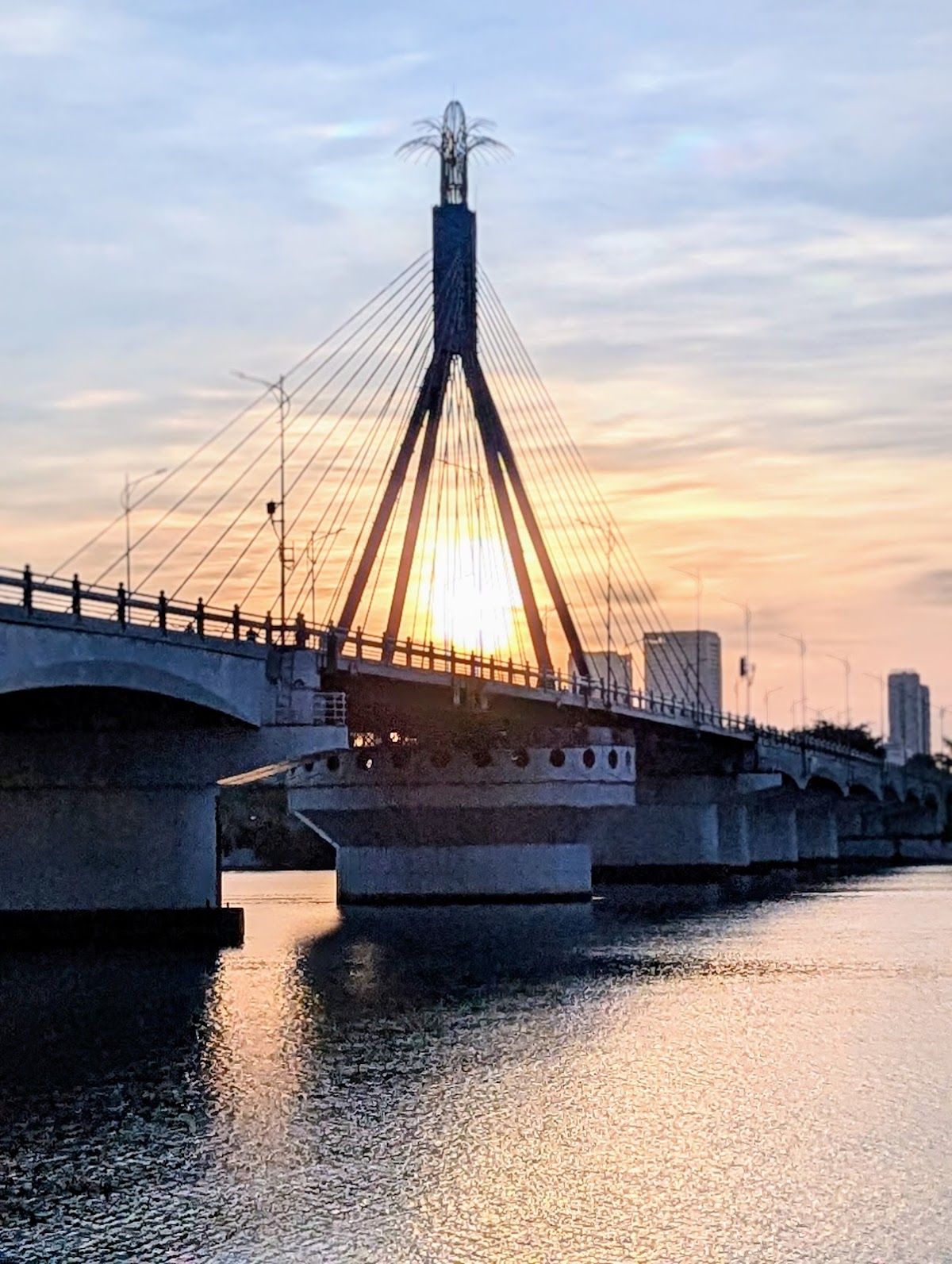
The strip immediately around the Dragon Bridge is tourist infrastructure. The An Thuong area guide is the better neighbourhood if you want a choice of restaurants within a walk. The restaurants are fine in the sense that they won’t make you sick, but they’re charging three times the local rate for food that’s a step below what you’d get two streets back. Same goes for the large beachfront places with laminated picture menus and someone standing outside to bring you in.
Not every place with a nice fit-out is bad — some of the mid-range restaurants in the city centre are genuinely good. But the selection mechanism of “it’s near the famous bridge” or “it has pictures of the food” is a reliable signal for overpriced and underwhelming.
The food worth eating in Da Nang is mostly in small shops, market stalls, and no-frills spots where the menu has three items because that’s what the owner decided to get good at. That’s where the city’s actual food culture lives.
FAQ
What should I eat first in Da Nang? Mì quảng. Turmeric noodles, a little broth, pork or shrimp, peanuts, herbs and a rice cracker. ₫40,000–70,000 sitting down, ₫20,000–30,000 at a market stall.
Where is the cheap breakfast? Han Market, ground floor, from about 6am. Bánh mì on the street is ₫25,000–40,000.
Where should I not eat? The restaurant row on the Dragon Bridge. Walk two streets away and the same sort of meal costs less and is usually better. Con Market’s surrounding streets are the local alternative.