



Hoi An
The ancient town 30km south of Da Nang — lanterns, tailors, riverside restaurants, and a pace of life worth more than a day trip.
Hoi An is 30km south of Da Nang and a different world. Where Da Nang is modern and functional, Hoi An is slow and layered — a preserved merchant port where the streets are narrow, the architecture is centuries old, and the main question by day three is what to order for lunch. Most visitors come on a day trip from Da Nang; most of those visitors wish they’d stayed longer.
Quick facts
- Best for: atmosphere, food, tailors, full-moon lantern nights, anyone wanting a slower pace
- Distance to Da Nang: 30km; ₫200,000–250,000 Grab car, or ₫50,000–80,000 local bus
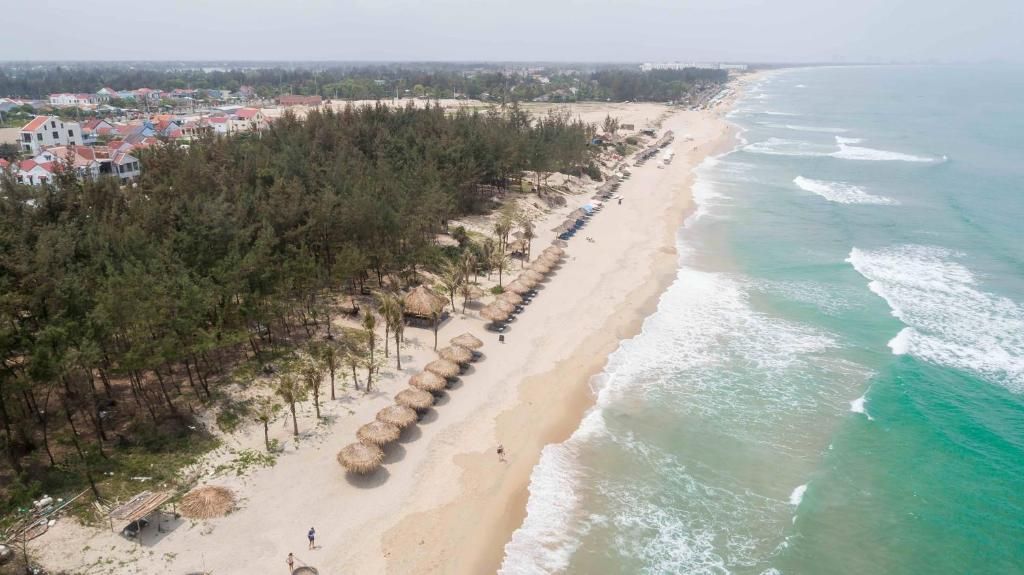
- Distance to An Bang Beach: 4km; 15-minute cycle or ₫30,000–50,000 Grab
- Old town entry ticket: ₫120,000 (covers five heritage sites including the Japanese covered bridge and assembly halls)
- Full moon night: once a month — electric lights off, lanterns on
The vibe
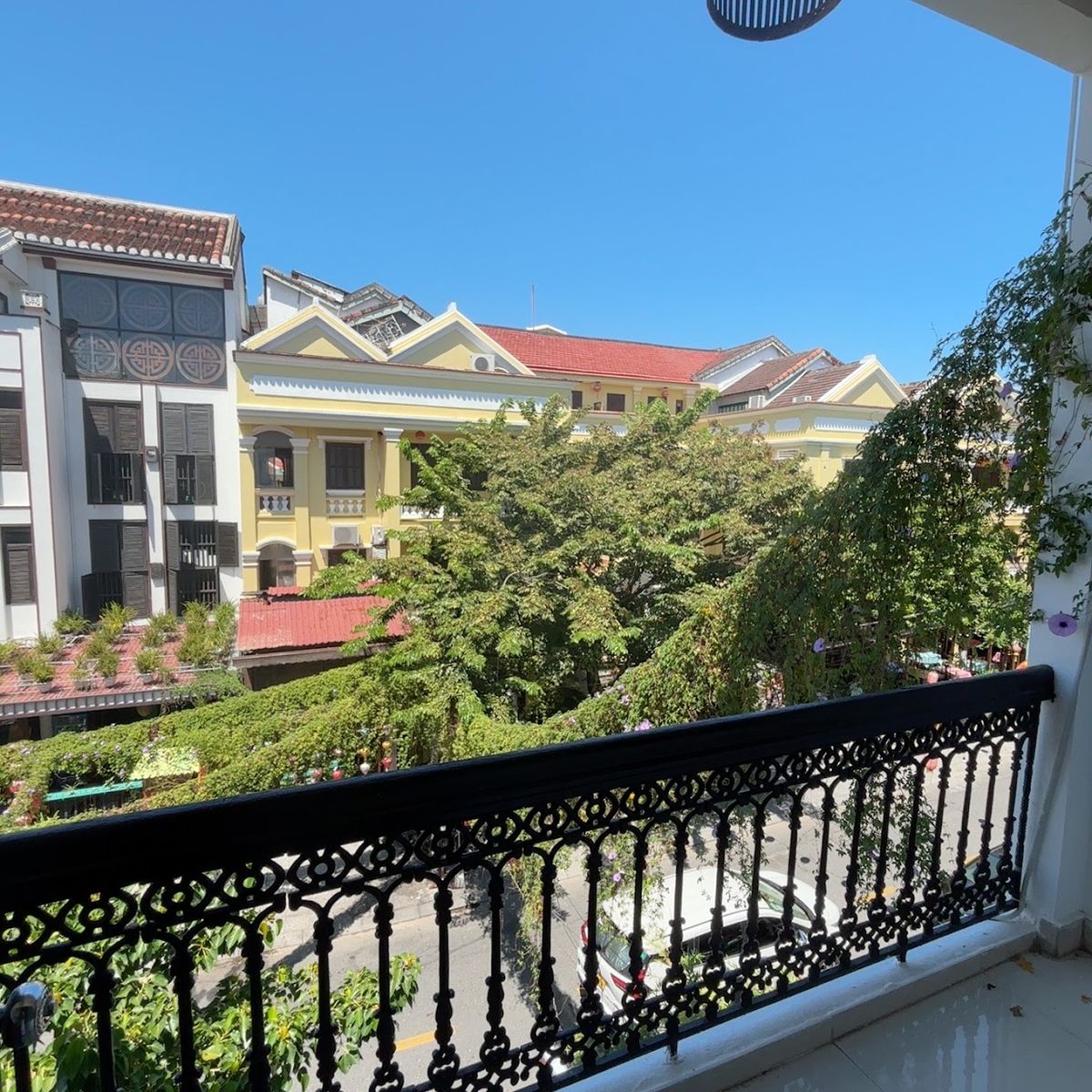
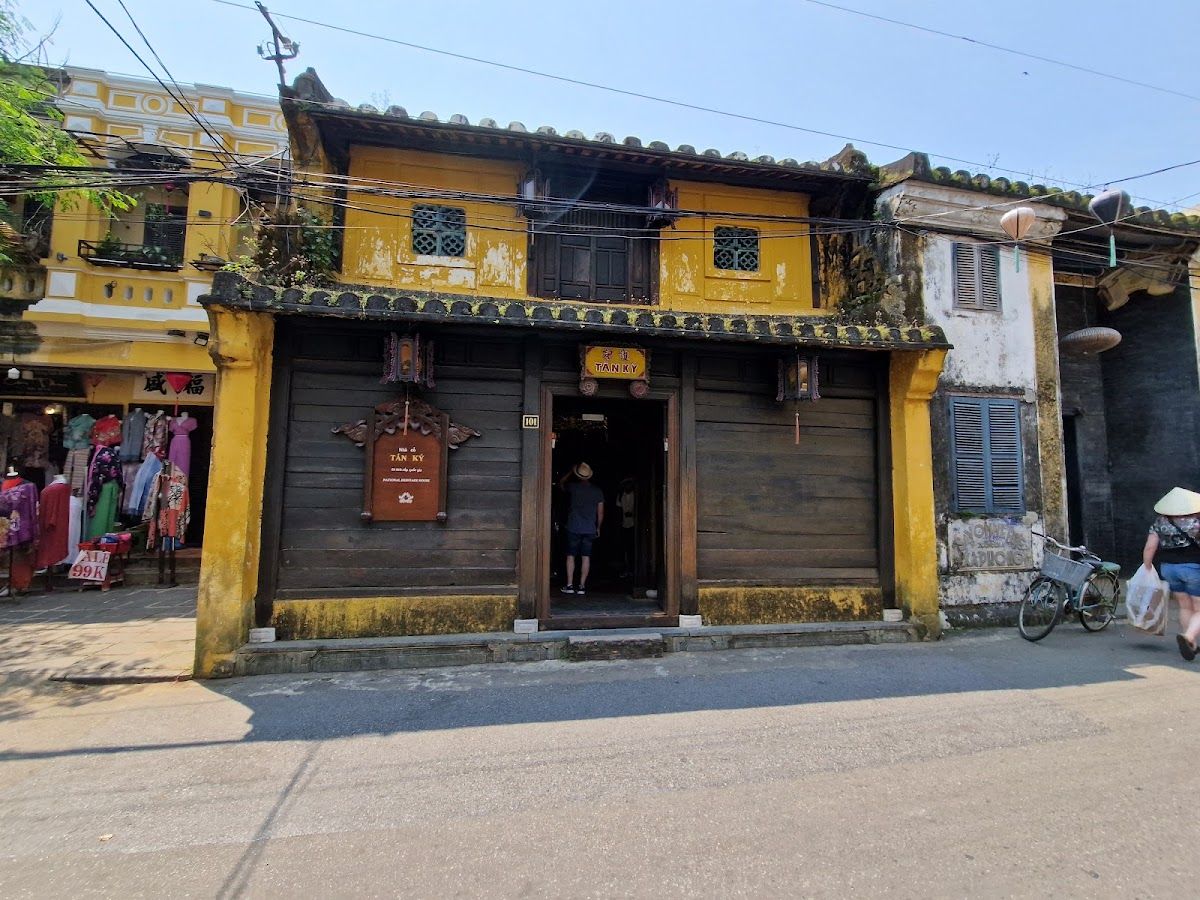
The ancient town is genuinely well-preserved. Yellow-walled merchant houses, the Japanese Covered Bridge, Chinese assembly halls, tailors operating out of centuries-old shop-houses. In the mornings before the tour groups arrive, it’s quiet enough to hear bicycles on the lane stones. By midday it fills up. By evening the restaurants are packed and the river walk is lit up.

Two things stand out above everything else: the food and the tailors.
The food is particular to Hoi An — cao lau (a thick noodle dish made with water from a specific local well, which apparently does affect the texture), white rose dumplings, fresh spring rolls, bánh mì from the stalls near the market. The quality is high and prices are honest once you step a block back from the main tourist restaurants. See Da Nang food guide for broader regional context.
Tailors can produce a shirt in 24 hours, a suit in 48. Quality varies — ask to see previous work, be specific about what you want, and show up for both fittings. Rushing the process is how you end up with something that fits badly. Prices depend heavily on what you’re having made and which shop; negotiating is standard.
The full moon
On the evening before each full moon, Hoi An turns off its electric lights and the old town runs on lanterns and candles. Paper lanterns are sold for the river — floating them is the tradition, though the plastic ones create litter and the better operators now use biodegradable versions. It’s worth timing your visit around a full moon if you can. It also draws the month’s largest crowds, so book accommodation ahead.
Staying in Hoi An vs Da Nang
Stay in Hoi An if: you have at least two nights to spare, you want the old town at dawn and dusk, you’d rather cycle to the beach than to everything else, and a slower pace sounds like the point rather than a compromise.
Stay in Da Nang if: you’re flying in and out (Hoi An has no airport), you’re here primarily for Ba Na Hills and beach-hopping, or you want to use the city as a hub for multiple day trips including Hoi An.
If you have five or more days in the region, split your time. Two nights in Hoi An is a minimum to actually feel the pace rather than just tick the sights. For the full breakdown, read where to stay in Da Nang.
Accommodation
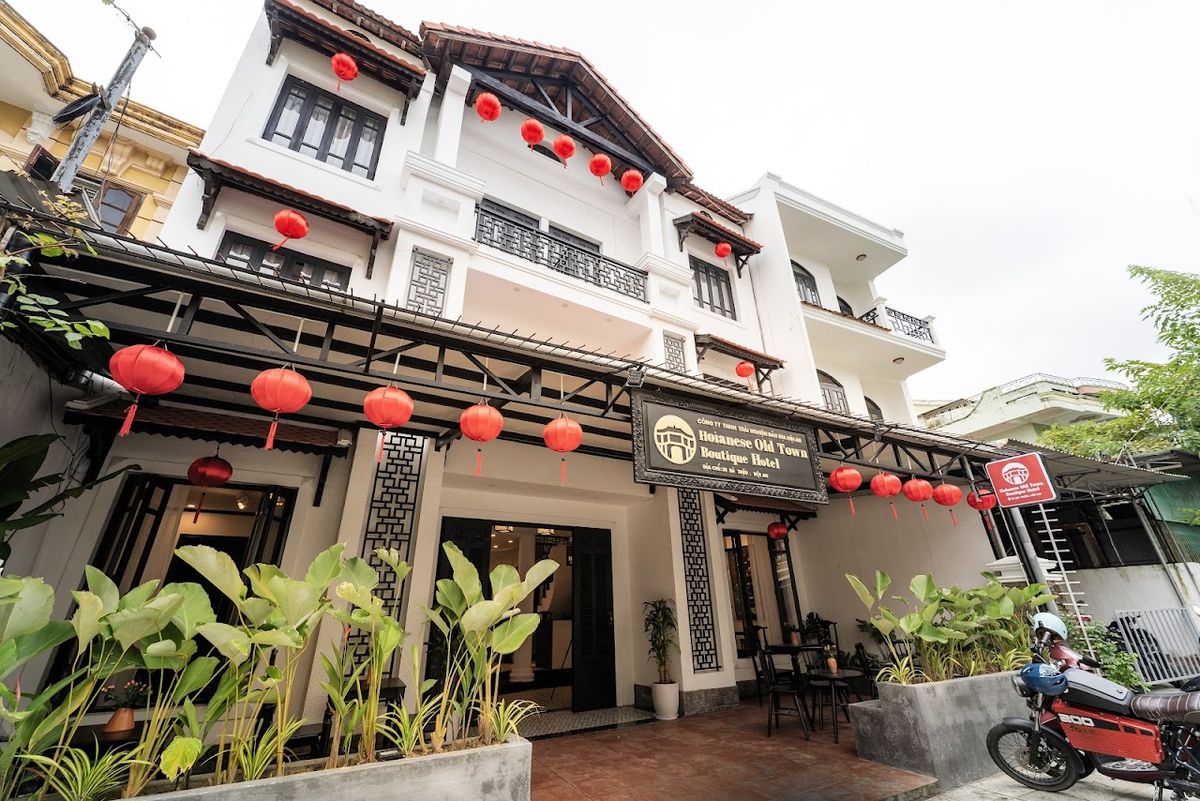
Options range from budget guesthouses (₫350,000–600,000/night) to boutique hotels along the river and surrounding streets (₫1,500,000–4,000,000/night). Heritage restrictions limit accommodation inside the old town core itself; most hotels sit in the streets immediately surrounding it — still walkable to everything. Book well ahead for full moon weekends; they sell out.
Check hotels for current listings.
Getting between Hoi An and Da Nang
Grab car: ₫200,000–250,000, around 40–45 minutes. Local public bus: slower at 60–80 minutes, around ₫50,000–80,000. Motorbike rental (₫120,000–150,000/day) makes the coastal route between the two cities a good option — the scenery is worth it and the road is manageable.
See getting around Da Nang for full transport options including day trip logistics.
What’s nearby
An Bang Beach is 4km east — flat cycling through rice paddies and quiet village lanes, 15 minutes by bike. The Marble Mountains are 20 minutes north by Grab (see Marble Mountains guide). My Son Sanctuary (Cham temple ruins, a UNESCO site) is about 45 minutes south-west — worth a half-day. For ideas beyond the old town, see day trips from Da Nang.
For the full visit breakdown — which heritage sites to prioritise, where to eat, the best streets for tailors — read Hoi An old town guide.