

Da Nang’s accommodation splits into five clear zones. Each has a different feel, a different price point, and suits a different type of trip. Pick the wrong zone and you’re spending half your holiday in a Grab; pick the right one and you’re walking to breakfast.
Quick facts
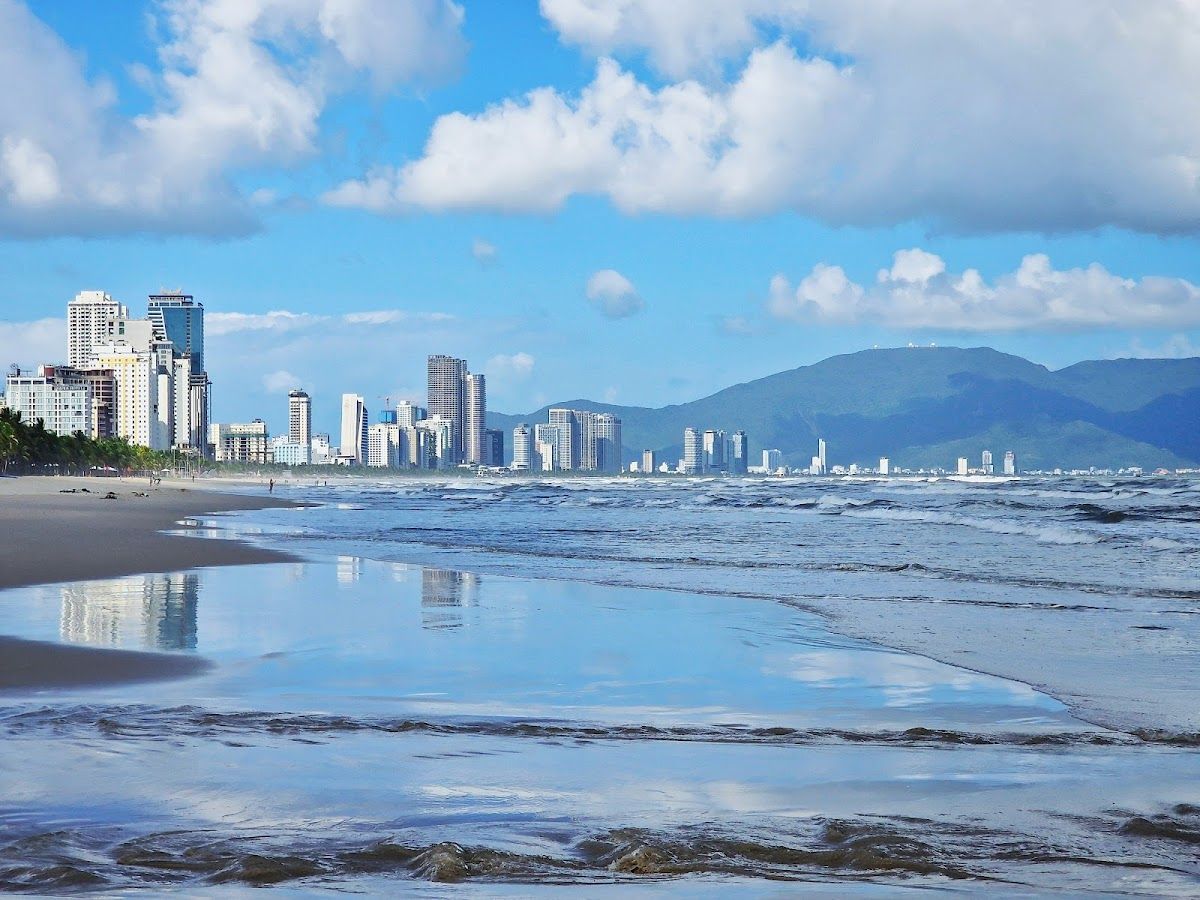
- My Khe beach strip — best all-rounder. Beach outside the door, good mid-range options, easy reach of the city. Most visitors stay here, and it’s usually the right call.
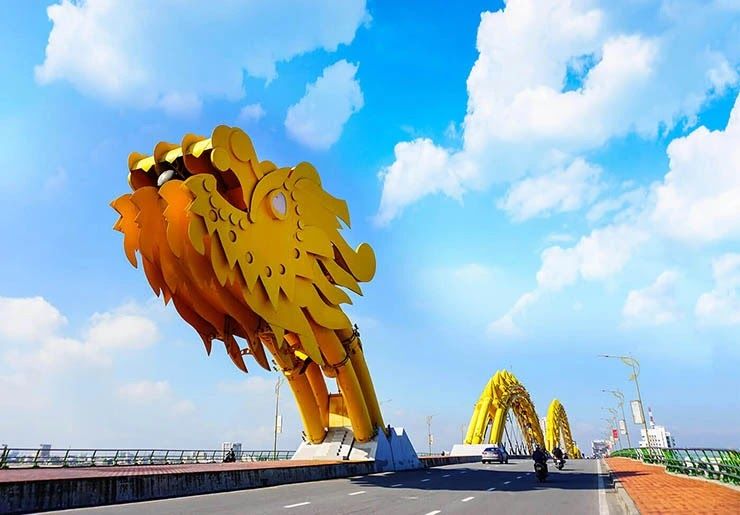
- City centre / Han River — best for city-focused travel, Dragon Bridge access, and local markets. Noticeably cheaper than the beach strip.
- Son Tra Peninsula — ultra-luxury only. Quiet, forested, away from everything. Only makes sense if you’re booking an InterContinental or Marriott.
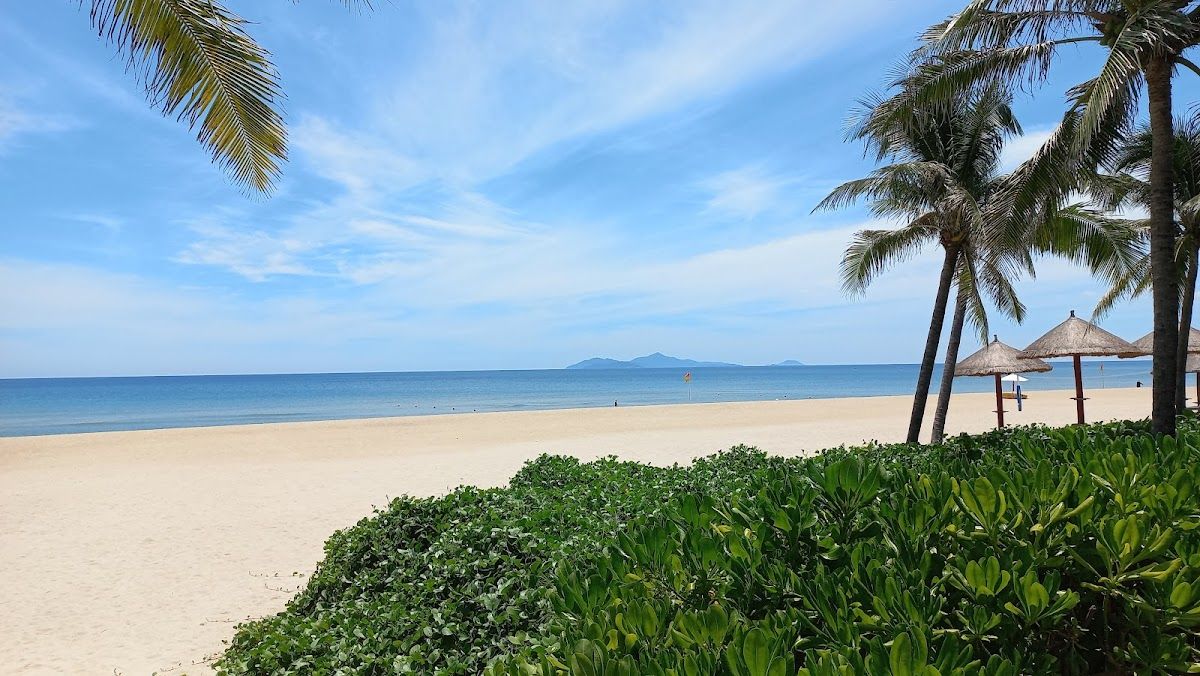
- Non Nuoc (south) — full-compound resorts near the Marble Mountains. Quieter beach, calm water, farther from the city.
- Hoi An / An Bang — the alternative base. If Hoi An is your main focus, skip Da Nang accommodation entirely.
My Khe Beach Strip
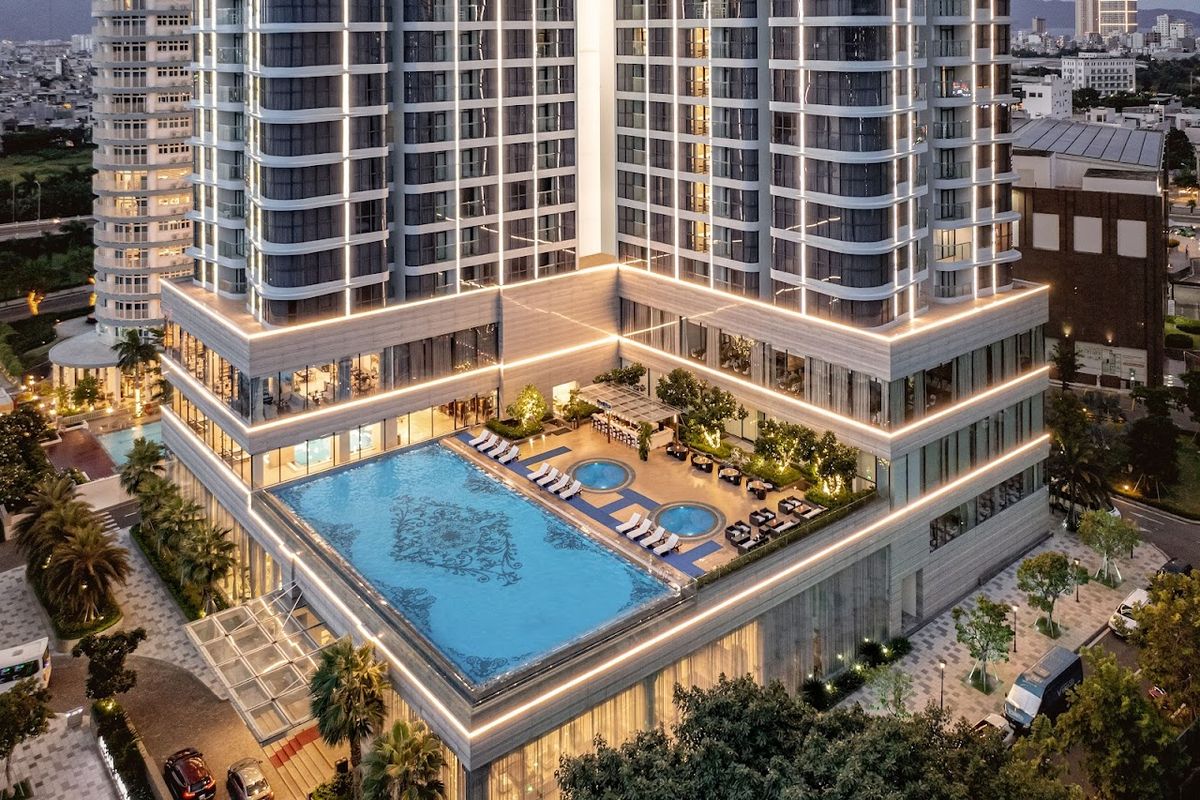
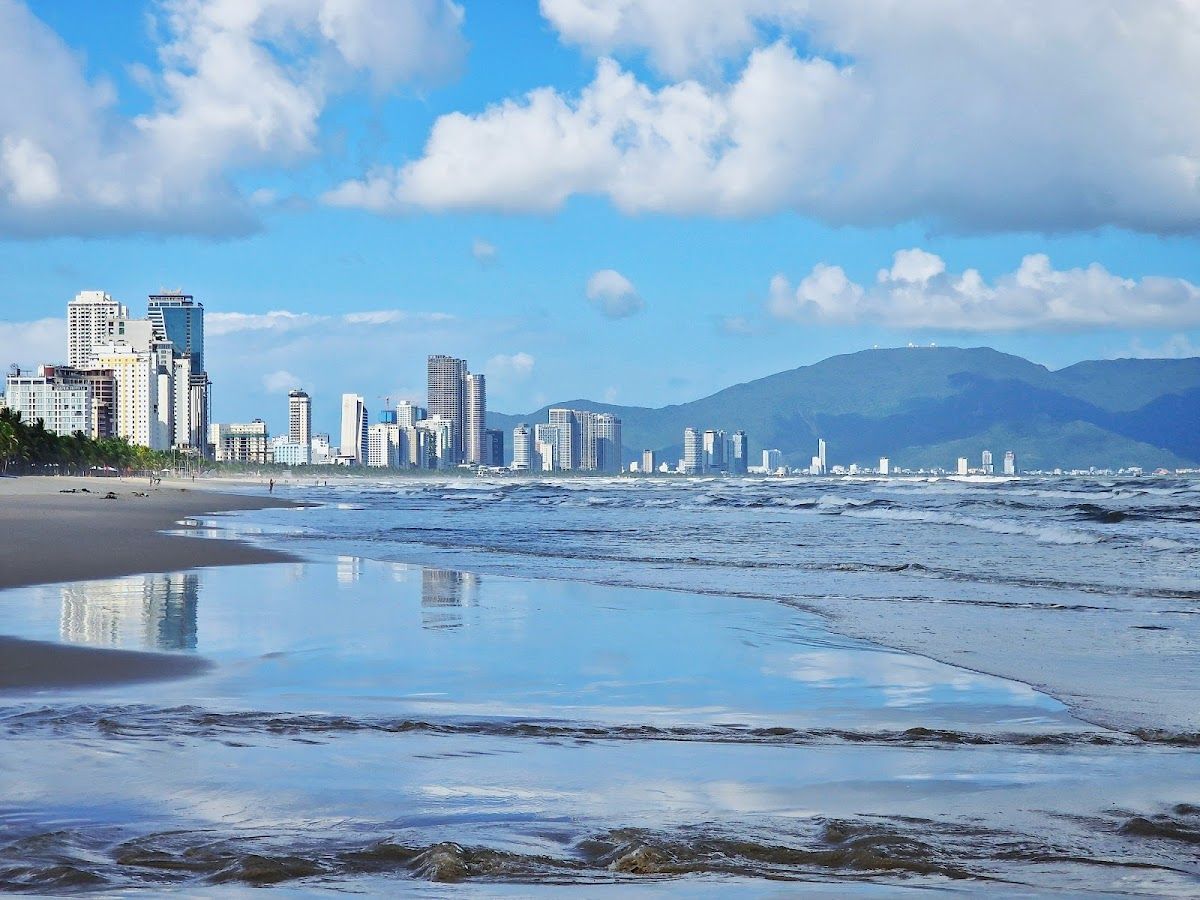
This is where most visitors stay, and there’s a good reason for it. My Khe’s main hotel zone sits along Vo Nguyen Giap Street in the northern section — two minutes’ walk from the sand, 15 minutes from Dragon Bridge, and close enough to local restaurants that you won’t be cab-dependent for dinner.
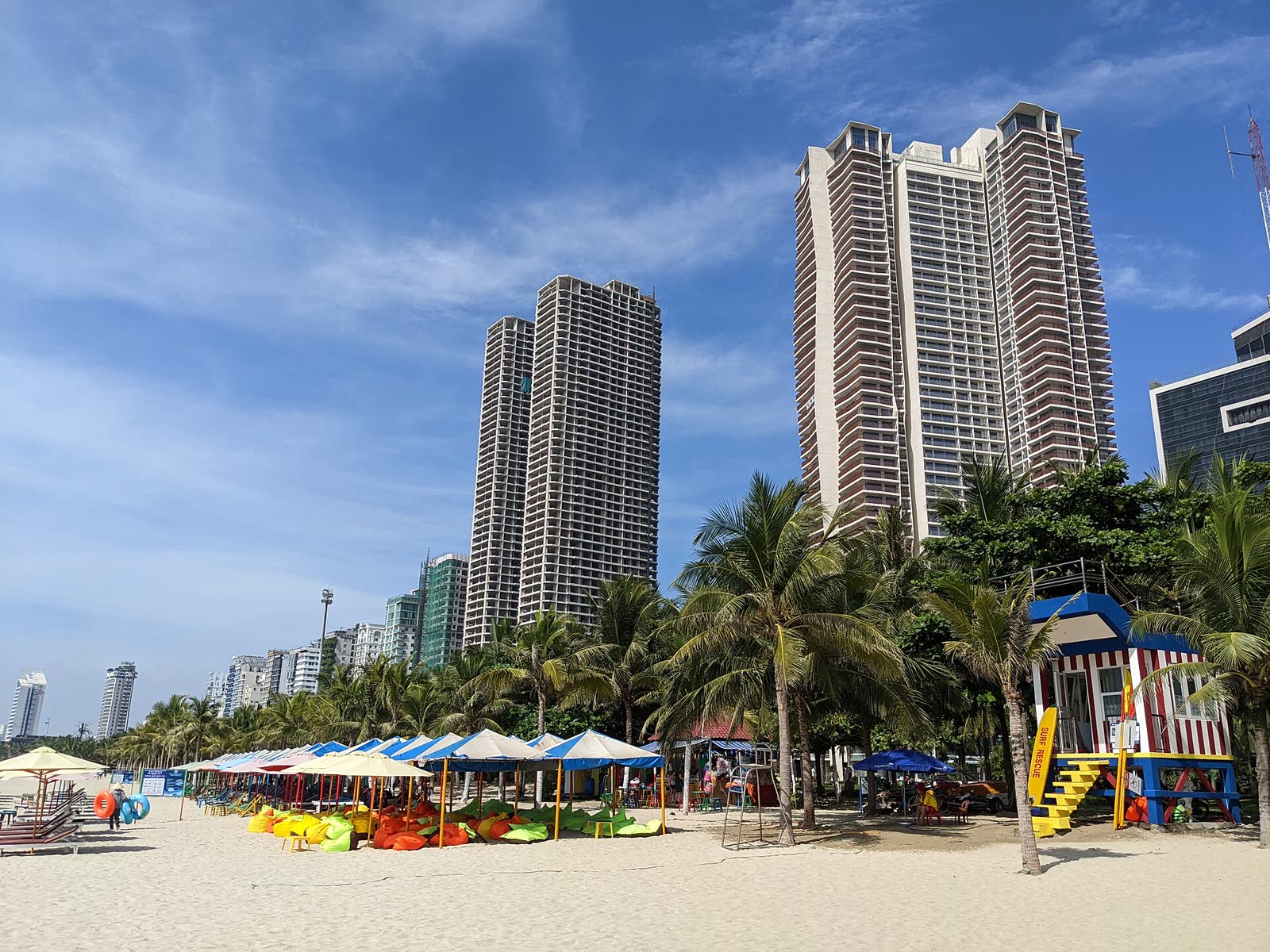
Who it suits: First-timers, couples, families who want beach access without going full resort. Anyone balancing beach time with city exploring.
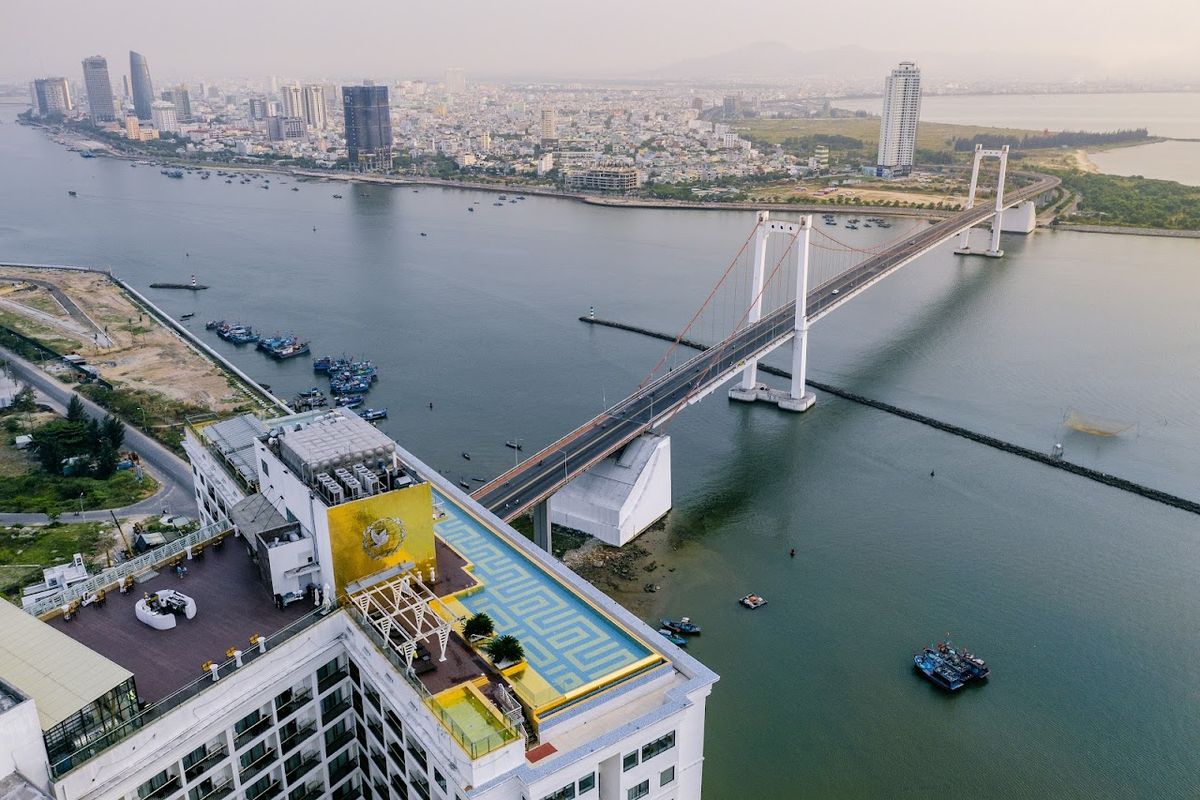
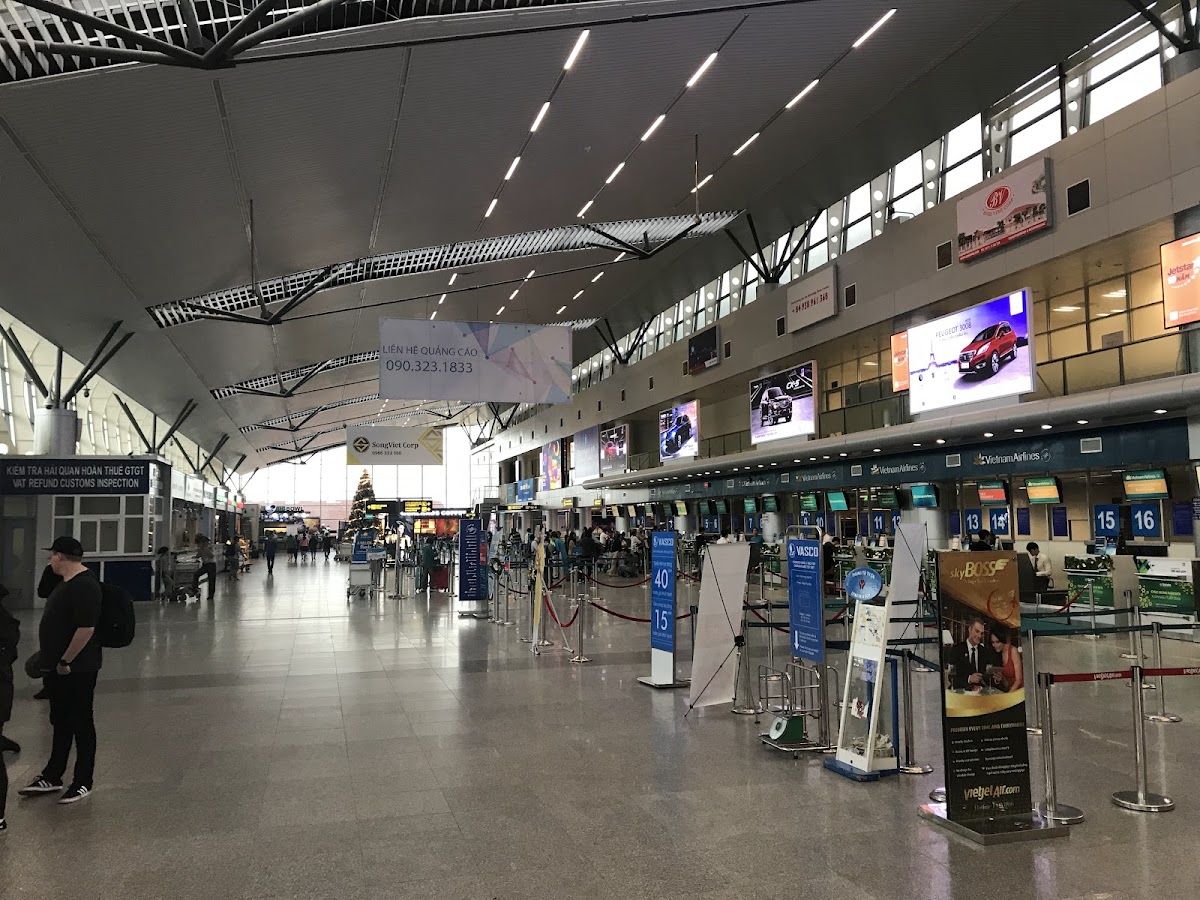
What you’ll pay: Guesthouses and budget hotels off the main strip start around ₫200,000–350,000 per night. Solid 3–4 star properties — Muong Thanh Luxury, Chicland, Adamo — run ₫1,200,000–2,500,000. A La Carte Beach Hotel, with its rooftop infinity pool, sits at ₫2,500,000–4,000,000 and earns it. Airport transfers are cheap: Da Nang International (DAD) is 3 km west, and a Grab car to the beach strip costs ₫70,000–100,000.
Pros: Everything is walkable or a short Grab. Good restaurant spread along the beachfront. Lifeguarded beach right outside. Easy airport access.
Cons: The most developed stretch of Da Nang’s coast. The strip has a hotel-and-bar character rather than a local neighbourhood feel. During June–August it’s genuinely busy. If you want quiet, this is not it.
Full area rundown: My Khe.
City Centre / Han River
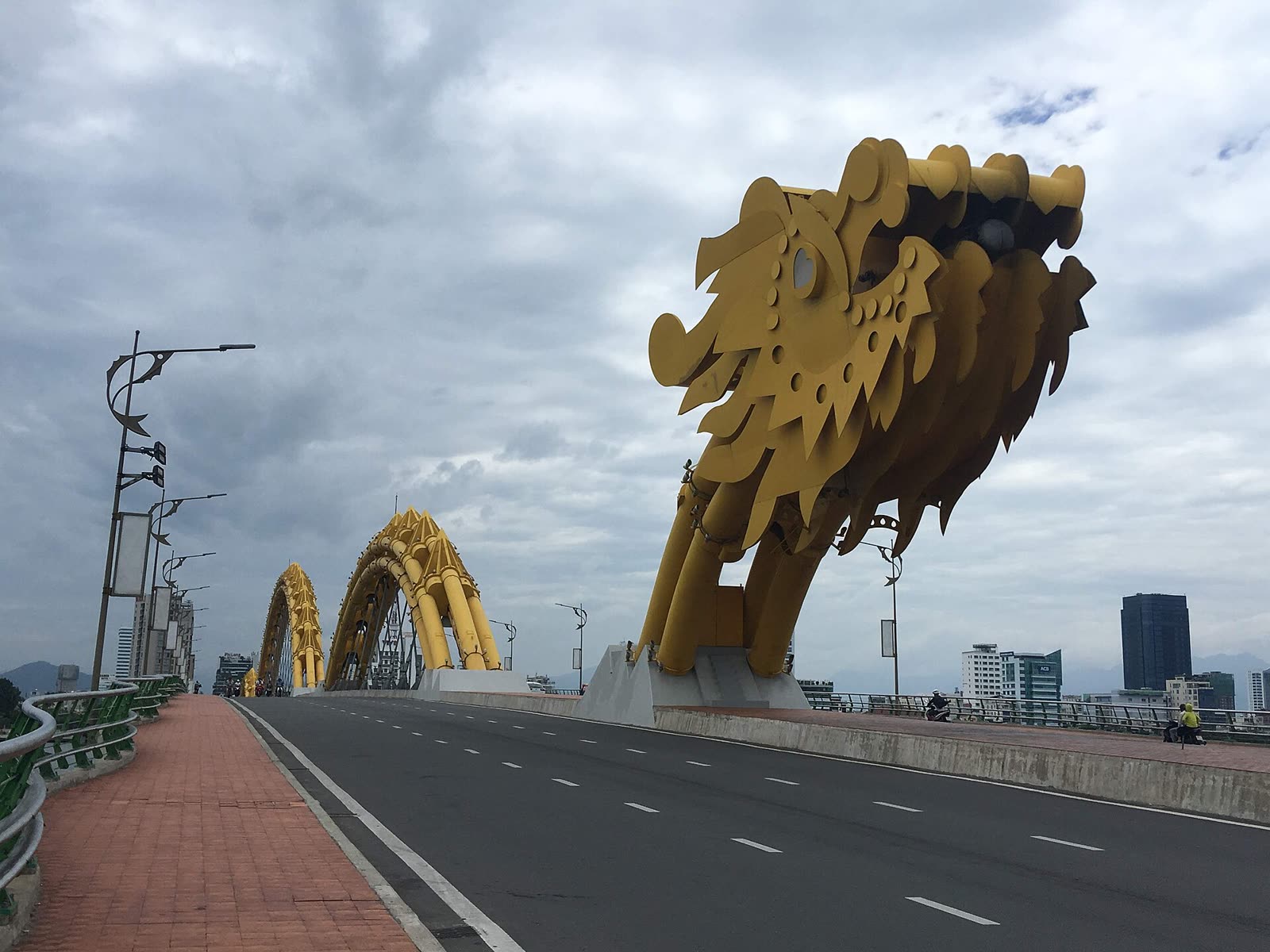
If your priorities are the Dragon Bridge, Han Market, the Cham Museum, and good local street food, the city centre earns its place. Hotels here are generally cheaper per room than equivalents on the beach strip — you’re trading the sand for the river and the city. My Khe is 15–20 minutes by Grab.
The Han River precinct along Bach Dang Street is good for an evening walk. Weekend night markets run on the riverfront. It’s the Da Nang that locals actually use.
Who it suits: City-focused travellers, budget travellers who aren’t prioritising beach time, short stopover stays.
What you’ll pay: Small boutique hotels on and near Bach Dang Street start from around ₫500,000–700,000 per night. A solid 3-star option in this zone costs ₫800,000–1,400,000 — noticeably less than the beach equivalent for the same quality room.
Pros: Cheaper. Close to local food, markets, and the Cham Museum (one of the better museums in central Vietnam). The river is pleasant at night. More authentic city feel.
Cons: No beach within walking distance — you’ll Grab to My Khe for every beach day. The city centre is louder than the beach strip, particularly on weekend nights.
Son Tra Peninsula
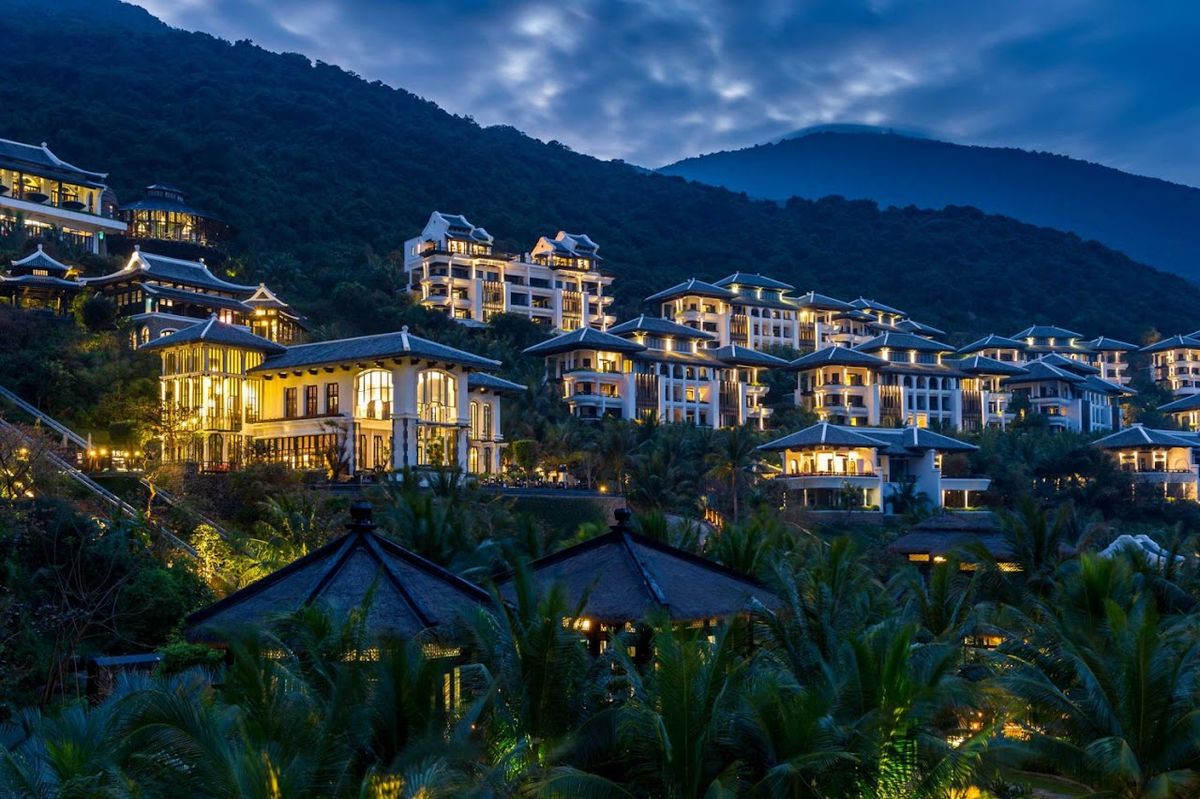
Son Tra is the forested peninsula north of My Khe, most of which is a protected nature reserve. It’s home to the red-shanked douc langur — a striking primate — and some of Da Nang’s most expensive resorts: InterContinental Sun Peninsula, Marriott, and TIA Wellness among them. These properties sit in private coves cut into the hillside.
Who it suits: Honeymooners. Guests doing a dedicated wellness or luxury stay. Anyone who wants to be away from the busy city beach and can afford the rates.
What you’ll pay: The major Son Tra properties start at around ₫4,500,000–6,000,000 per night and go considerably higher. These are full-compound resorts: private beach coves, multiple pools, high-end spa facilities, in-house dining.
Pros: Exceptional setting — dense jungle meeting the sea. Genuinely quiet. The resorts are well-run and the grounds are impressive. Good if you’re content to mostly stay on-property.
Cons: Far from the rest of Da Nang in practical terms. Everything requires a car or resort shuttle. The peninsula road takes 20–30 minutes to reach the city from the upper properties. Worth it only if you’re planning a resort-centric stay.
Non Nuoc / South Da Nang
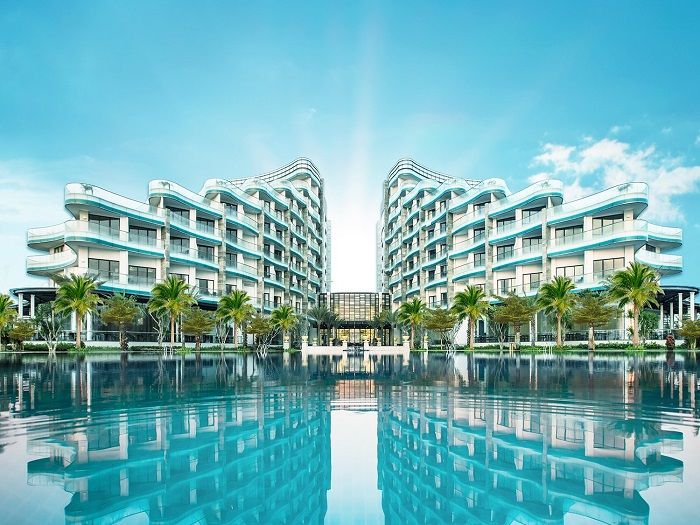
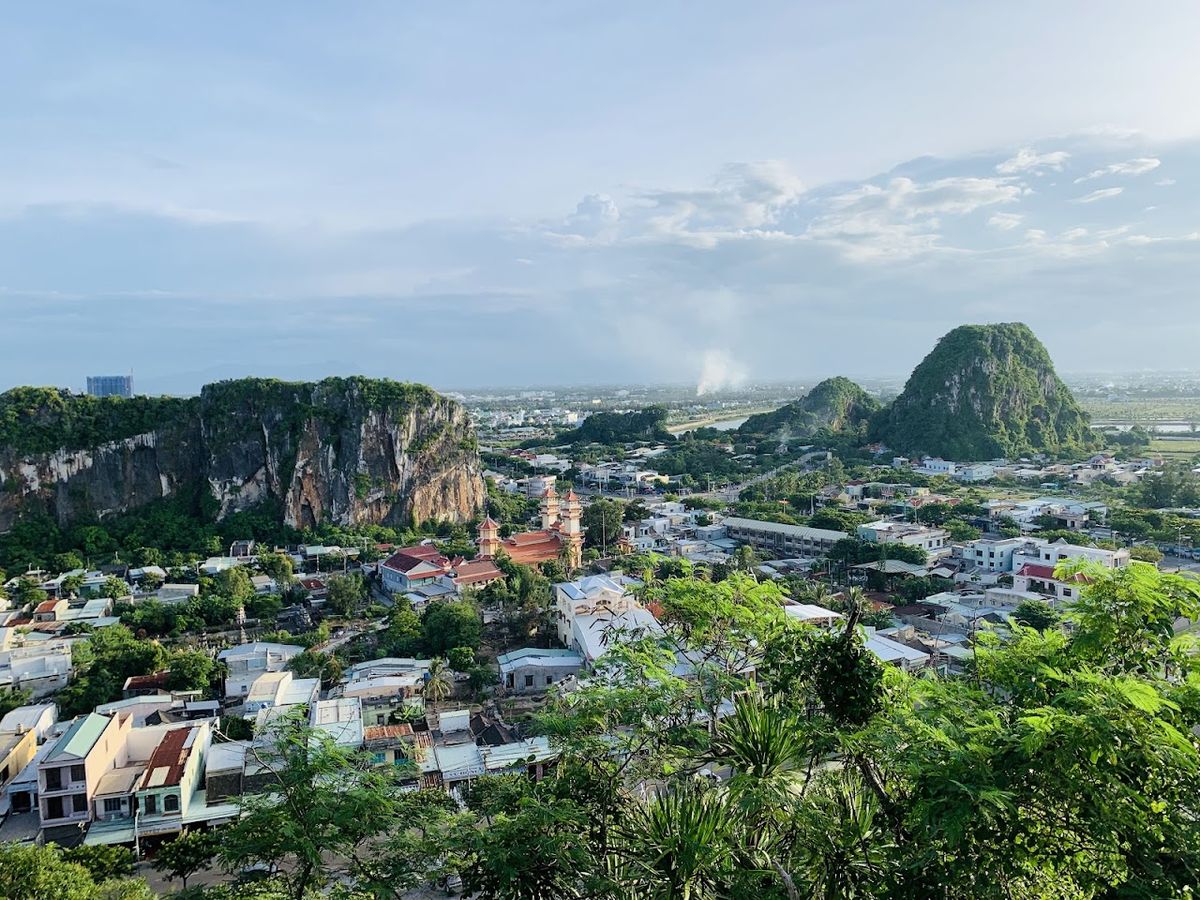
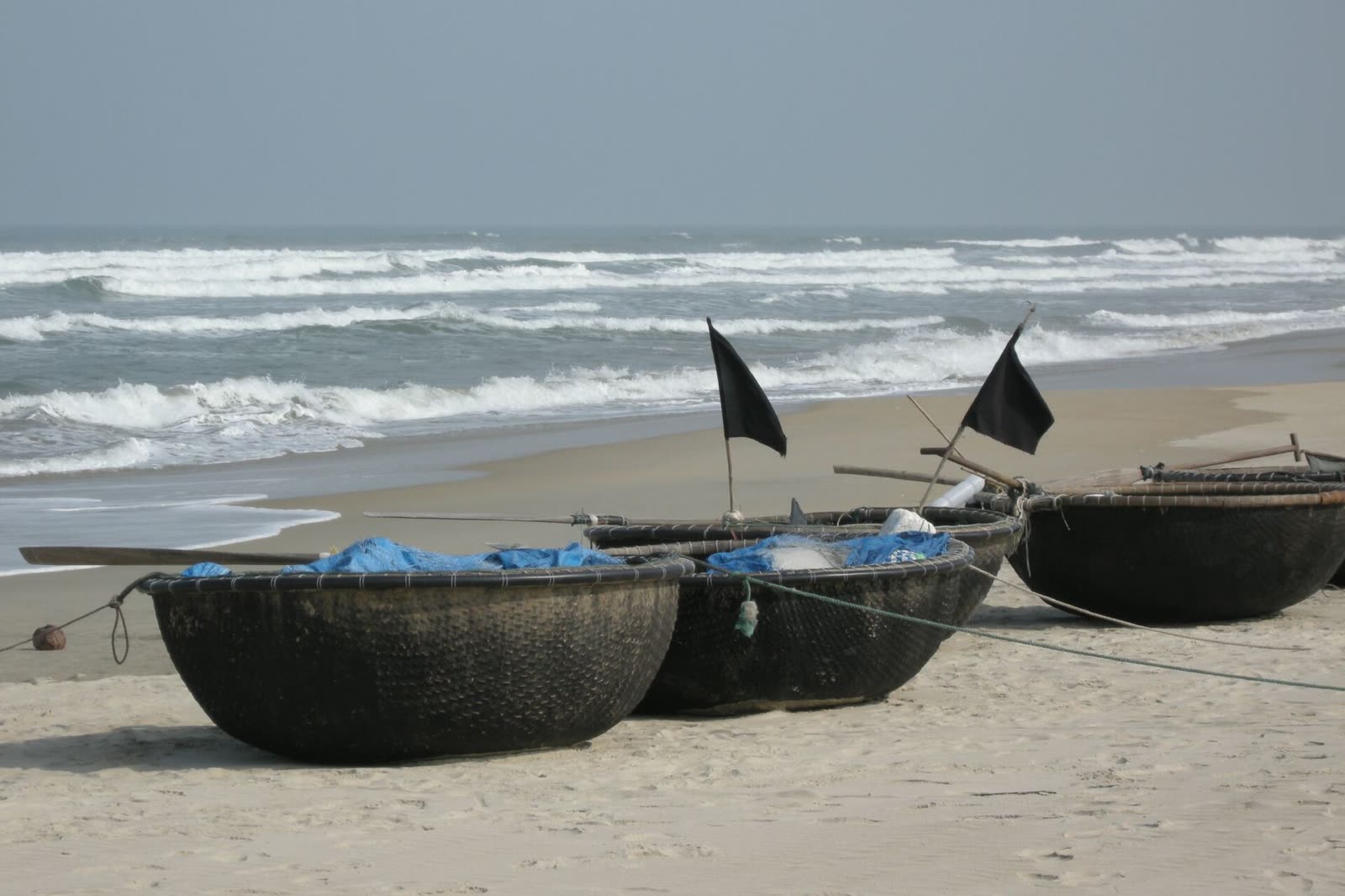
Non Nuoc sits at the southern end of Da Nang’s long beach arc, around 8 km from the city centre, beside the Marble Mountains. The resorts here — Furama, Pullman, Premier Village, Hyatt Regency — are proper full-service properties with large beachfronts. The beach is wider and calmer here than the northern My Khe strip, and the whole area feels quieter.
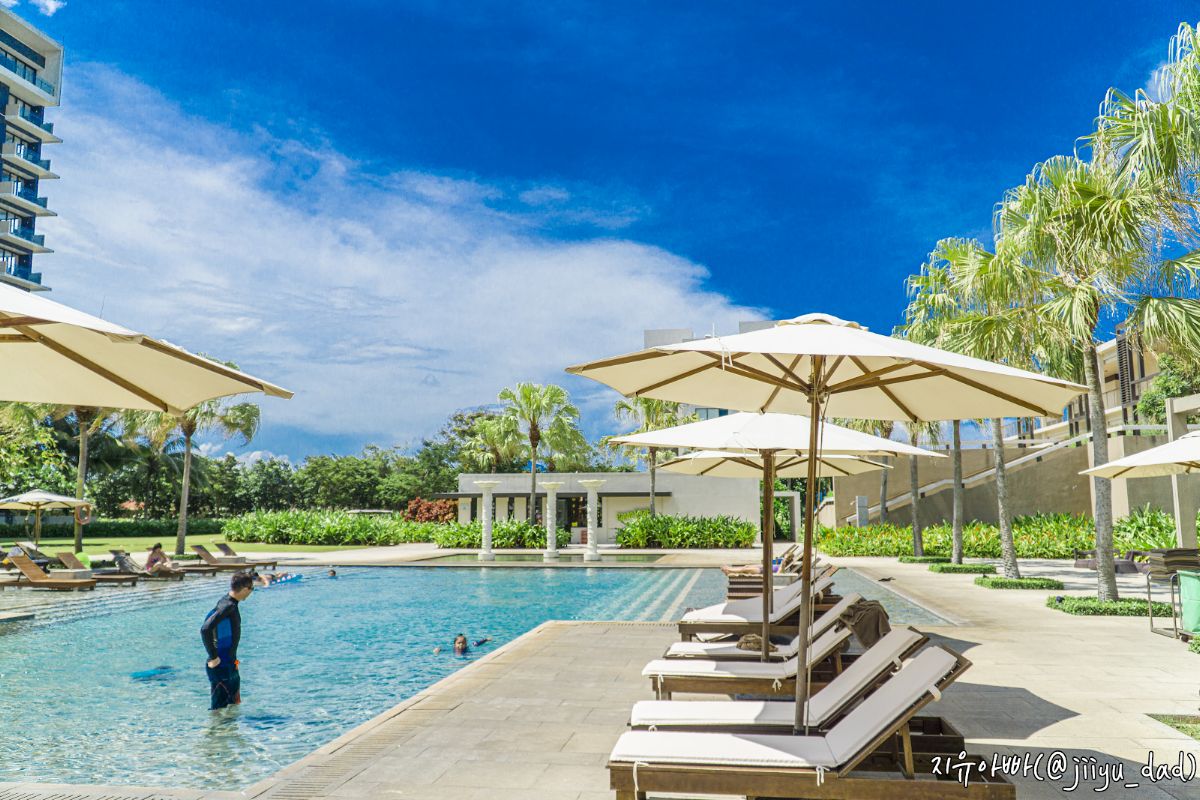
Who it suits: Families with young children (the resort facilities here are substantial — multiple pools, kids’ clubs, organised activities). Couples doing longer stays. Anyone combining beach time with the Marble Mountains and Hoi An day trips.
What you’ll pay: The main Non Nuoc resorts run ₫3,500,000–8,000,000 per night. Peak season (June–August) pushes rates higher. If you’re not staying at a resort here, public beach access exists but facilities are limited compared to My Khe.
Pros: Spacious resorts with room to spread out. Calmer water than the northern strip. Good position — 15 minutes from the Marble Mountains, roughly 40 minutes from Hoi An Ancient Town.
Cons: Not walkable to much beyond the resort grounds. The city centre is a ₫100,000–150,000 Grab. The area is quiet, which is either a strength or a weakness depending on what you want.
Hoi An and An Bang: The Alternative Base
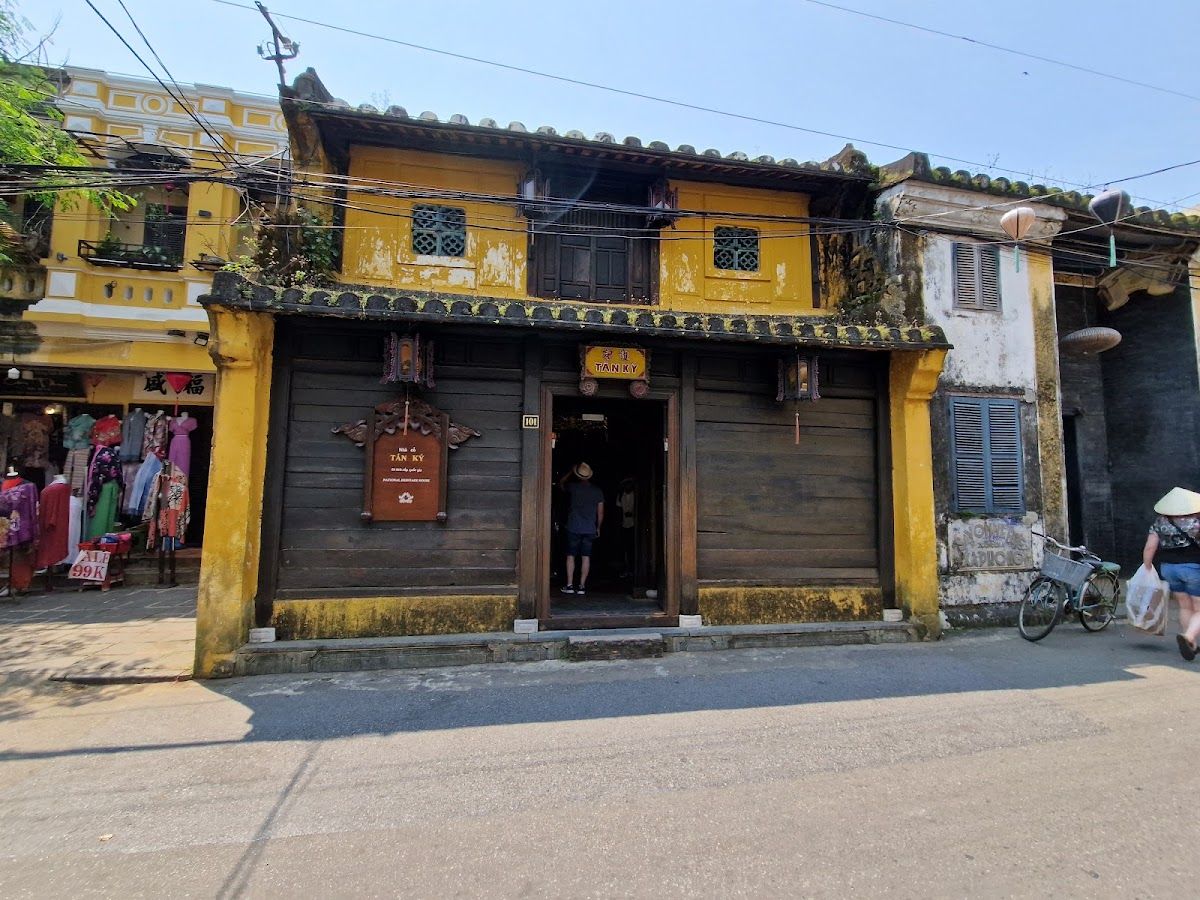
Worth saying clearly: if your trip is primarily Hoi An — the Ancient Town, the tailors, the local food — you do not need to base yourself in Da Nang. Hoi An is 30 km south and has excellent accommodation across every price point, from simple guesthouses to boutique river-view properties.
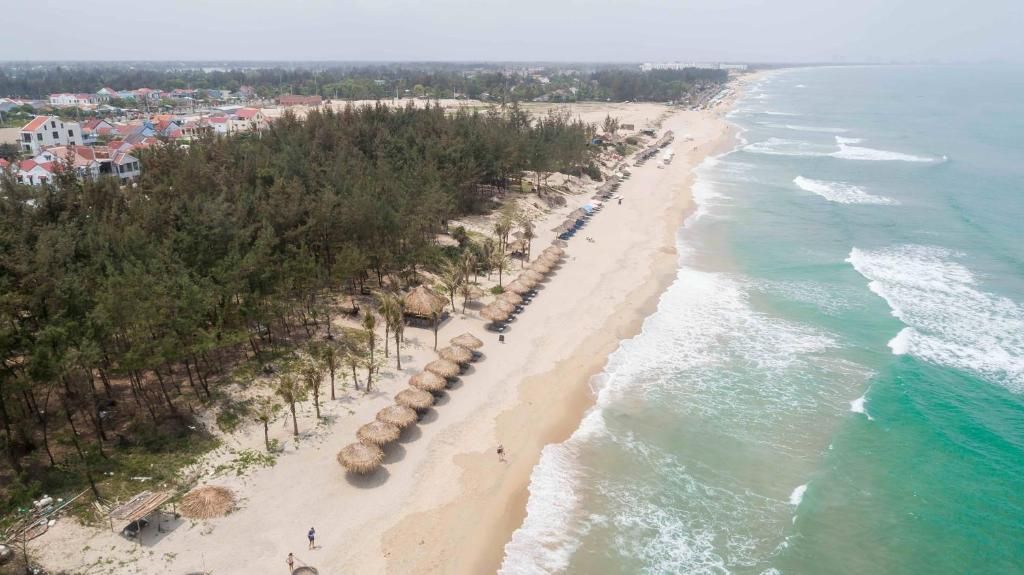
An Bang Beach sits 4 km from the Ancient Town: a short cycle or a ₫40,000–60,000 Grab. The beach has good café culture, sun beds free with a food order, and a relaxed atmosphere quite different from My Khe. If your picture of a beach day involves a long lunch at a café table rather than a busy city beach, An Bang wins easily.
Who it suits: Slow travellers, those prioritising Hoi An over Da Nang sights, couples wanting a quieter town feel.
What you’ll pay: Hoi An has good mid-range value. Boutique guesthouses in and around the old town run ₫600,000–1,800,000 per night for a good room. Riverside properties with more style sit at ₫2,000,000–4,500,000. Homestays outside the immediate old town go lower.
Pros: You wake up in Hoi An, which is by most measures the more interesting town. Good access to both the Ancient Town and a low-key beach. Da Nang day trips are easy by Grab or rented scooter.
Cons: Farther from Da Nang airport. Early flights into or out of DAD are inconvenient from here — the transfer is 30–45 minutes. Ba Na Hills, Son Tra, and the Dragon Bridge all require more travel time from an Hoi An base.
Hoi An area detail: Hoi An. Beach detail: An Bang.
Quick comparison
| Area | Price range / night | Best for |
|---|---|---|
| My Khe | ₫200k–₫4,000k | Most visitors, beach + city balance |
| City Centre | ₫500k–₫1,500k | Budget, city focus |
| Son Tra | ₫4,500k–₫8,000k+ | Luxury, wellness retreats |
| Non Nuoc | ₫3,500k–₫8,000k | Families, resort stays |
| Hoi An / An Bang | ₫600k–₫4,500k | Hoi An-focused trips |
Booking notes
Book 3–4 weeks ahead for the June–August peak season. The My Khe strip sells out at the mid-range tier, and prices rise sharply closer to arrival. Outside peak, rates drop considerably — September and October are cheap but the weather is unreliable (wet season). The February–May window is the sweet spot: dry, warm, fewer crowds, good prices.
For a full hotel search across all Da Nang zones, /hotels/ has current availability and prices. Narrower lists: beachfront hotels, Non Nuoc beach resorts, luxury resorts, family resorts and cheap hotels. The Da Nang versus Hoi An decision is in where to base the trip.
For planning around seasons, the 3-day Da Nang itinerary covers what to prioritise with limited time.
FAQ
Where should a first visit stay?
My Khe. You can walk to the beach, and a Grab reaches the Dragon Bridge, the Marble Mountains and the airport without a long ride. Move to the Han River only if the beach is not the point of the trip.
Which area is best with children?
Non Nuoc. The water is calmer than the northern My Khe strip, and the big resorts have kids’ clubs and several pools. The trade-off is that the city is a Grab away. The family resort guide names the properties.
Should I stay in Da Nang or Hoi An?
Stay in Da Nang if the beach, Ba Na Hills and the city are the trip. Stay in Hoi An if the Ancient Town and An Bang are the trip. The two are 30 km apart, so a day in the other direction is easy either way.