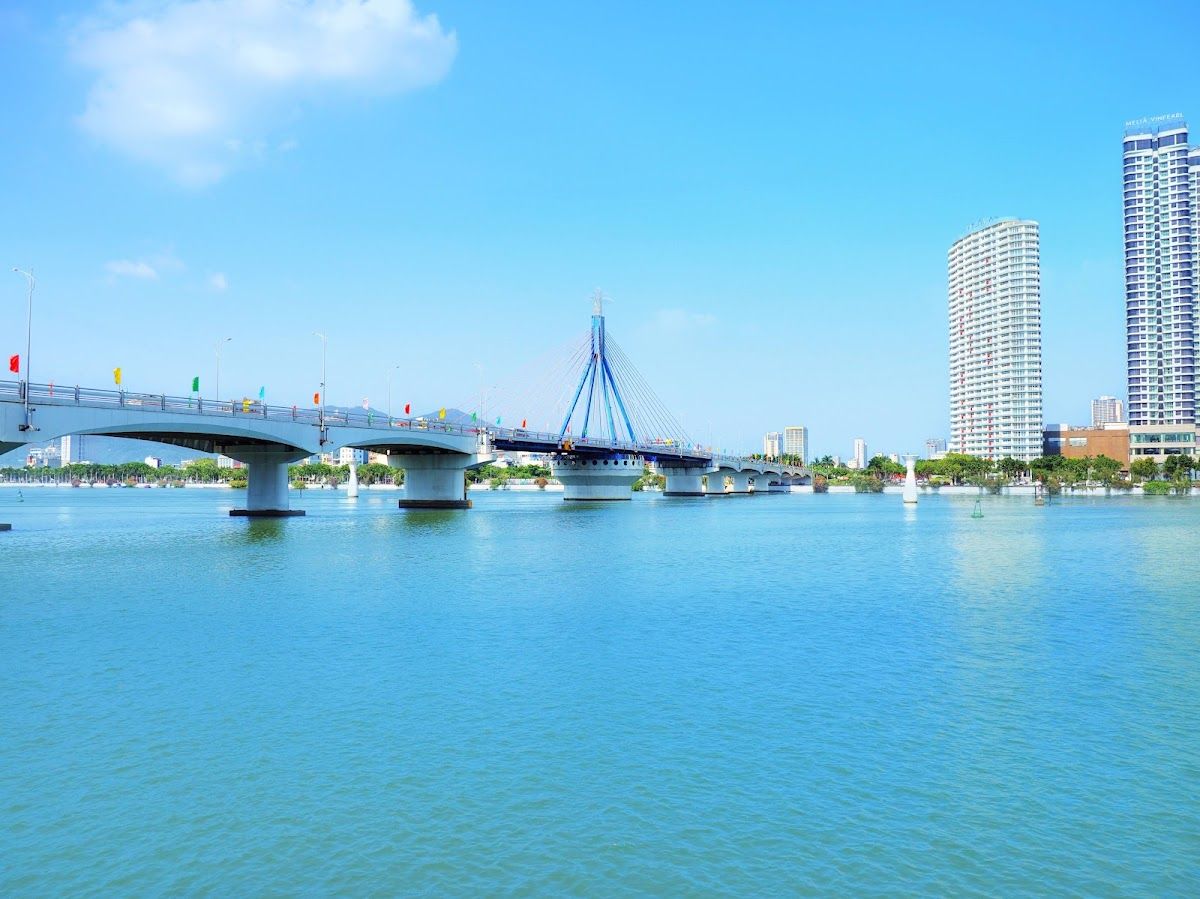

Three days in Da Nang is a workable amount of time. You can cover the main sights without racing between them, add a Hoi An day trip, and still have time to sit on the beach.
The biggest planning decision is Day 2. Ba Na Hills is a full day and should not be combined with anything else. The Marble Mountains and Son Tra together are a more relaxed option that leaves room for a beach afternoon. Both are covered below — choose based on your energy level and whether you’ve already seen the Golden Bridge.
Quick facts
- Day 1: Han Market → city walk → My Khe Beach → Dragon Bridge fire show (9 pm)
- Day 2 (Option A): Ba Na Hills full day — start early, back by 4–5 pm
- Day 2 (Option B): Marble Mountains morning → Son Tra / Linh Ung Pagoda afternoon → beach sunset
- Day 3: Hoi An old town morning → An Bang Beach afternoon → back to Da Nang for dinner
Day 1: Da Nang City, Beach, and the Dragon Bridge
Morning — Han Market and city centre (7:30–10:30 am)
Start at Cho Han (Han Market) before the heat picks up. The market opens early and the ground floor produce stalls — fish, fresh herbs, tropical fruit — are worth walking through even if you don’t buy. Grab a banh mi or a bowl of mi quang from one of the stalls near the edges. The city’s version of mi quang uses turmeric-yellow noodles in a reduced broth with pork and herbs; it’s different from what you’ll find in Hoi An.
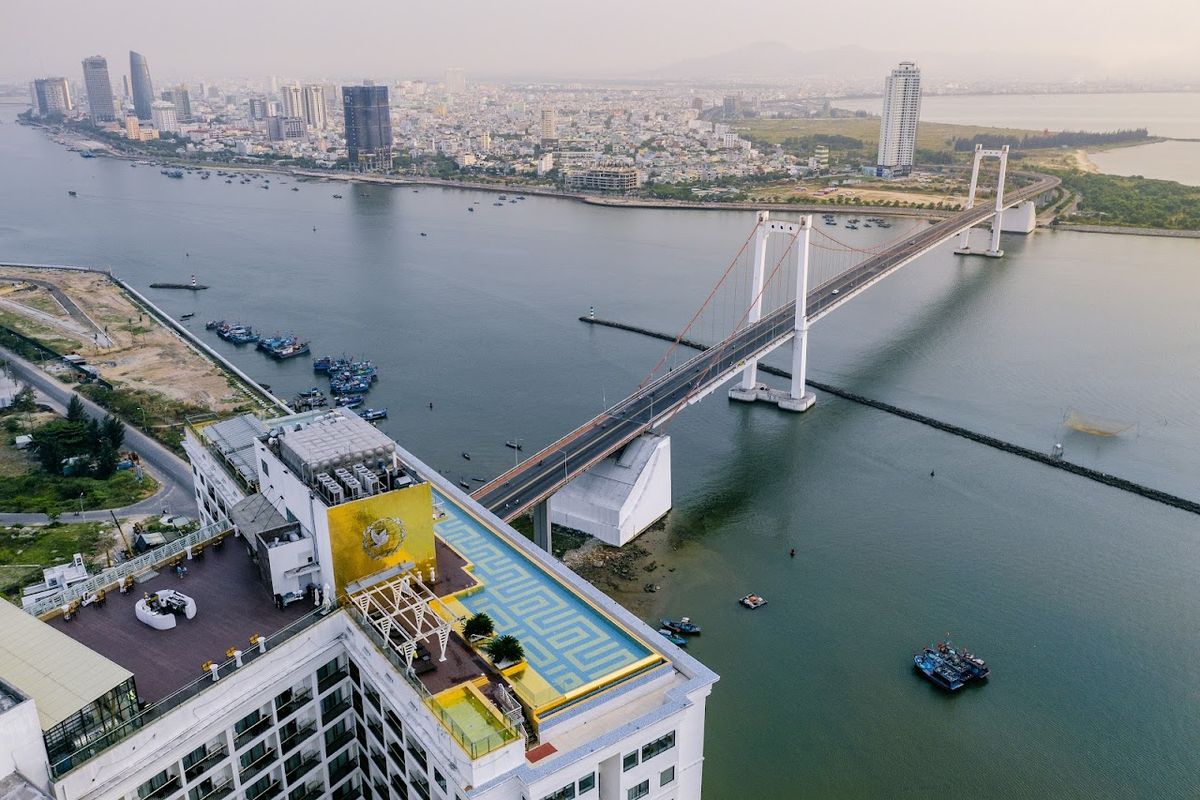
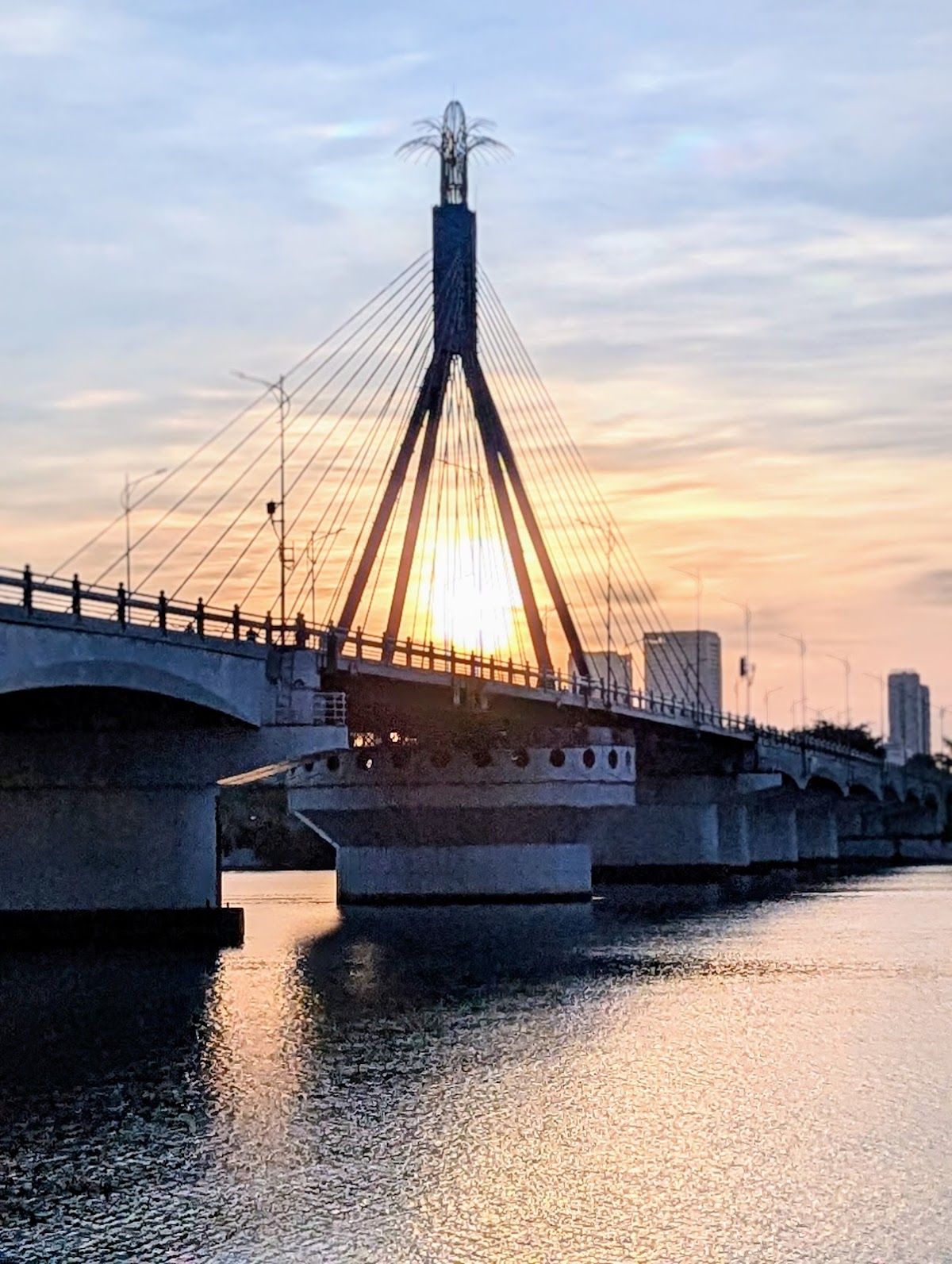
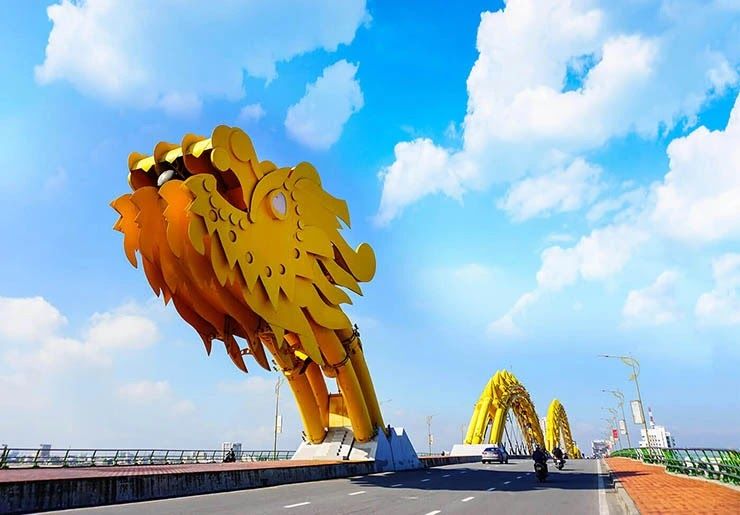
From the market, walk south along Bach Dang Street beside the Han River. This is the city’s main waterfront promenade — a 10-minute walk takes you past the Dragon Bridge. It doesn’t look like much in daylight, but you will come back tonight.
The neighbourhood around the river is good for coffee. Cafes are plentiful, most open by 7 am, and the Vietnamese iced coffee (ca phe sua da) is worth making a habit of.
Afternoon — My Khe Beach (11 am–4 pm)
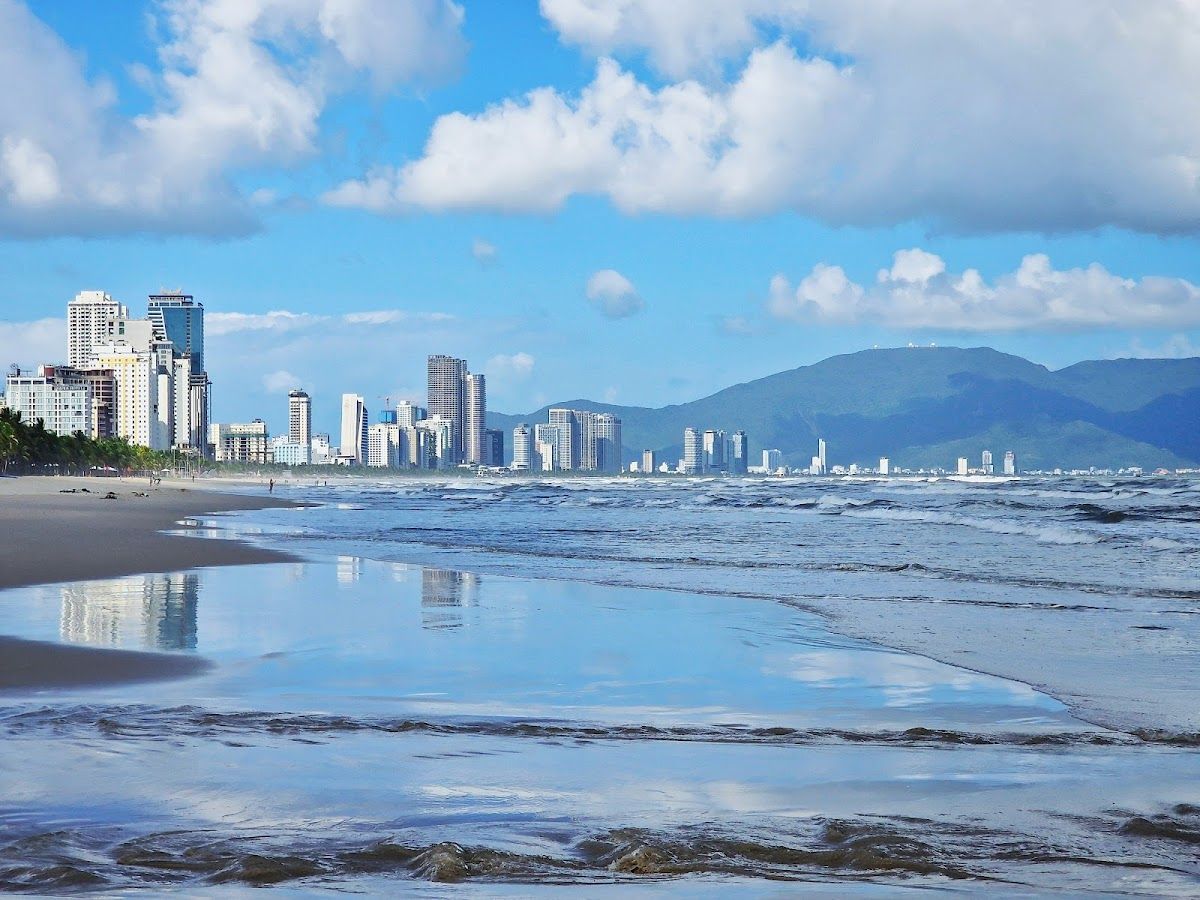
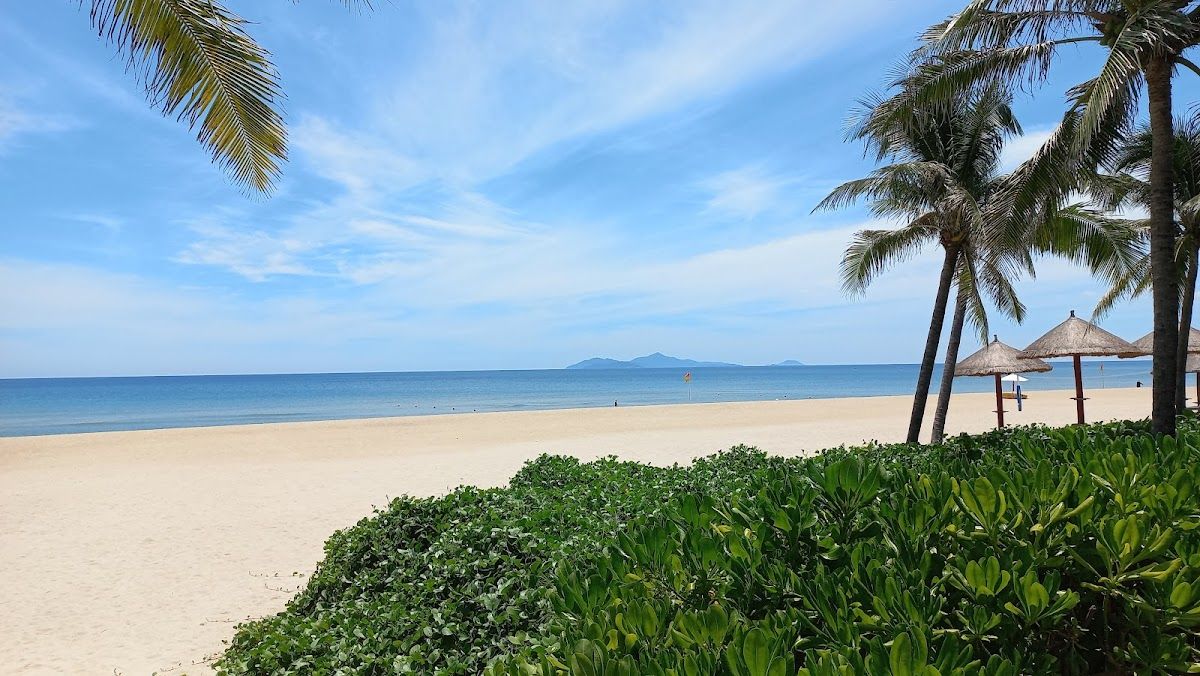
Grab from the river to My Khe Beach takes about 10–15 minutes, ₫30,000–₫50,000 depending on exact location. The beach is wide, the water is clean, and during February to August the swimming is good. Pick a spot, hire a beach umbrella and chairs from a nearby bar (₫30,000–₫50,000), and stay for a few hours.
If you’re hungry, the beach strip has seafood restaurants where you point at what you want and it’s grilled in front of you. Pricing is by weight — ask before ordering if you’re watching costs.
Sunset at My Khe faces east, so the light on the water is better in the early evening than at sunset itself. Head back toward the river before 8 pm.
Evening — Dragon Bridge fire show (8 pm–9:30 pm)
Walk or take a short Grab to Bach Dang Street and pick a position on the riverbank by 8:15–8:30 pm. The show starts at 9 pm sharp — dragon head breathes fire for a couple of minutes, switches to a sustained water spray, cycles back and forth for about 15 minutes. It’s free and it’s worth watching.
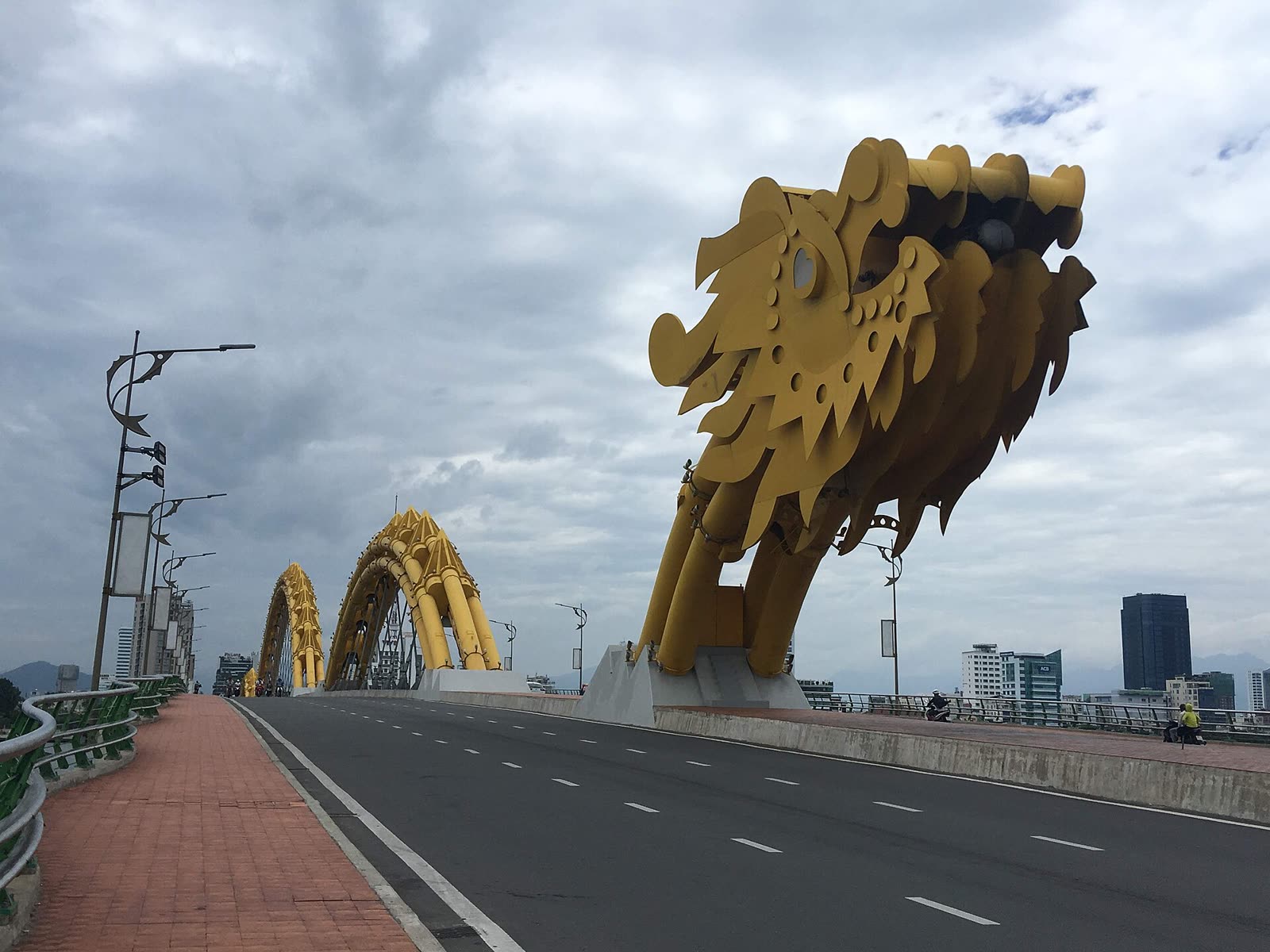
After the show, the river area has food stalls open late. Mi quang and bun cha ca (Da Nang fish cake noodle soup) are both good options for late dinner.
Day 2 (Option A): Ba Na Hills Full Day
7:30 am departure
This is a full day. Leave your hotel no later than 7:30 am. Ba Na Hills is roughly 30 km from the city on a mountain road — arrange your transfer the night before. A private return car from central Da Nang to the Ba Na Hills entrance runs in the region of ₫300,000–₫400,000 each way (confirm the price before you book; Grab does not reliably cover the mountain road). Shared tours include transfer and are sometimes comparable in price.
At the mountain (8 am–3 pm)
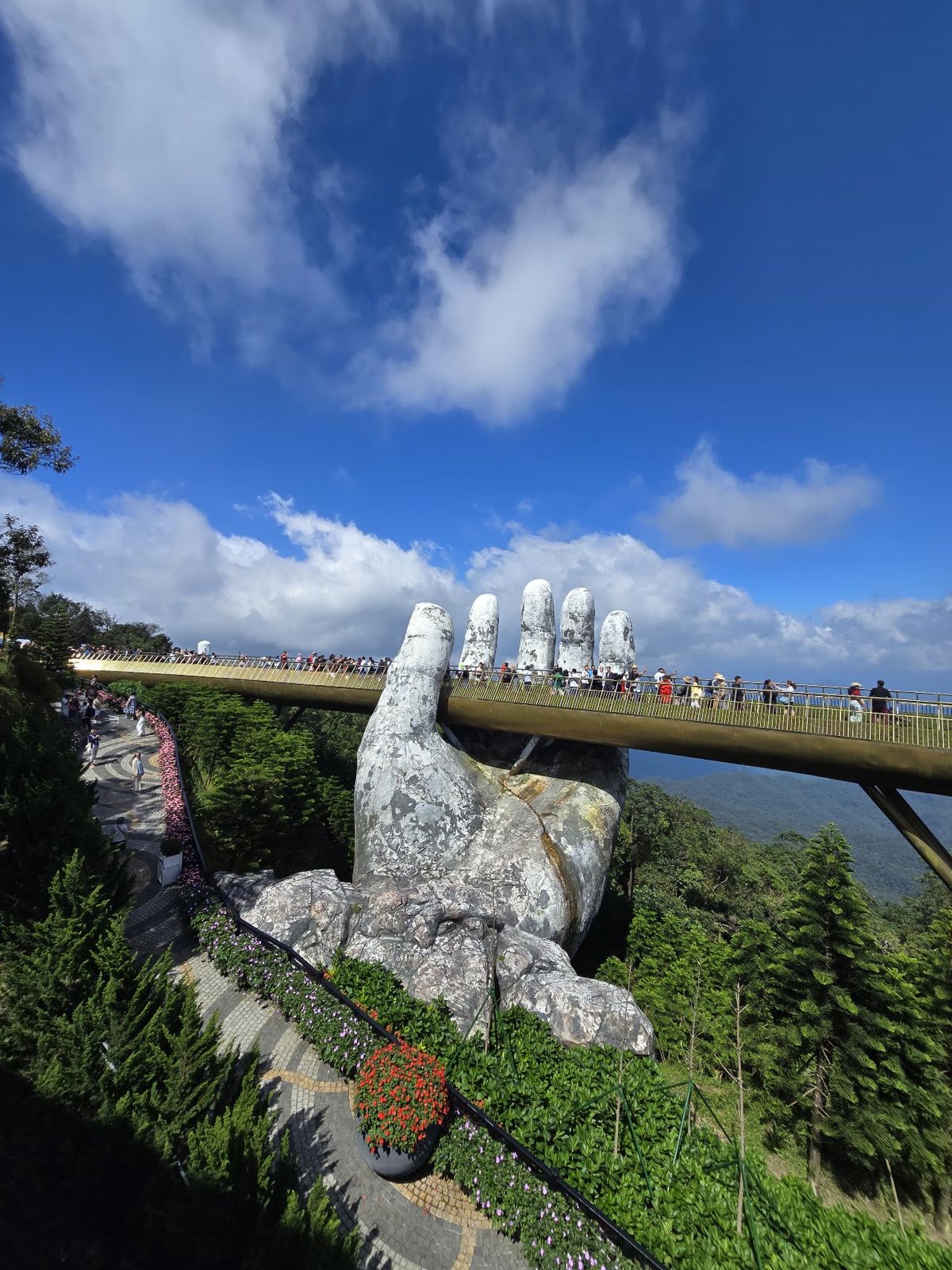
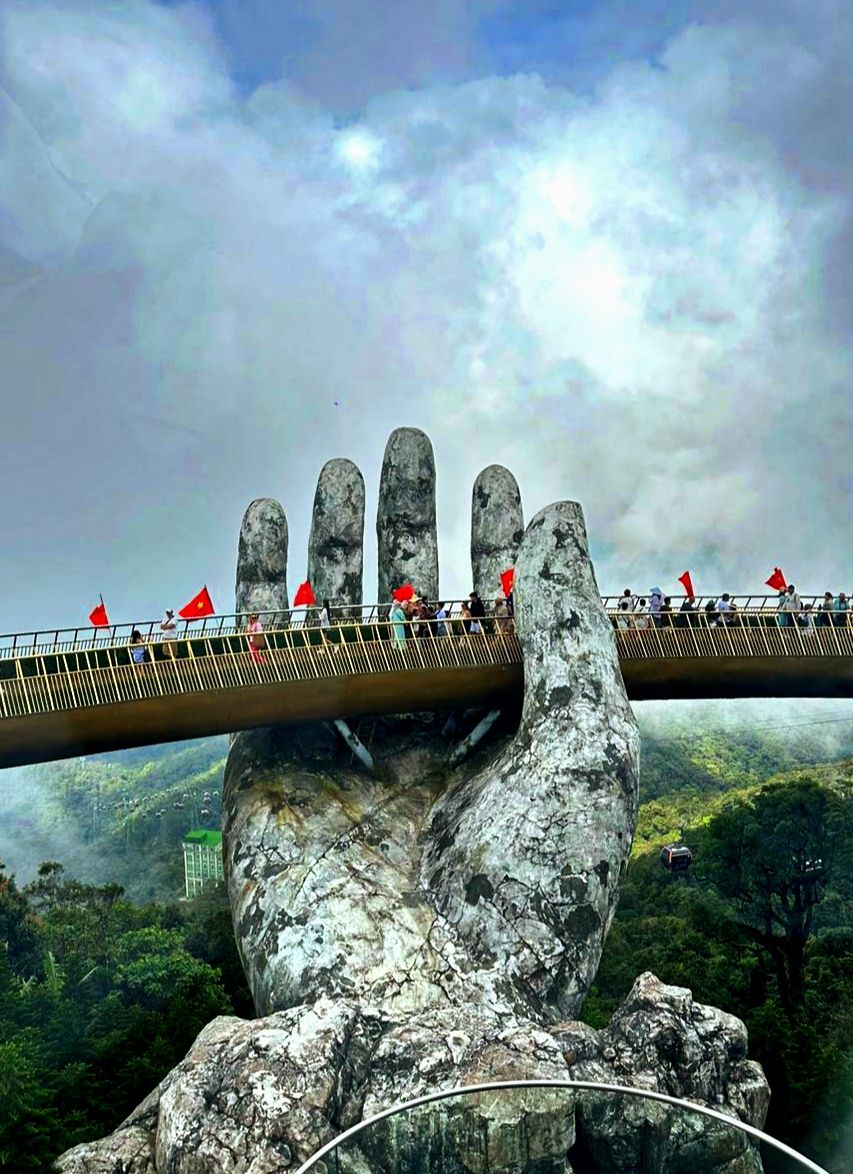
Gates open at 7:30 am. Buy tickets at the entrance — ₫1,000,000 per adult, which covers both cable car stages and all attractions on the hill. Take the lower cable car first; the upper cable car then deposits you near the summit complex.
The Golden Bridge is a 10-minute walk from the top cable car station. Go there first, before the crowd from tour buses arrives around 9:30–10 am.
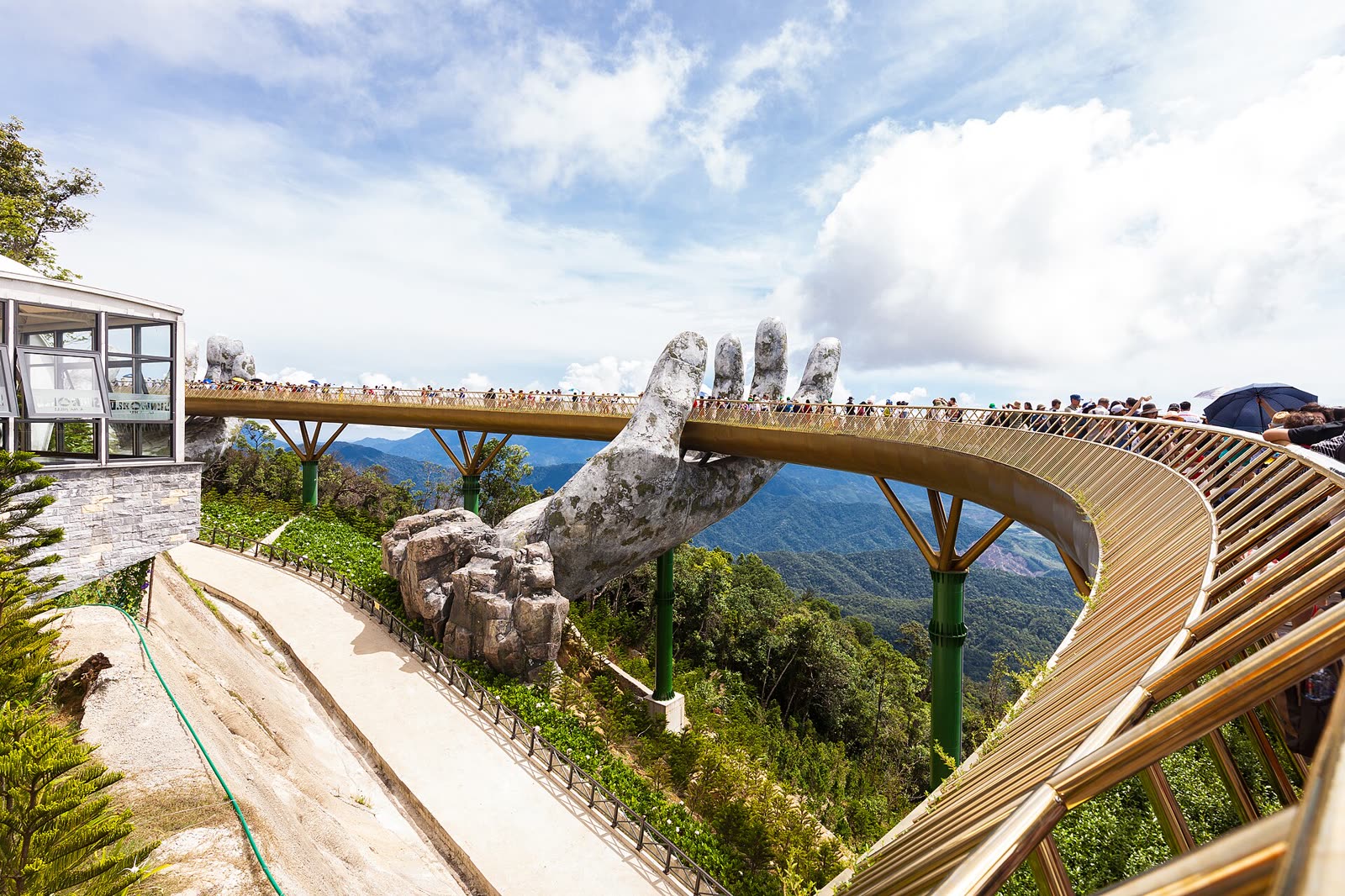
The views are best in clear weather — mornings tend to be clearer than afternoons, especially in the wetter months.
After the Bridge, explore at your own pace: the French Village has restaurants and is atmospheric enough to wander for an hour. The ride zones can be skipped without missing much. Allow yourself five to six hours on the hill.
Lunch: Several restaurants operate at the summit, priced for tourists. Bring snacks from the city if you want to keep costs down, or accept that lunch here will cost more than the city.
Return to Da Nang (3–4 pm)
You’ll be back at the hotel by mid-afternoon. Rest, then head to the beach for an evening swim or dinner near the river.
See the detailed breakdown at /guides/ba-na-hills-golden-bridge-guide/.
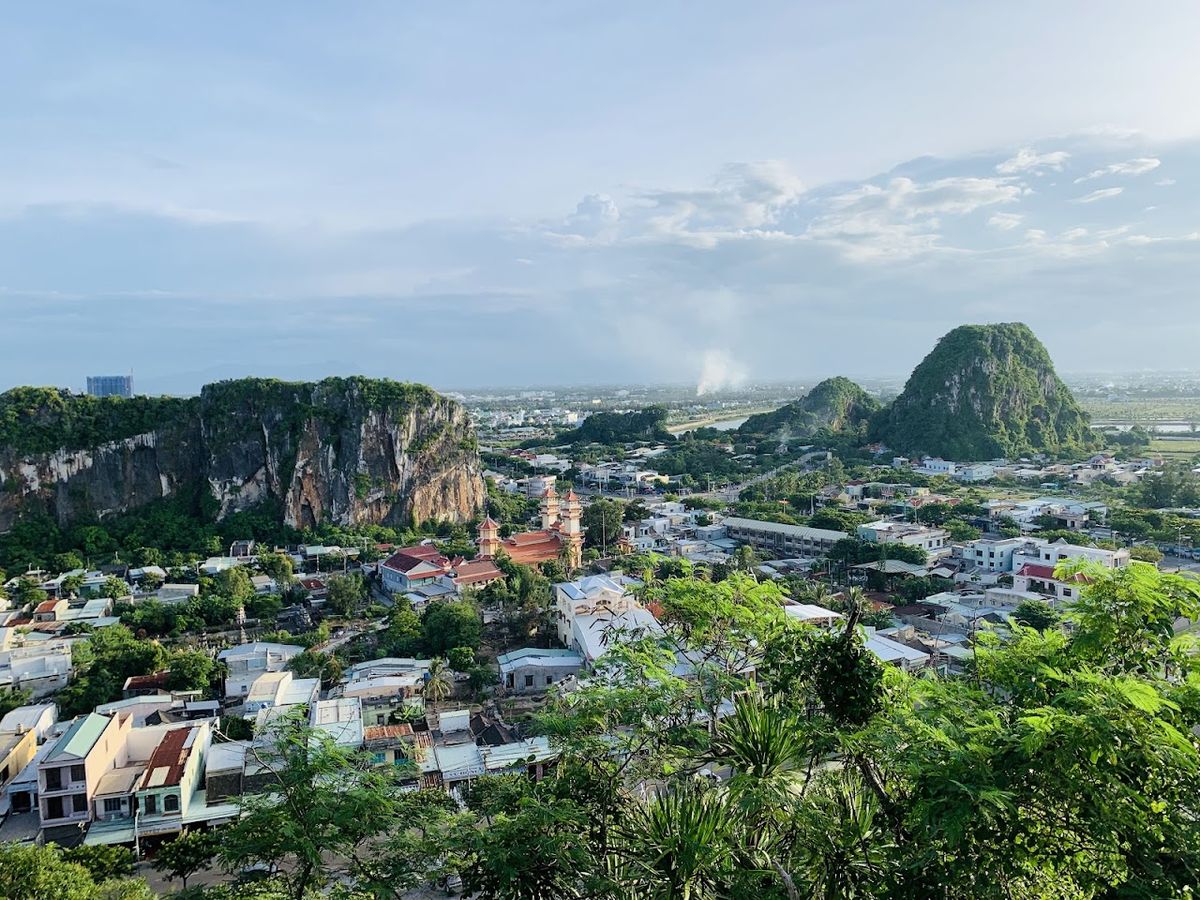
Day 2 (Option B): Marble Mountains and Son Tra Peninsula
This option suits people who want to pace the day more gently, or who’ve already seen Ba Na Hills on a previous trip.
Morning — Marble Mountains (8 am–noon)
Take a Grab south from your hotel to the Marble Mountains base — about 9 km from the city centre, ₫30,000–₫50,000. Entry is ₫40,000 per person; the lift up Thuy Son is ₫15,000 extra (take it going up).
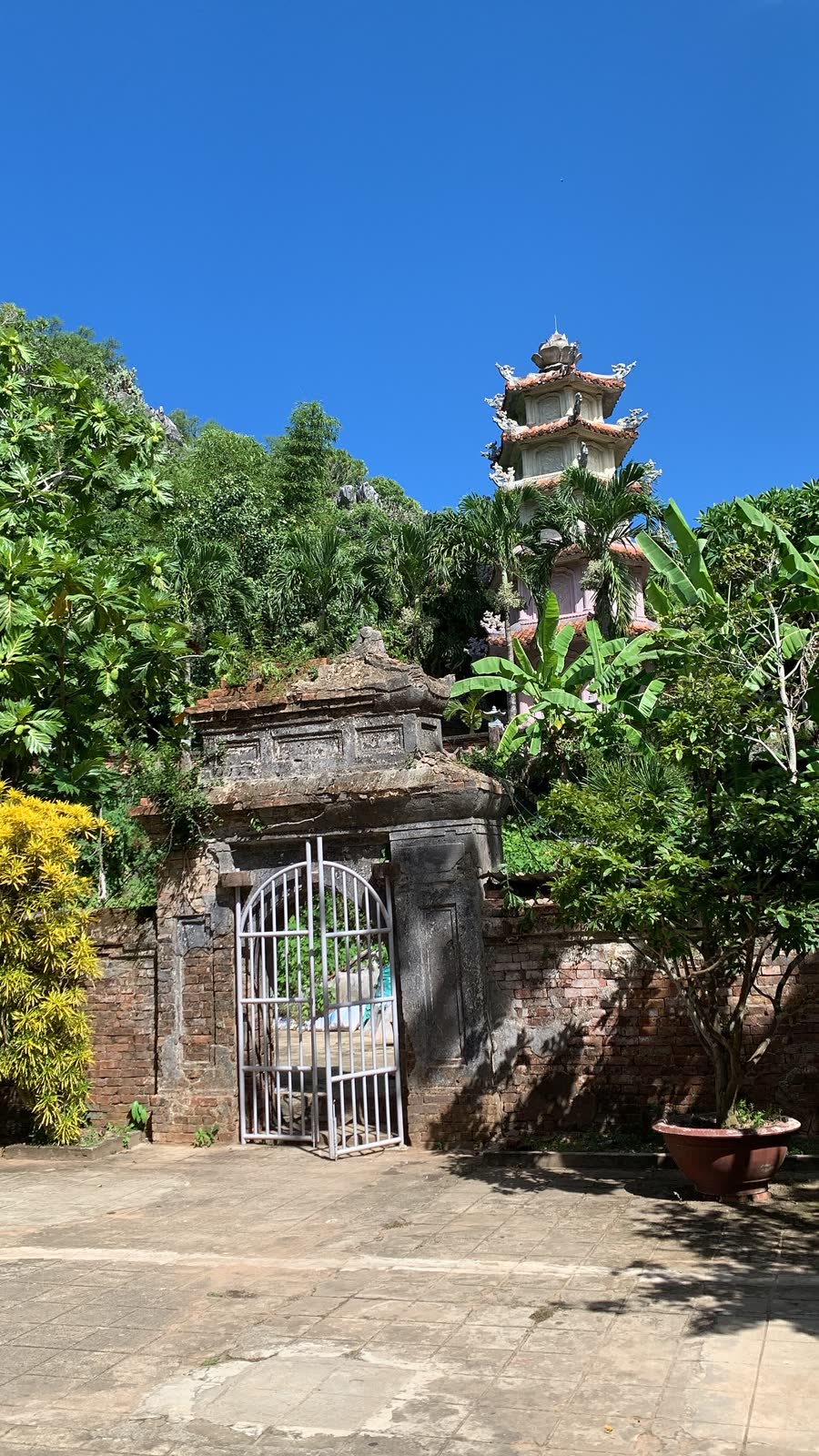
The cave temples inside the mountain are the highlight. Bring a torch or use your phone light in the darker sections. The viewpoint at the top gives a clear line of sight over Non Nuoc Beach and the coast. Allow two to three hours to explore properly.
Non Nuoc Beach is right at the mountain’s base — if you want a swim before the afternoon, this is the spot. The beach is quieter than My Khe.
Lunch around the Marble Mountains base has cheap local options: bun bo Hue, banh xeo (crispy Vietnamese crepe), and fresh coconut.
Full coverage at /guides/marble-mountains-guide/.
Afternoon — Son Tra Peninsula and Linh Ung Pagoda (1 pm–5 pm)
Grab from the Marble Mountains to Son Tra takes about 25–30 minutes and crosses through the city (₫80,000–₫120,000). Alternatively, hire a motorbike for the full day (₫120,000–₫150,000) and ride it from the Marble Mountains up to Son Tra yourself.
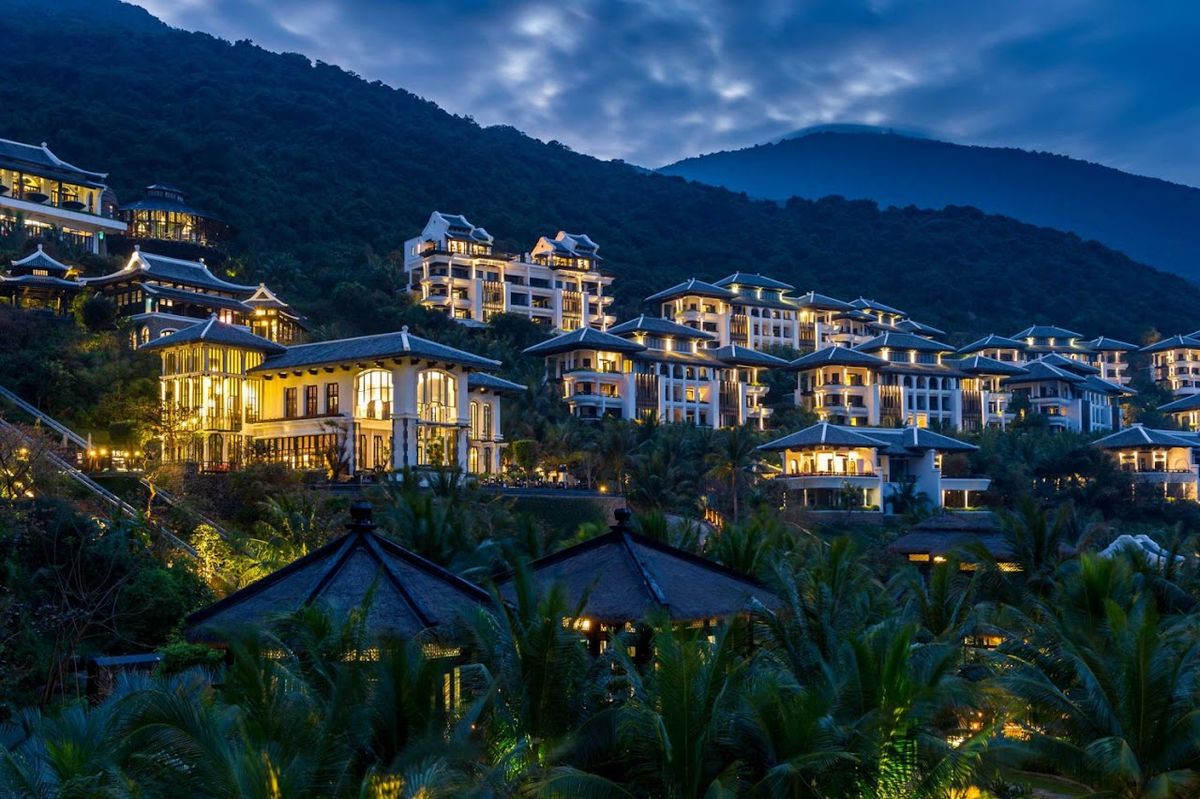
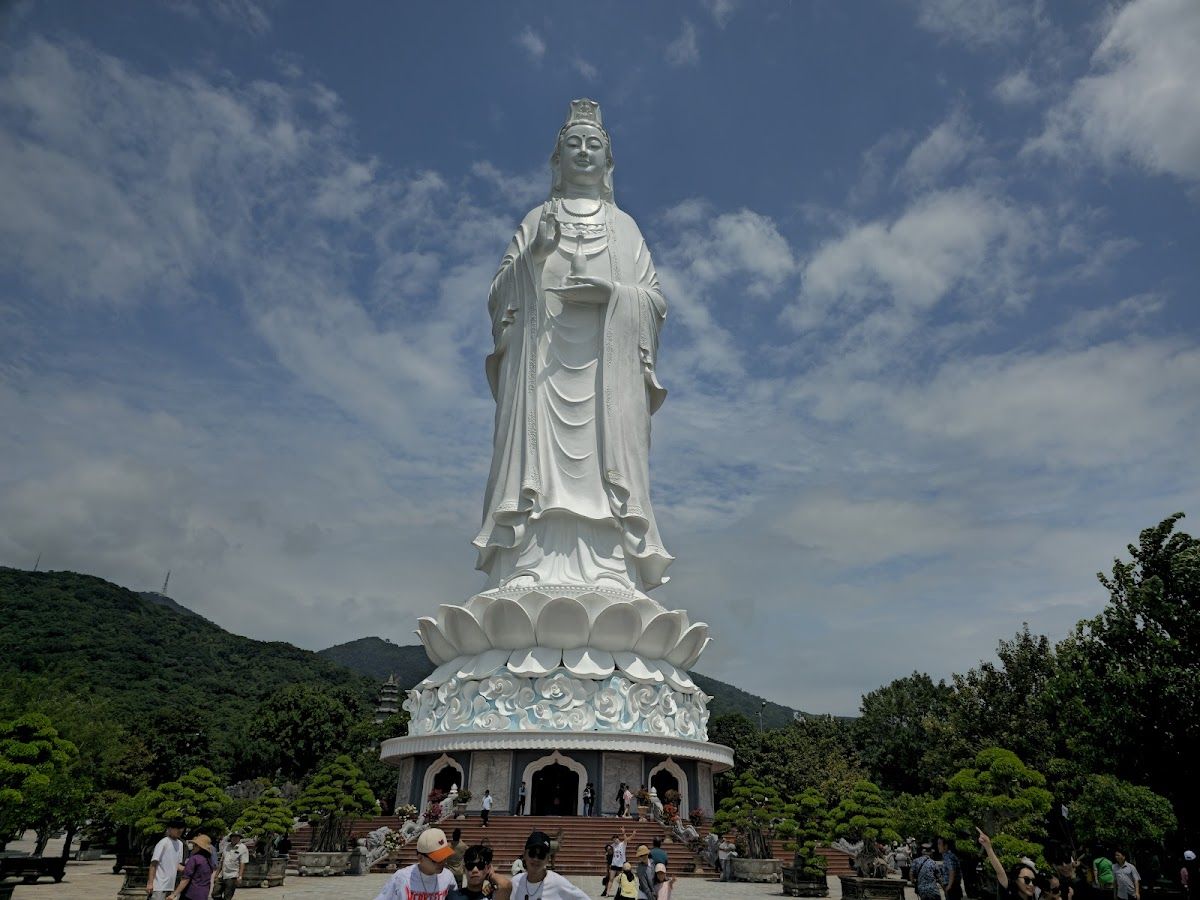
The Son Tra road climbs through dense jungle to Linh Ung Pagoda, where a 67-metre white Buddha overlooks the bay. The views from the pagoda terrace are some of the best in the city — you can see the Da Nang coastline sweeping south. Entry is free; dress modestly.
On the road up, keep an eye on the tree canopy for red-shanked douc langurs — the orange-faced monkeys that live in the forest. Early afternoon is a reasonable time to spot them. Drive slowly.
Allow two hours for Son Tra, then head back to the city for dinner. The beach strip near My Khe has good seafood restaurants for the evening.
Day 3: Hoi An — Old Town and An Bang Beach
Departure (8 am)
Book a Grab car the evening before. The fare from Da Nang to Hoi An runs ₫350,000–₫450,000 and takes about 45 minutes. Aim to arrive by 9 am, before the full tour-group wave hits.
Morning — Hoi An Ancient Town (9 am–1 pm)
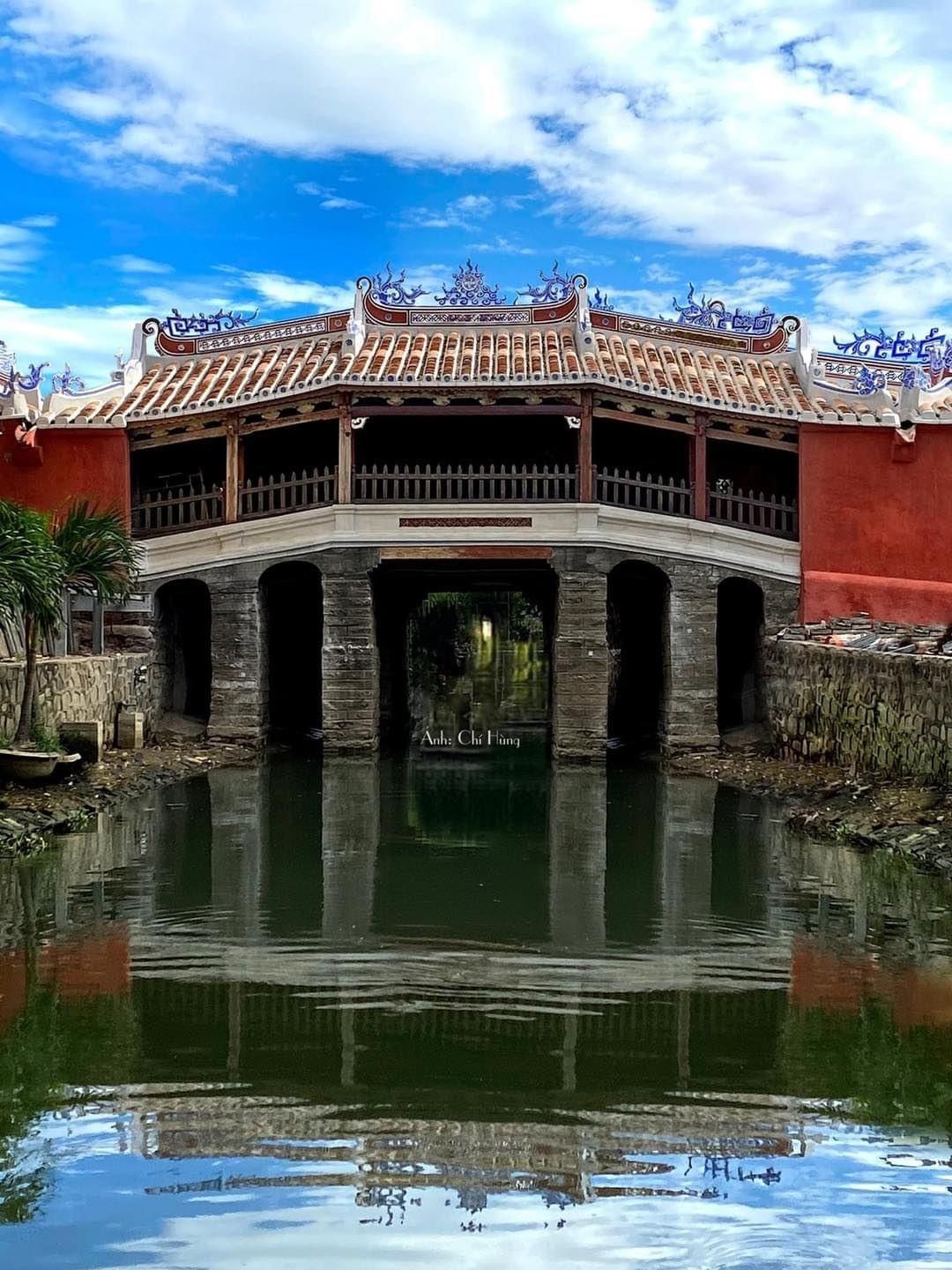
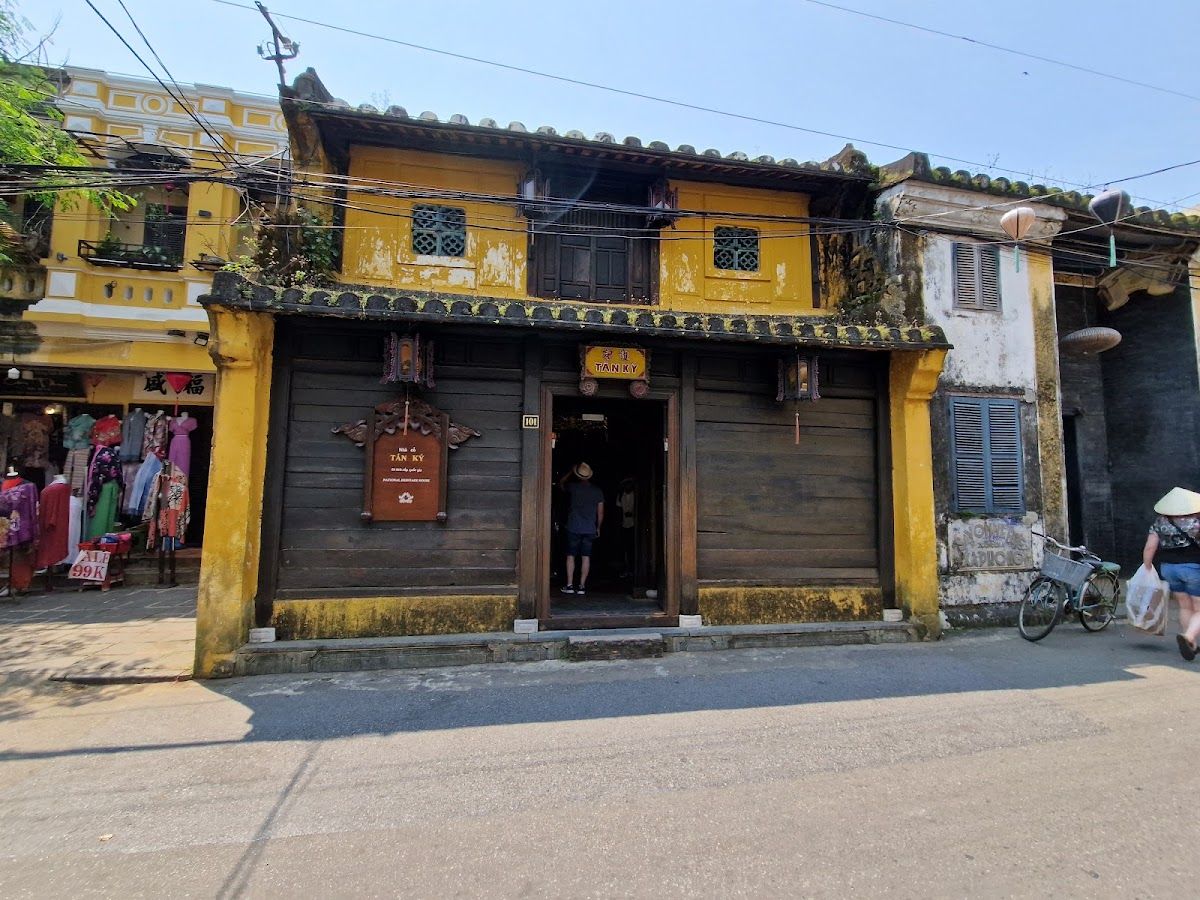
Buy your old town ticket (₫120,000) at one of the yellow booths on the outer edge of the ancient district. The ticket comes with five stubs — each attraction takes one. Choose your five; the Japanese Covered Bridge and Tan Ky Old House are the most interesting of the 22 options.
The streets around the bridge are the most atmospheric. Walk slowly, look above ground-floor level at the wooden facades and tilework, and resist the urge to duck into every souvenir shop. The tailors on the main streets will quote you anything from a shirt to a suit within 24 hours — quality varies widely; ask your hotel for a recommendation if you’re serious about it.
Lunch in Hoi An: white rose dumplings (banh bao vac), cao lau noodles, and banh mi from Phuong’s shop on Phan Chau Trinh Street (open from around 6 am, usually sells out by early afternoon) are all worth trying. Prices in the old town are higher than Da Nang; ₫80,000–₫150,000 per dish at sit-down restaurants.
Afternoon — An Bang Beach (1:30 pm–5 pm)
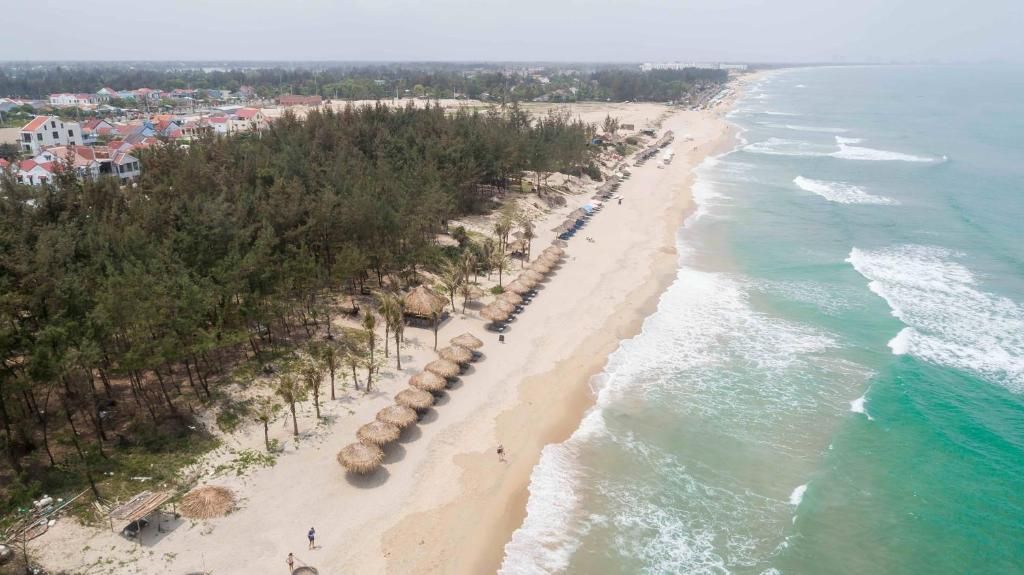
An Bang is about 4 km from the old town — a short Grab (₫40,000–₫60,000) or a 15-minute bicycle ride if your hotel hires bikes. The beach is backed by beach bars and restaurants, the water is clear during the dry season, and it is substantially quieter than My Khe. Deckchairs are free with a drink order at most bars.
Budget at least two hours here. The light in the late afternoon is good for photographs, and the bars become more pleasant as the temperature drops.
Return to Da Nang (5:30–6:30 pm)
Grab back runs the same ₫350,000–₫450,000. If there are four of you, the per-person cost is manageable; if you’re solo, consider whether the shared minibus (cheaper but slower and less flexible) makes more sense for the return leg.
The Hoi An old town guide covers the town in full detail — which heritage sites to prioritise, where to eat on different budgets, and how the lantern festival timing works.
Accommodation
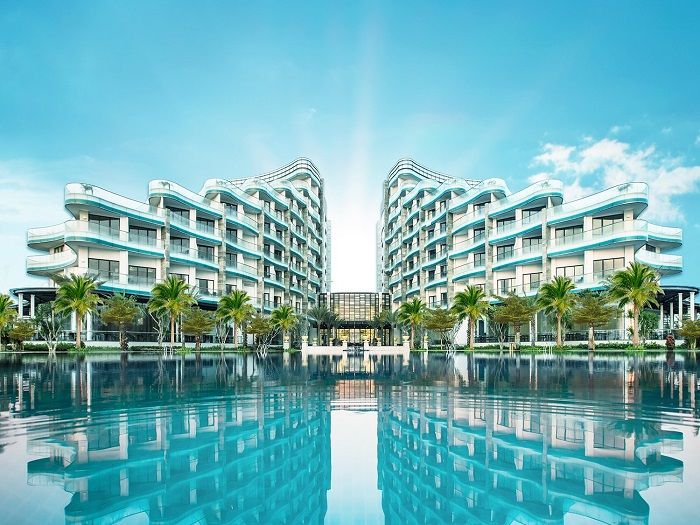
Basing yourself near My Khe Beach puts you close to the sand with easy Grab access to everything else. The city centre is slightly cheaper and more walkable. Browse both options at /hotels/, or read the area-by-area stay guide if the base is still an open question. A slower version of this plan, with My Son added, is the 5-day itinerary.
FAQ
Can I do Ba Na Hills and Hoi An in three days?
Yes. That is option A: a city and beach day, a full day at Ba Na Hills, then Hoi An. The Marble Mountains and Son Tra are the alternative for day two, not an add-on. Doing both the hill and the mountains in one day is a rush.
Where should I stay?
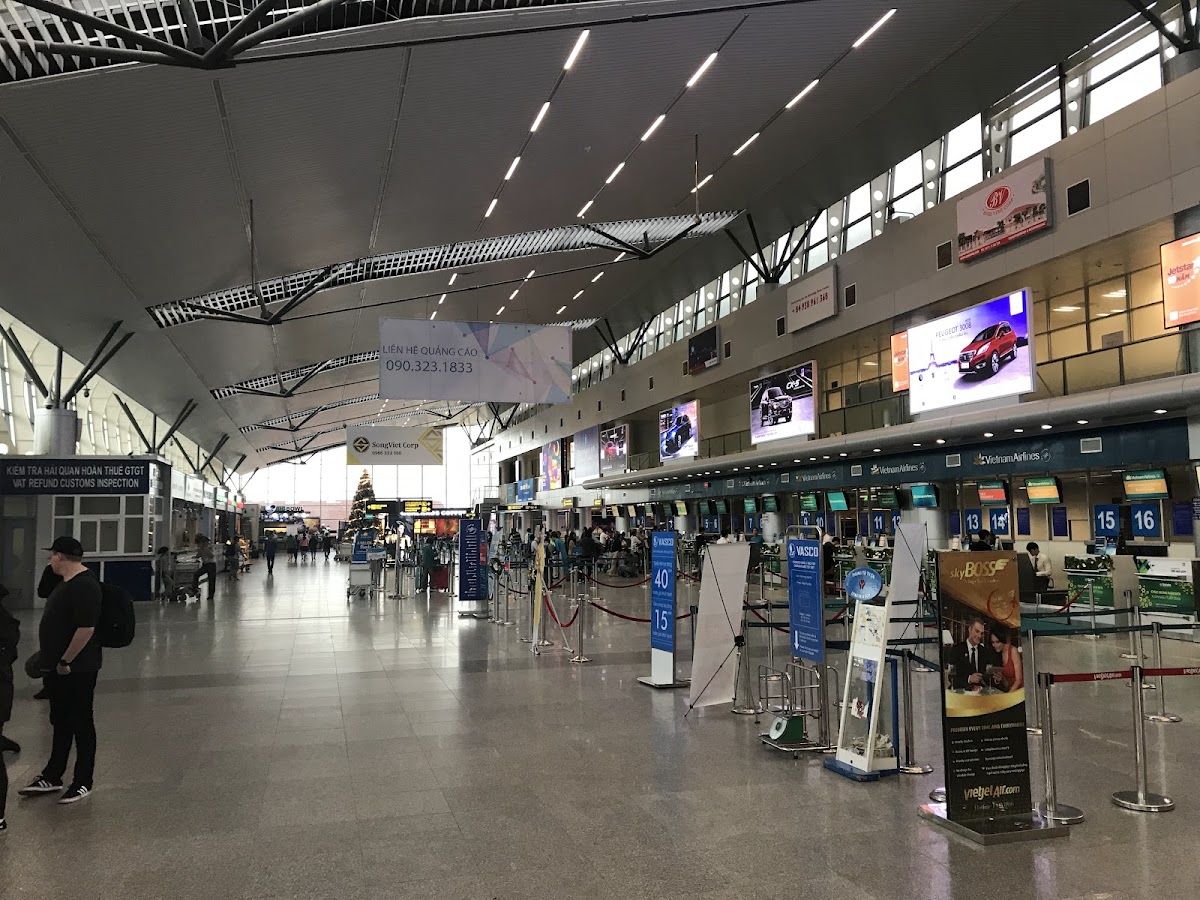
My Khe. The beach is walkable and Grab to the river, the Marble Mountains and the airport stays short. The Han River is the cheaper base if the beach is secondary.
Does the Dragon Bridge show run every night?
No. Friday, Saturday and Sunday at 9pm. It is free. If your three days miss a weekend, you simply don’t see it — don’t rearrange the Hoi An day around it.