


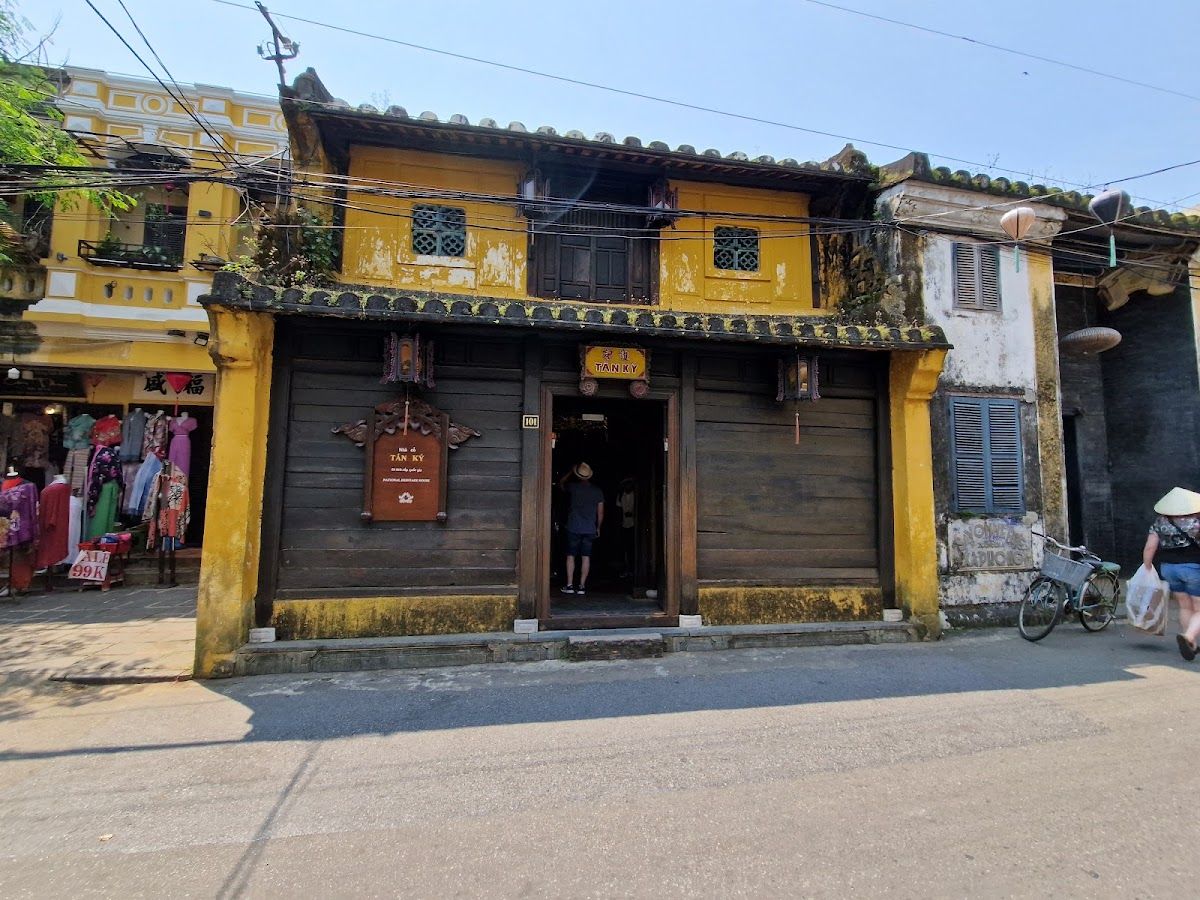
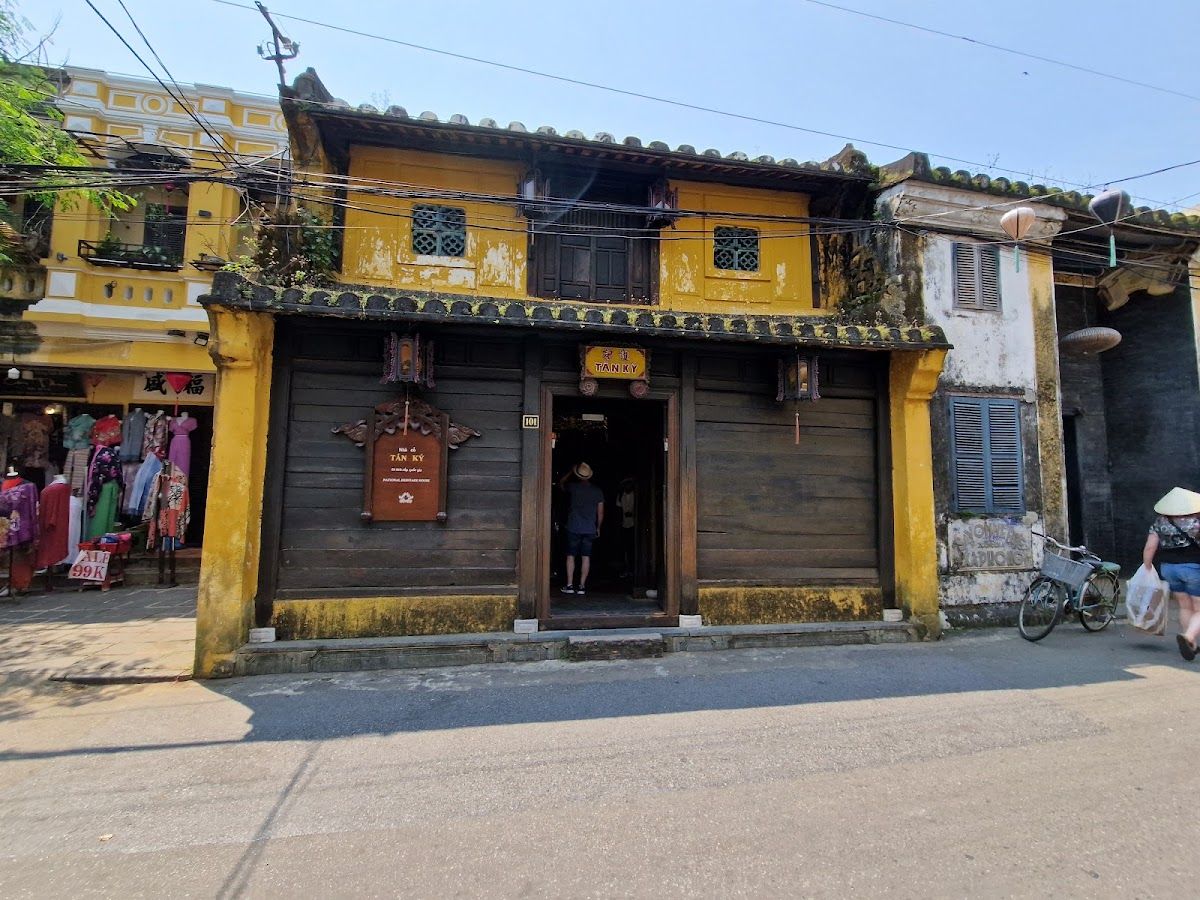

Hoi An’s Ancient Town is a UNESCO-listed trading port that peaked in the 16th and 17th centuries, when Japanese, Chinese, and European merchants all had quarters here. It’s one of the few places in Southeast Asia where that layered history is still physically legible — in the architecture of the merchant houses, in the Japanese Covered Bridge, in the assembly halls built by different Chinese clan groups. It’s also genuinely attractive: narrow streets, yellow-plastered walls, silk lanterns strung between buildings, a river at one end.
It is also extremely popular. The town knows it. Come with that expectation and you’ll enjoy it more.
Quick facts
- Entry ticket: ₫120,000 per adult. Covers 5 heritage sites from a list of 22. Buy from yellow booths around the old town perimeter.
- Sites open: 7am–9pm daily. Ticket counters open 7am–9:30pm.
- Best time to visit: Late afternoon through evening — the light is better, the temperature drops, and the lanterns come on.
- Full moon nights: The town holds a Lantern Festival on the 14th of each lunar month. Cars and motorbikes are banned from the old town; the streets fill with lanterns. Worth timing your trip around if you can.
- Getting there from Da Nang: Grab car runs around ₫200,000–300,000, about 30–45 minutes.
The entry ticket
The ₫120,000 ticket covers any 5 of the 22 designated heritage sites across the old town. It comes as a booklet of 5 tearable vouchers — one per site. Ticket inspectors at the entrances detach a voucher each time you enter. Children under 1.4 metres are charged around ₫50,000; children under 1 metre enter free.
Walking around the old town streets, browsing shops, eating, and sitting by the river is all free. The ticket is for the specific museums, ancient houses, and assembly halls on the heritage list. You’ll know when you need it — there will be a ticket check at the entrance.
What to use your 5 vouchers on: the best picks are the Japanese Covered Bridge, the Tan Ky Ancient House (on Nguyen Thai Hoc Street — one of the best-preserved merchant houses), the Phung Hung Ancient House (gives a sense of the layered Japanese-Chinese architectural influence), and one or two of the Chinese Assembly Halls. The Fujian Assembly Hall is the most elaborate. The Cantonese Assembly Hall is good if you want less of a crowd.
Japanese Covered Bridge
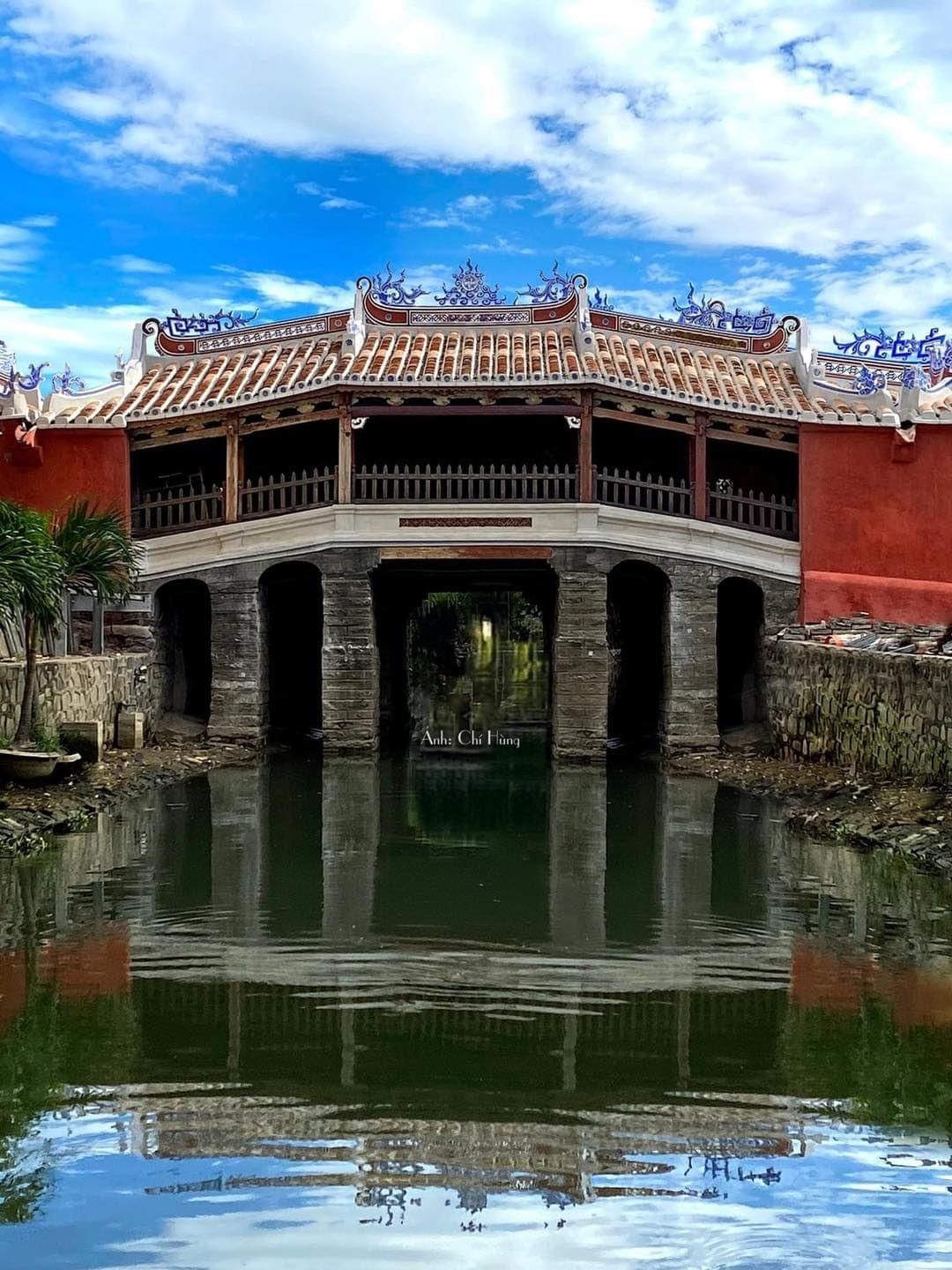
The bridge at the western end of Tran Phu Street is the symbol of Hoi An. Built by the Japanese merchant community in the early 17th century, it spans a small canal and connects the Japanese quarter to the Chinese one. The bridge is about 18 metres long, covered by a wooden roof, and has a small temple built into one side.
It’s small. People are sometimes surprised by how small it is after seeing it in photographs. But close up, the craftsmanship is genuinely interesting — the carved wooden detailing, the roof tiles, the worn stone guardrails. It’s not a monument to stand back and admire from a distance; it’s a thing to walk across slowly and look at carefully.
Use one of your ticket vouchers here. There’s a ticket inspector at the entrance.
The old town streets and ancient houses
Tran Phu Street is the main historic strip — assembly halls, merchant houses, and the better shops run along it. Nguyen Thai Hoc Street runs parallel and is similarly worth walking. The riverfront (Bach Dang Street) is where the tourist restaurants cluster; the food is fine but the prices are tourist prices — better value is one or two streets back.
The old town is compact enough to walk end to end in 30 minutes. The grid isn’t complicated. Getting slightly lost in the alleyways between the main streets is part of how you find the better things — smaller courtyard cafés, family workshops, quieter shop-houses.
Tailors
Hoi An has hundreds of tailors and a well-deserved reputation. The quality has improved significantly in the last decade. The process has also become better understood, which means fewer people leave with a garment that doesn’t fit.
What to order and what to pay:
A women’s simple cotton or linen dress runs around ₫1,000,000–1,900,000 ($40–75). A cocktail dress or something structured in silk costs more — ₫3,000,000–5,500,000 ($120–220) for good execution. Men’s shirts range from ₫625,000–2,100,000 ($25–85). A men’s suit in decent fabric runs ₫3,750,000–10,000,000 ($150–400), depending heavily on fabric choice and how many fittings you do.
The process:
Reputable shops work on a 2–3 day timeline with at least one fitting in between. You’ll choose fabric first (they have samples; bring a photo of what you want), the shop takes measurements, a first fitting happens 24–48 hours later, alterations follow, and the final garment is ready. Most shops ask for a 30–50% deposit upfront. Always get the total price confirmed in writing before you leave — “we’ll add a lining” can add ₫500,000 to your bill if it wasn’t specified.
How to negotiate:
The first price quoted is typically 40–60% higher than what they’ll accept. Negotiating is expected. A polite counter-offer of about half the initial quote is a reasonable starting point; you’ll land somewhere in the middle. Don’t get aggressive about it — if a shop won’t move at all, walk to the next one.
Timing: You need at least 48 hours in Hoi An to get something made properly. Order on day one of your stay, not your last afternoon.
Finding a good tailor: Reviews on Google Maps are the most reliable indicator. Look for photos posted by previous customers — photos of actual garments are more useful than star ratings. Yaly Couture, Bebe Tailor, and A Dong Silk are among the consistently well-reviewed options on Nguyen Thai Hoc and Le Loi streets.
Lantern nights and the full moon festival
On the 14th of each lunar month, Hoi An holds its Full Moon Lantern Festival (Hội An Đèn Lồng). Electric lighting in the old town is switched off. The streets fill with silk lanterns, candles, and traditional music. Motorbikes and cars are banned from the old town streets. Paper lanterns with candles are sold for around ₫10,000–20,000 and are released on the river.
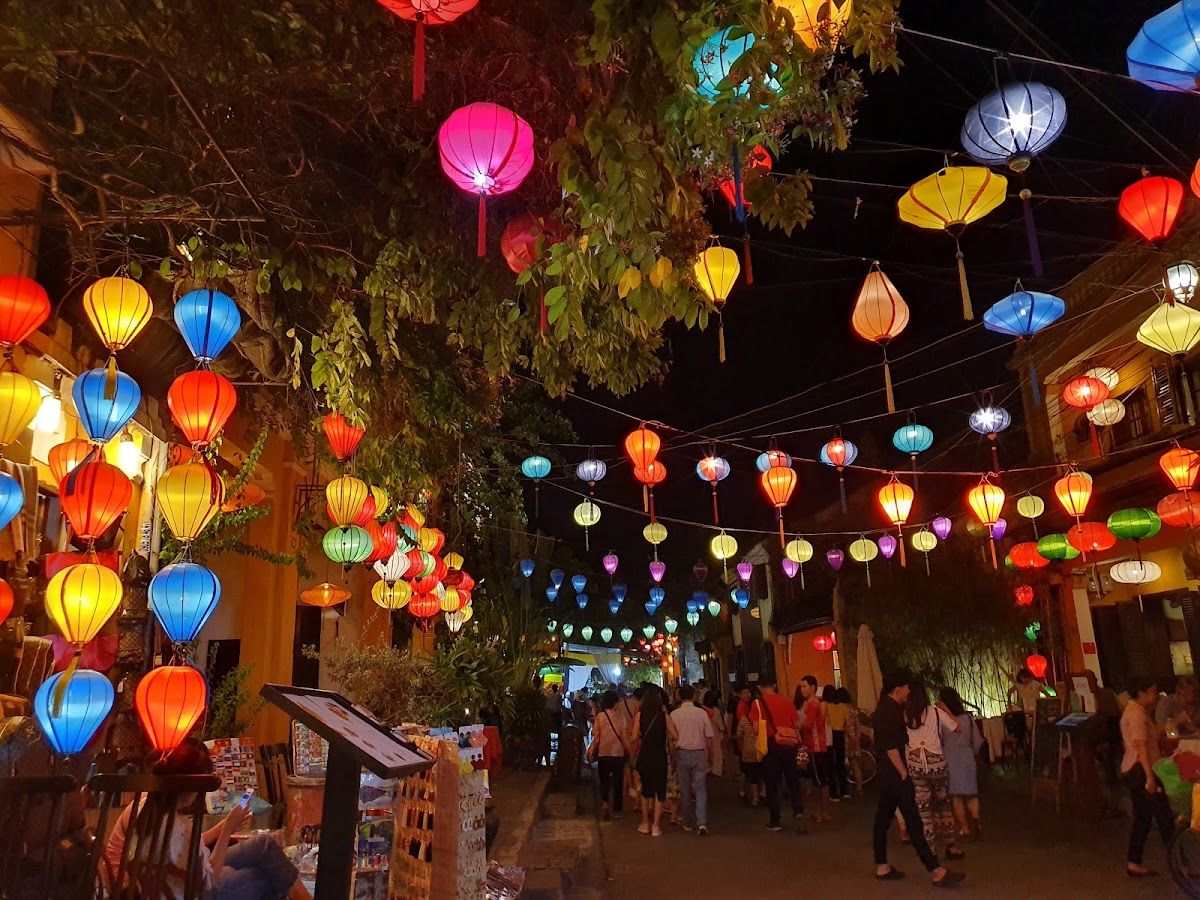
Even on non-festival nights, the old town is at its best after dark. The silk lanterns strung along the streets are lit from early evening. The river walk on Bach Dang Street fills with people. It’s a different experience from the daytime, and if you’re only doing one evening in Hoi An, make it this one.
Full moon 2026 dates (approximate): Check the lunar calendar for exact dates — the 14th lunar day falls on different solar dates each month. July 2026’s full moon falls around the 10th; August around the 9th. Arrive the day before the full moon for the best chance of clear skies.
Riverboat lanterns
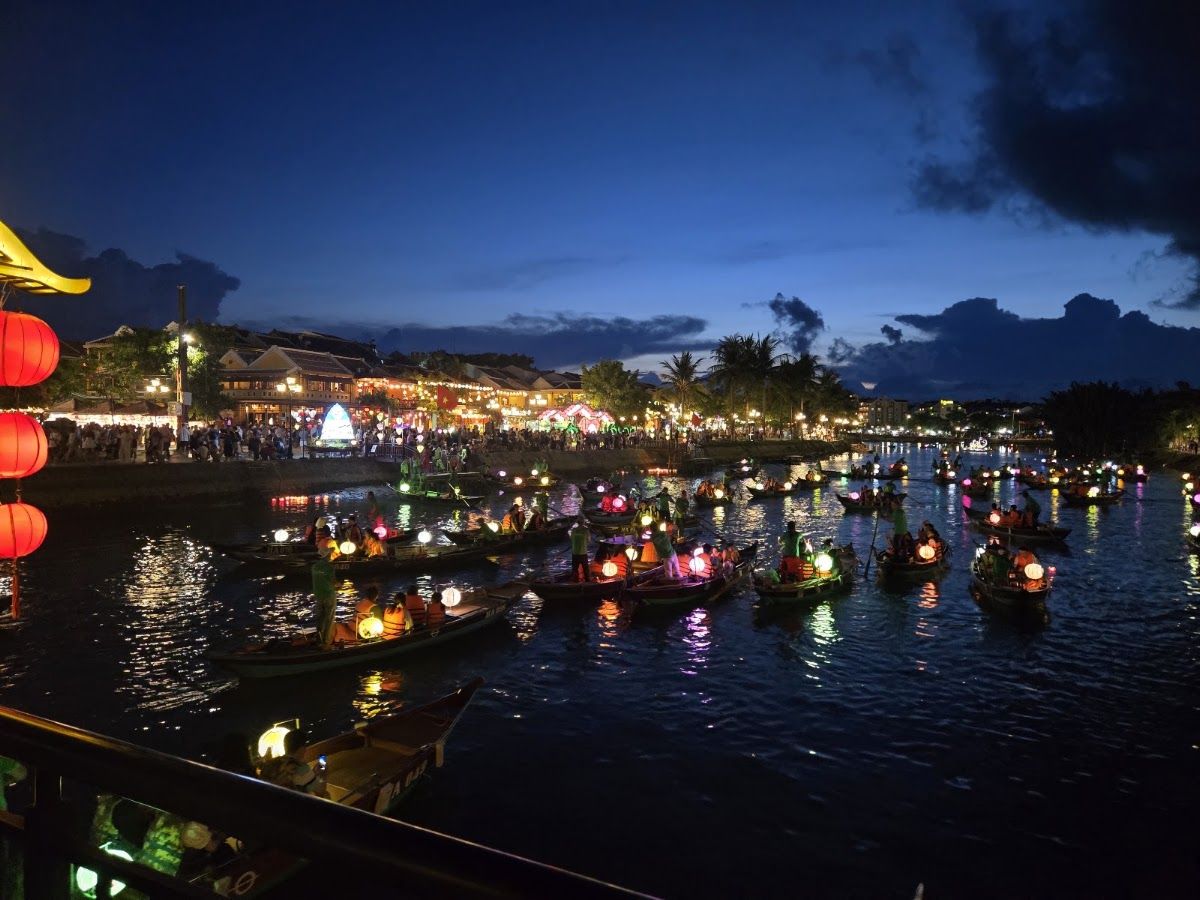
On the Thu Bon River, small wooden boats offer lantern-release trips on the water. A boat for two with a candle lantern typically costs around ₫100,000–200,000 for a 20-minute circuit. These trips are most popular during full moon evenings but run on most nights. Negotiate the price and confirm the route before boarding.
The night market on the river bridge (An Hoi pedestrian bridge) is also worth a look — local food stalls, more lanterns, and the best angle for seeing the town lit up from the water side.
Getting there from Da Nang
Hoi An is 30 km south of Da Nang — about 30–45 minutes by car.
Grab: A Grab car from central Da Nang to Hoi An Ancient Town runs around ₫200,000–300,000. The most straightforward option, especially for first-time visitors. Note that Grab motorbikes are not permitted to enter the Ancient Town core; cars drop you at the edge.
Shuttle bus / open-tour bus: Multiple operators run shuttle minibuses between Da Nang and Hoi An for around ₫100,000–150,000 per person. These pick up from hotels and drop at a central Hoi An point. Slower, but cheap and reliable.
Motorbike hire: Renting a scooter in Da Nang (around ₫120,000–150,000/day) and riding to Hoi An is popular with experienced riders. The coastal road south is pleasant. Be aware that parking in and around the old town is limited — leave the bike outside the old town perimeter.
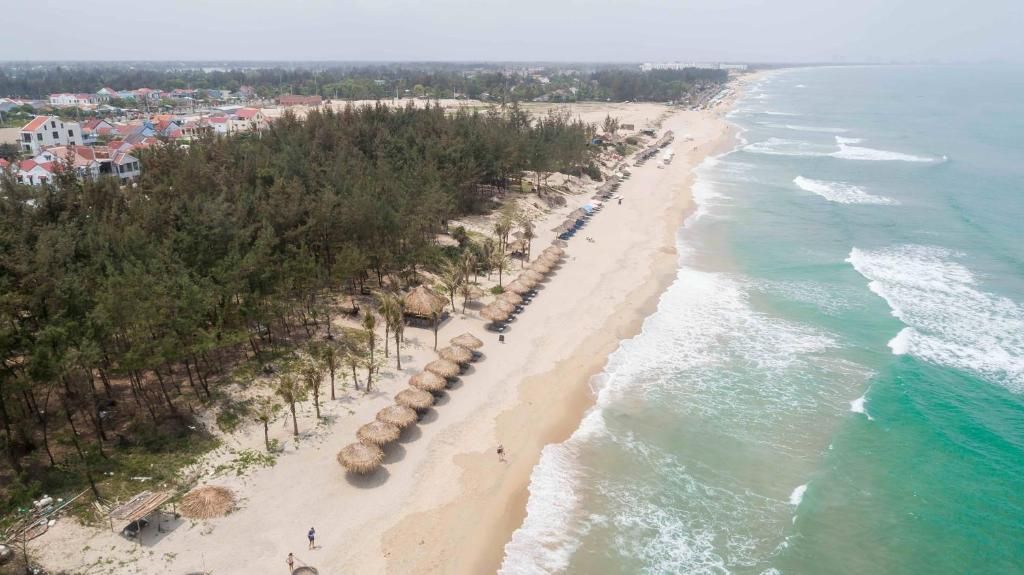
See Hoi An area detail and An Bang Beach for where to stay and what’s nearby. Hoi An also works well as a day trip from Da Nang if you’re basing yourself in the city.
When to go
Evening is better than daytime for the old town itself. The light is kinder, the heat drops from late afternoon, and the lanterns and street atmosphere make a real difference. Arrive around 4pm, see the major sites in the remaining light, then spend the evening eating and walking.
For a full visit, two days in Hoi An is enough to do the ancient town properly, order something from a tailor, get to An Bang beach for a half-day, and eat well. Three days lets you slow down.
Avoid the town on a full-moon Saturday in peak season (June–August) unless you specifically want the festival atmosphere — it’s very crowded. A weekday full moon is a better balance.
For accommodation ranging from guesthouses to riverfront boutique hotels, see /hotels/. Every way to get here from Da Nang, with fares, is in Da Nang to Hoi An. If you are still choosing a base, read Da Nang or Hoi An.
FAQ
How much is the Hoi An Ancient Town ticket?
₫120,000 per adult in 2026. It covers any five of the 22 heritage sites. Children under 1.4 metres are about ₫50,000, and children under 1 metre are free. The streets, the shops, the food and the river are free.
Do I need the ticket to see the Japanese Covered Bridge?
The entrance has a ticket inspector, and going in uses one of the five vouchers. Photographing the bridge from the street does not.
When should I go?
Late afternoon into the evening. The sites are open 7am–9pm, but the heat and the tour groups are worst late morning. The lanterns are the reason to stay past 5pm.
When is the lantern festival?
The 14th day of each lunar month. Motorbikes and cars are kept out of the old town that night. Check the lunar date for the month you are travelling. A weekday full moon is easier than a Saturday in June, July or August.