
Da Nang used to be the city people flew through on the way to Hoi An. That has changed. It is now a destination on its own terms — beach, jungle, mountains, city — and well-connected enough that you can combine all of it in three or four days without killing yourself with logistics.
The list below is ordered roughly by impact, not geography. Ba Na Hills is genuinely worth the half-day and the money. The Dragon Bridge fire show is free and takes twenty minutes. Not everything needs to be an event.
Quick facts
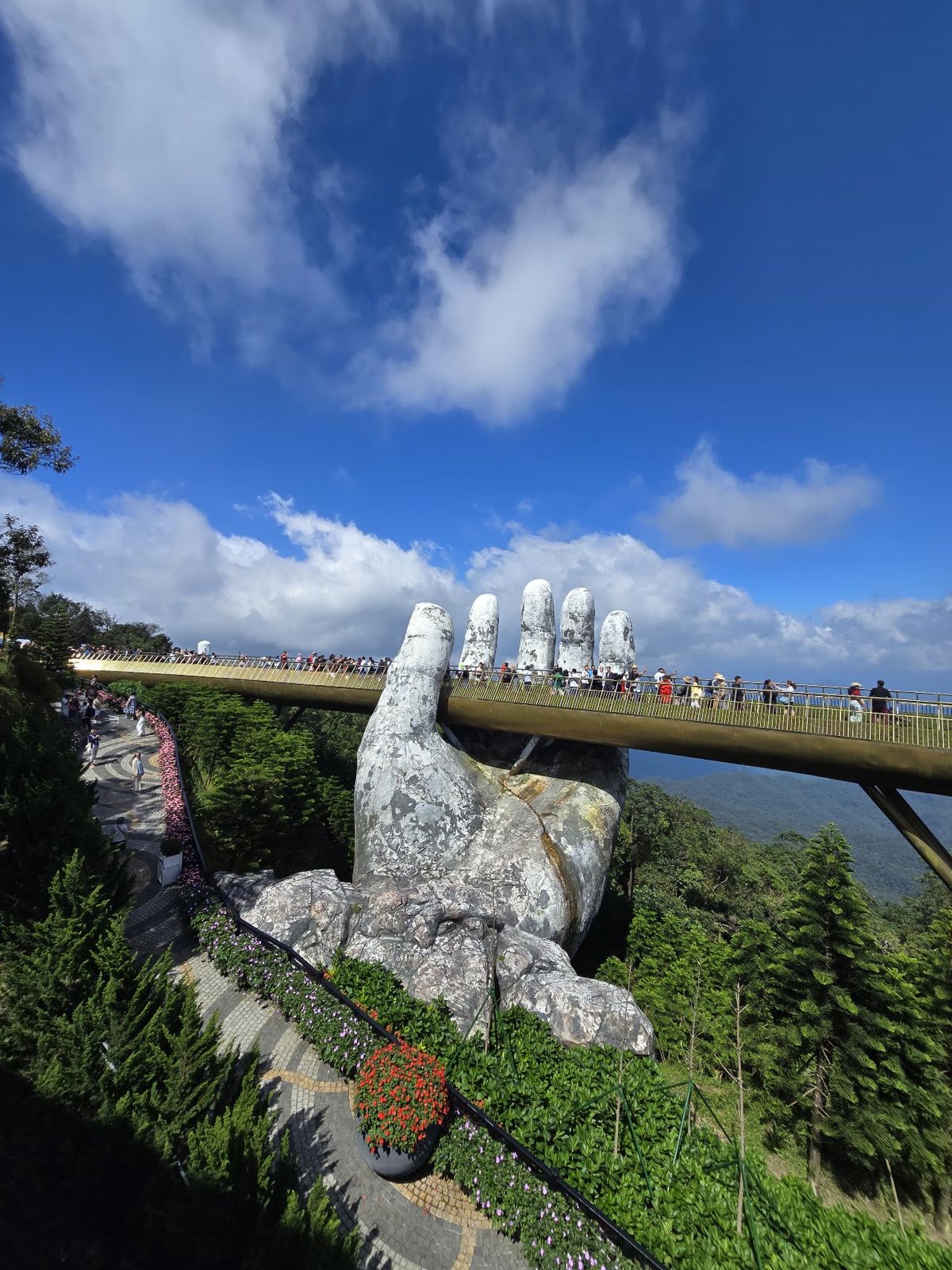
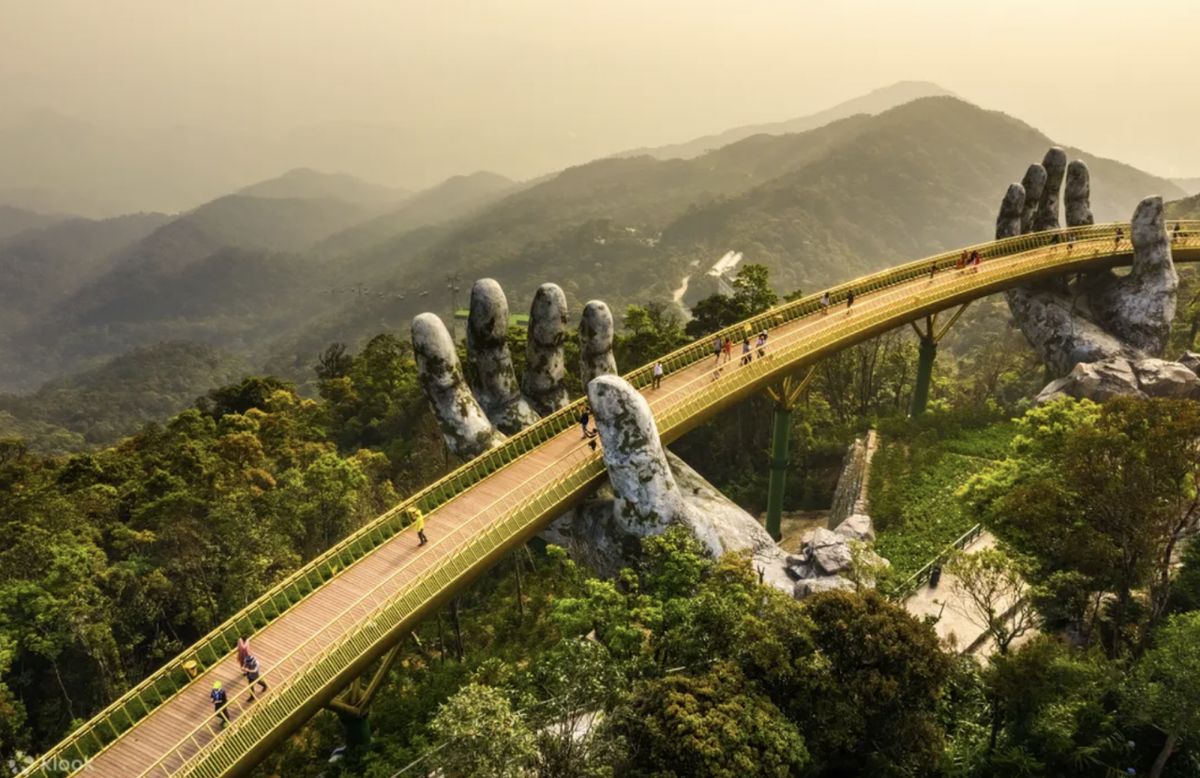
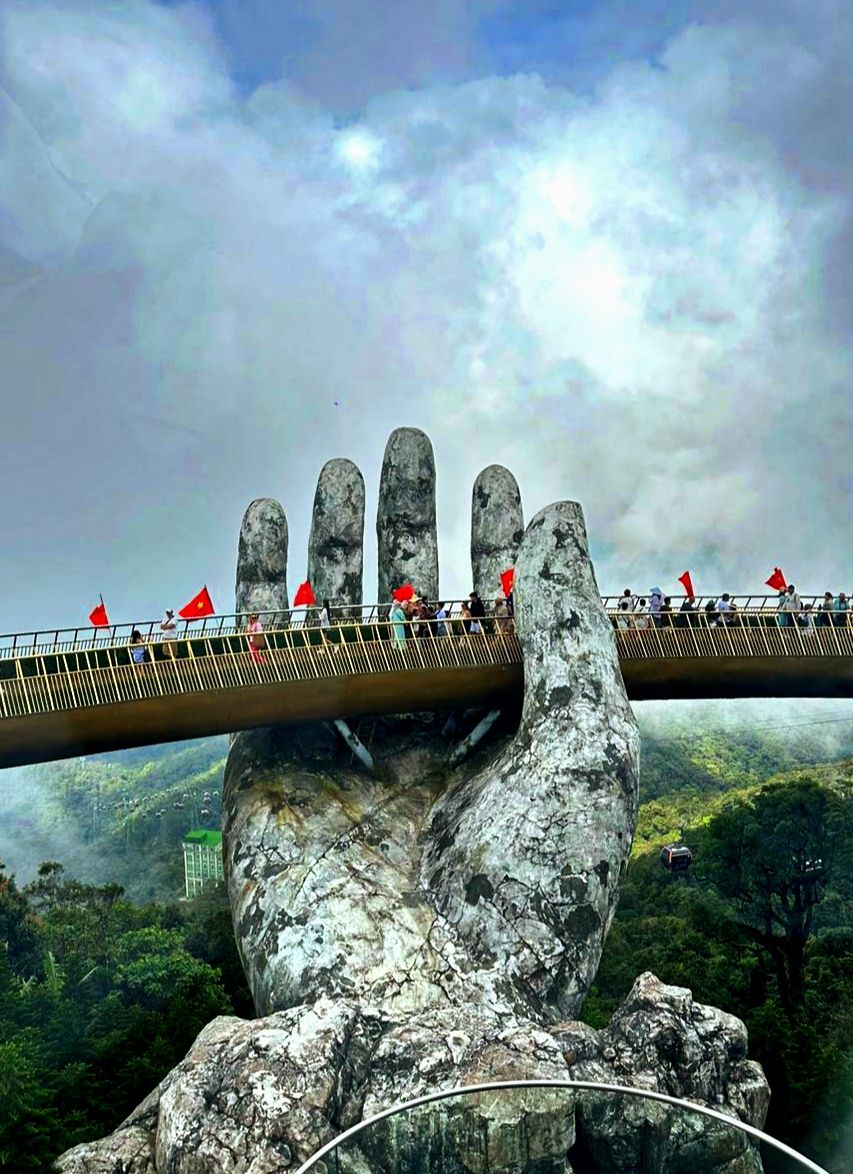
- Golden Bridge, Ba Na Hills — the reason most visitors come. Full day. Worth it.
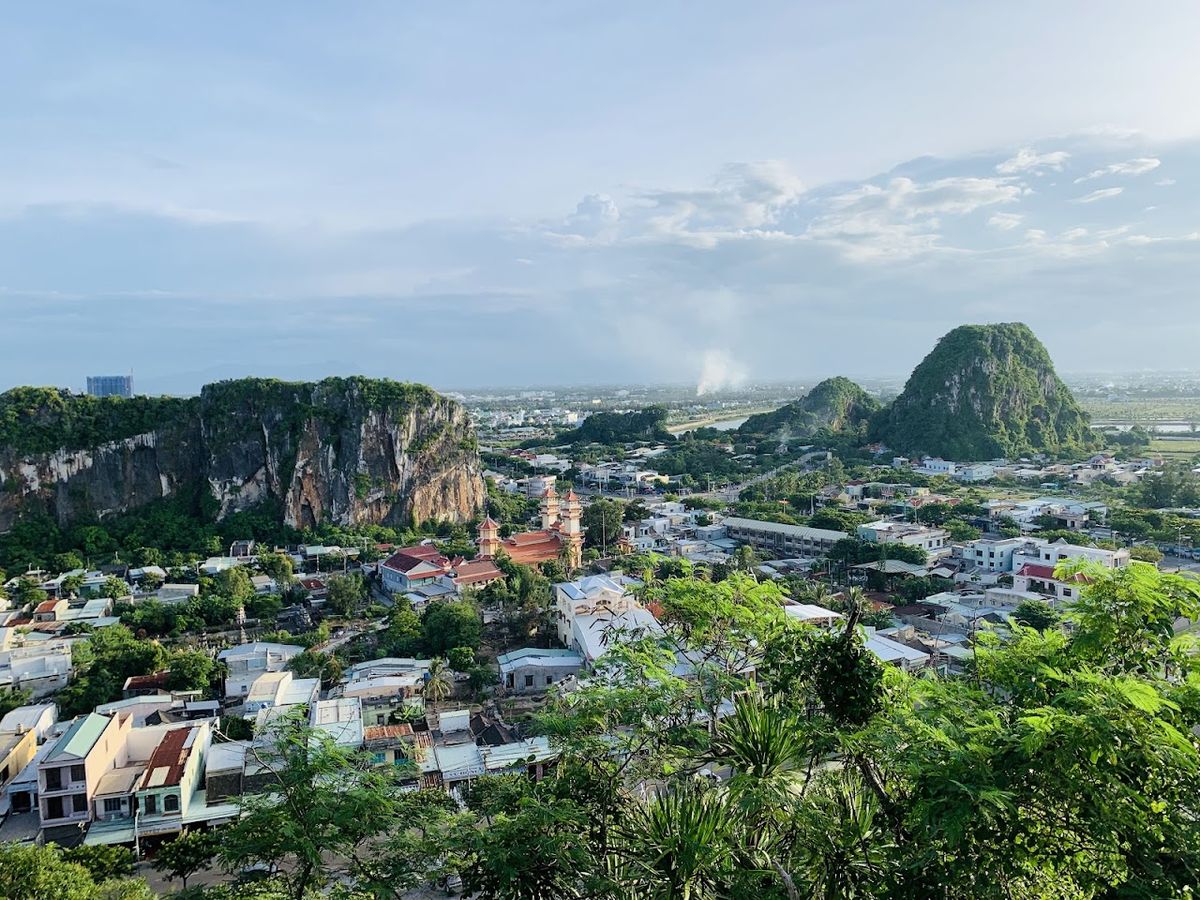
- Marble Mountains — a good half-day south of the city. Cheap, caves, views.
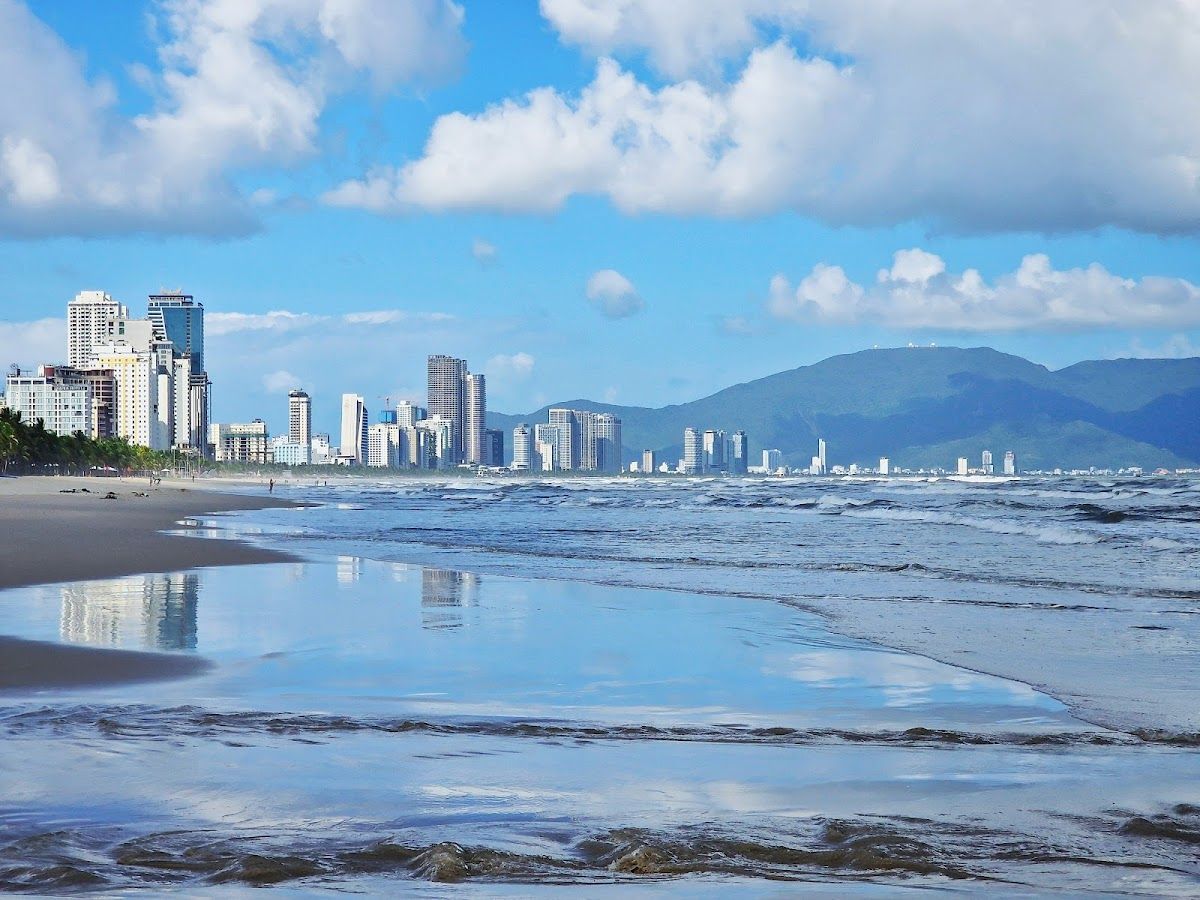
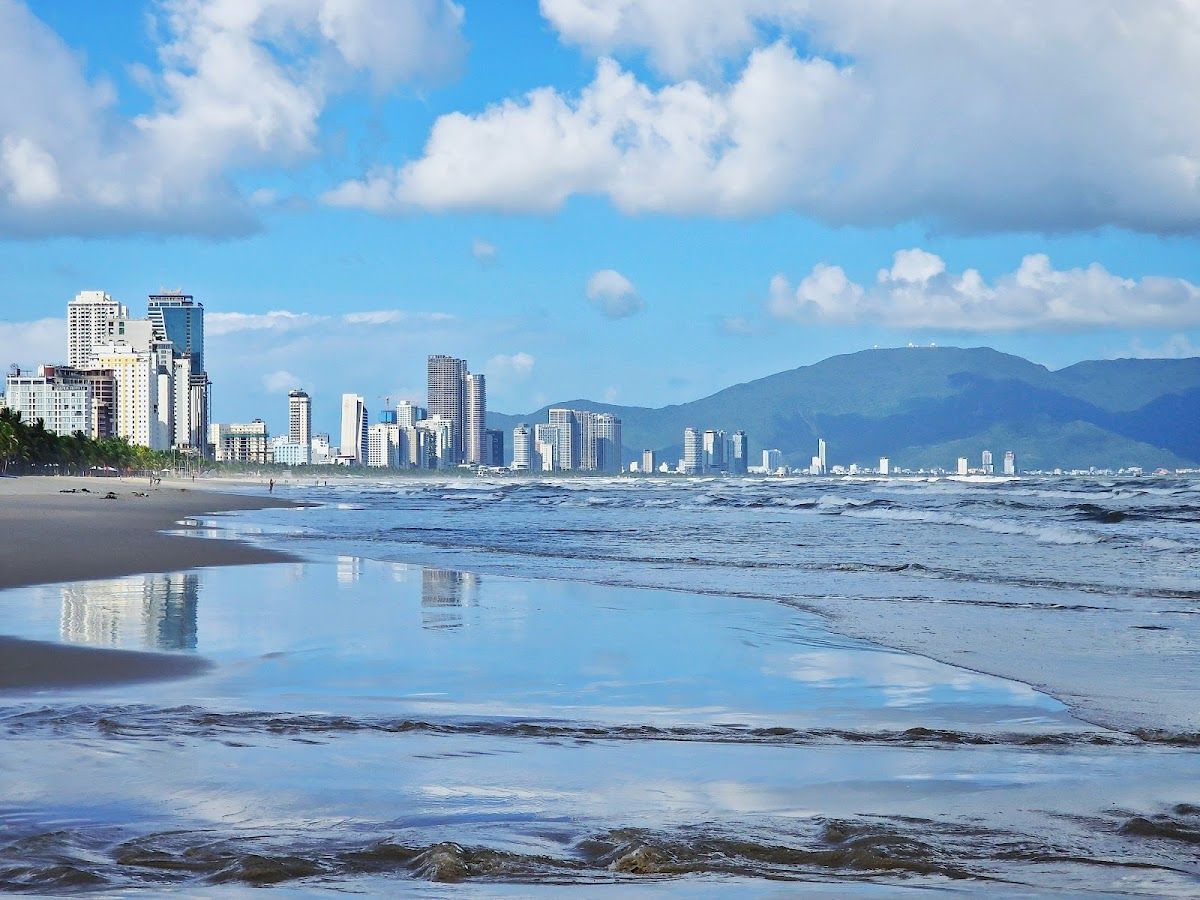
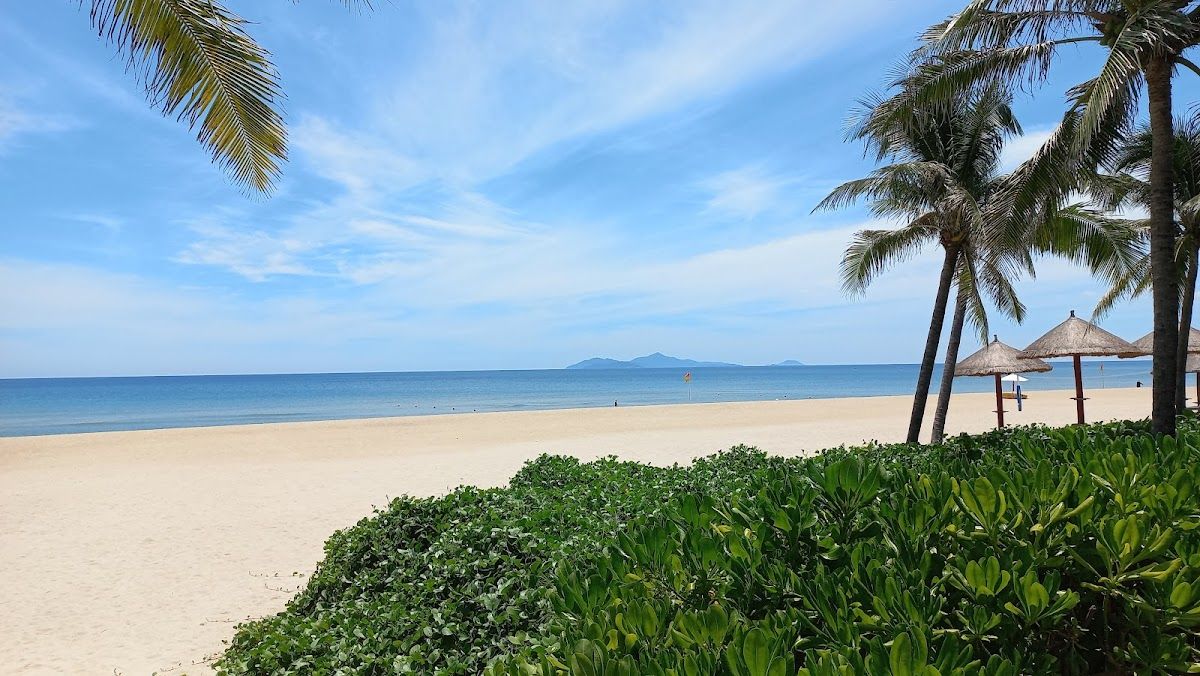
- My Khe Beach — 30 km of sand, walking distance from most hotels.
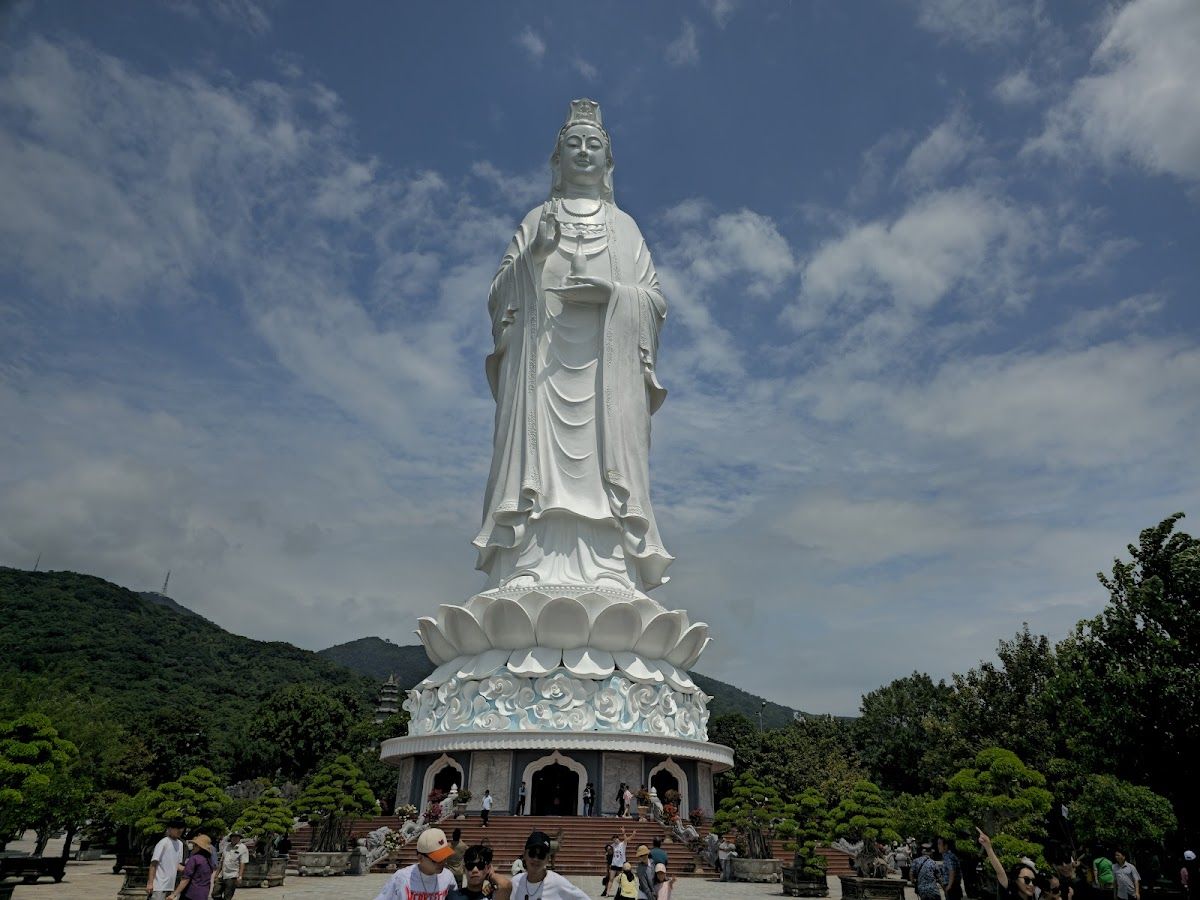
- Son Tra Peninsula / Linh Ung Pagoda — jungle road, massive white Buddha, ocean views.
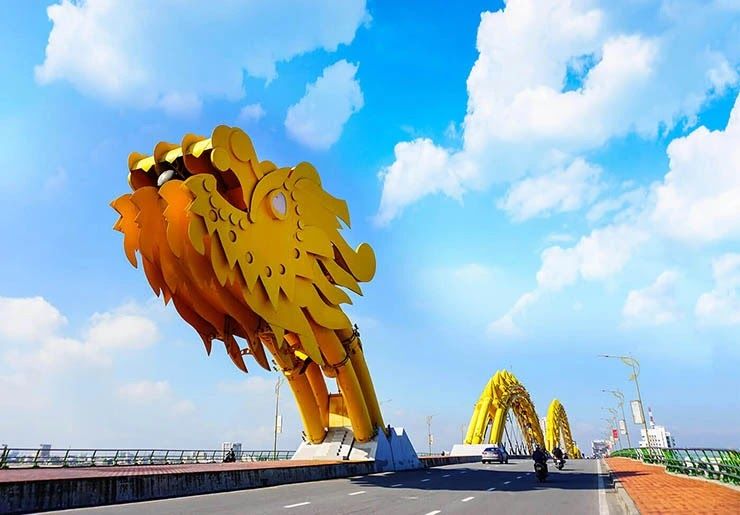
- Dragon Bridge fire show — free, Friday to Sunday at 9 pm.
- Han Market — worth an hour in the morning.
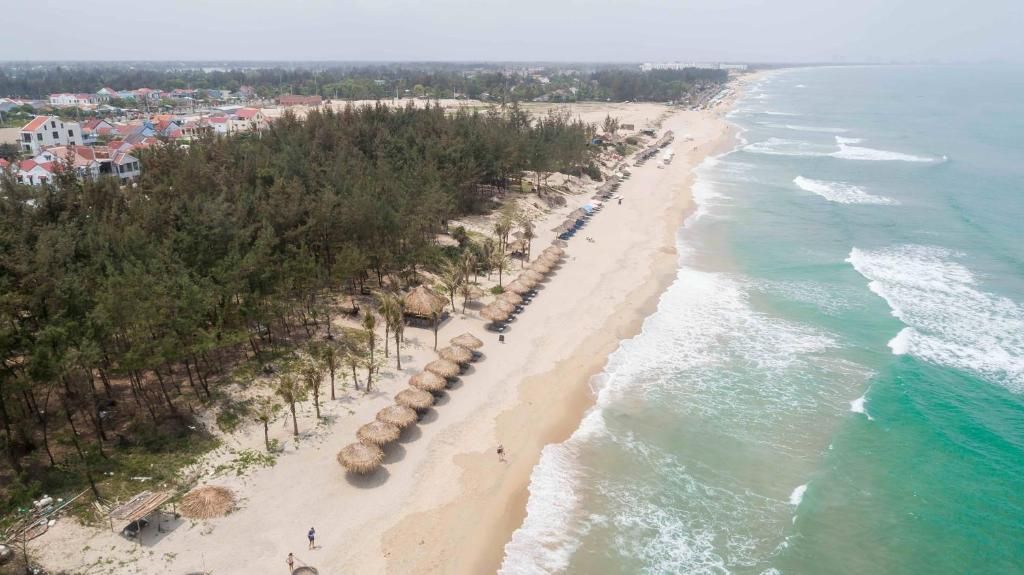
- Hoi An day trip — do this on Day 3. Ancient town, old city, An Bang beach.
Ba Na Hills and the Golden Bridge
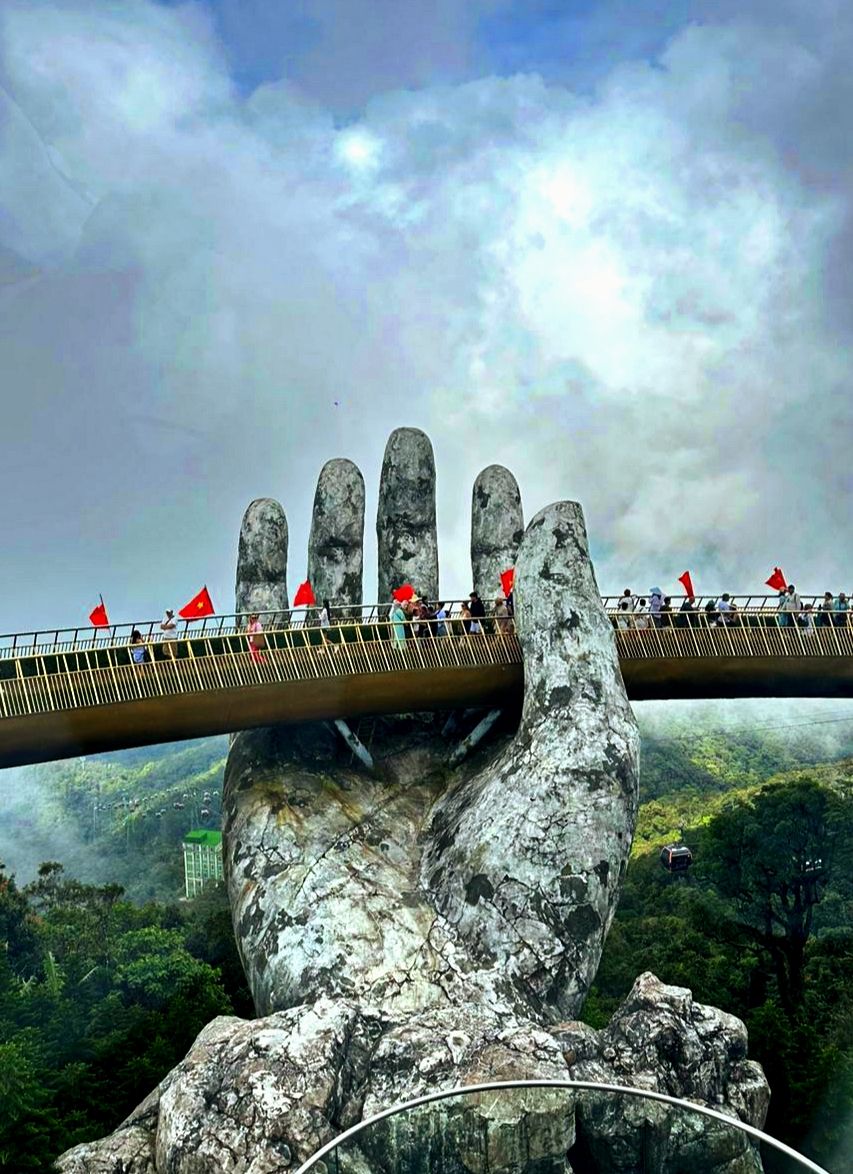
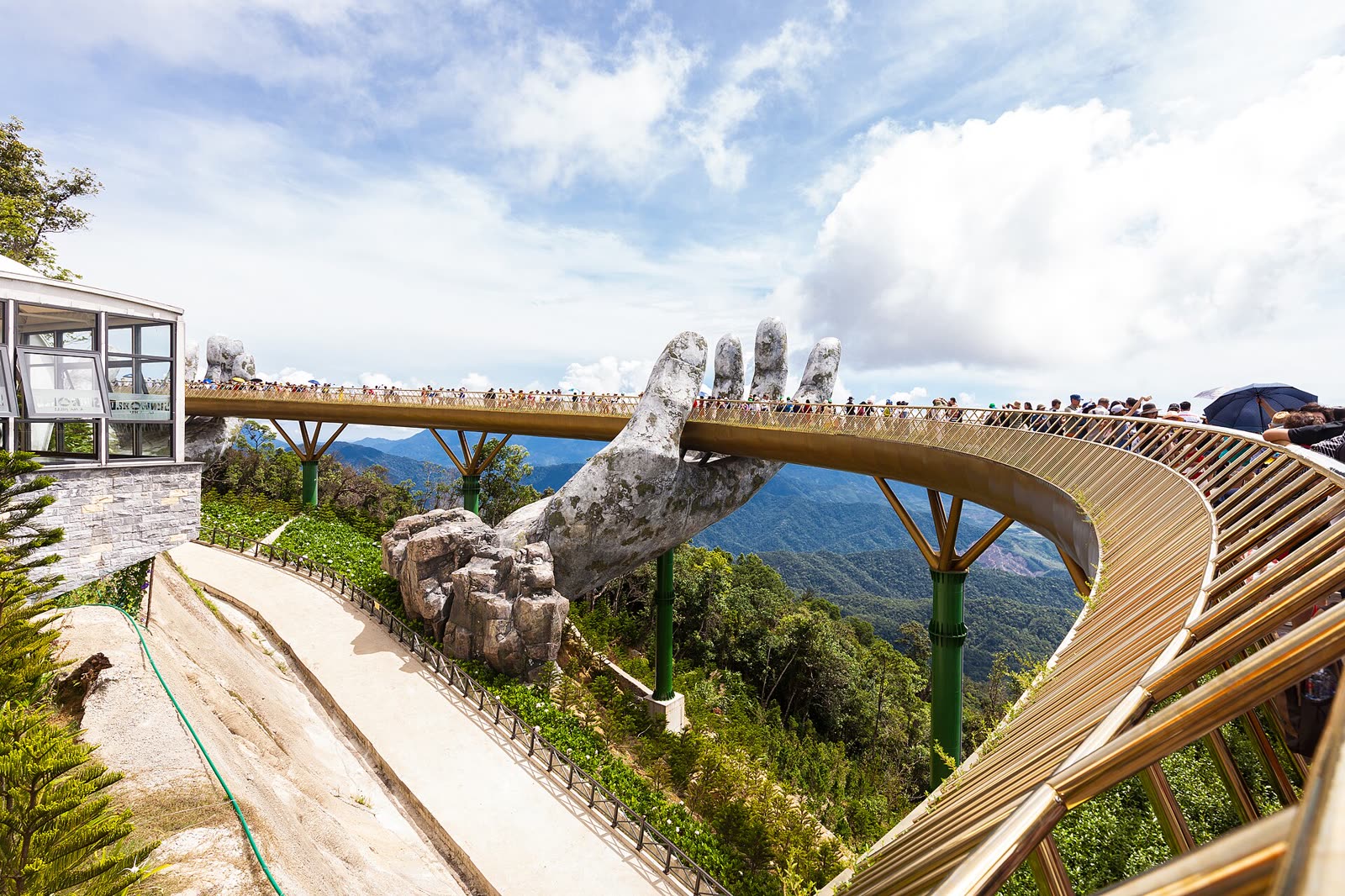
The Golden Bridge — a pedestrian walkway held aloft by two enormous stone hands — has become the defining image of Da Nang, and for once the reality holds up. At 1,400 metres above sea level the air is noticeably cooler than the city below, the views on a clear day stretch all the way to the coast, and on overcast mornings the bridge sits above the cloud line. That last part sounds like a brochure line; it is also just true.
The full Ba Na Hills complex is large: a French Village reconstruction with restaurants and shops, several themed ride zones, a wax museum, and the two cable-car stages that take you from the base to the summit. The lower cable car is one of the longest single-wire gondola runs in the world. Even if you are not interested in theme parks, the ride alone is worth doing.
What it costs: ₫1,000,000 per adult in 2026, which covers both cable car stages in both directions and entry to everything on the hill. Children between 1 m and 1.4 m pay less; under 1 m is free. The ticket is valid for up to three days, so if you want to split the visit across two mornings that is possible.
When to go: Arrive at opening (7:30 am). The crowd builds quickly after 9 am and the Golden Bridge in particular gets busy around mid-morning when tour groups arrive. Allow five to six hours for a comfortable visit; four if you move efficiently.
Getting there: Ba Na Hills is about 30 km from the city centre on a mountain road. Grab does not reliably cover this route. Most visitors arrange a return private transfer — expect to pay in the region of ₫300,000–₫400,000 each way from central Da Nang, though prices vary by operator. Tour packages that bundle the transfer and sometimes lunch are available and can be comparable in cost.
The full guide, including what to skip on the hill and how to avoid the worst crowds, is at /guides/ba-na-hills-golden-bridge-guide/.
Marble Mountains
Five limestone hills rise from the flatlands about 9 km south of the city, each named after one of the classical elements — water, fire, earth, wood, metal. Thuy Son (Water Mountain) is the one you visit. It has a network of cave temples cut into the rock, narrow tunnels connecting chambers, Buddhist shrines dating back centuries, and a viewpoint above Non Nuoc Beach and the South China Sea.
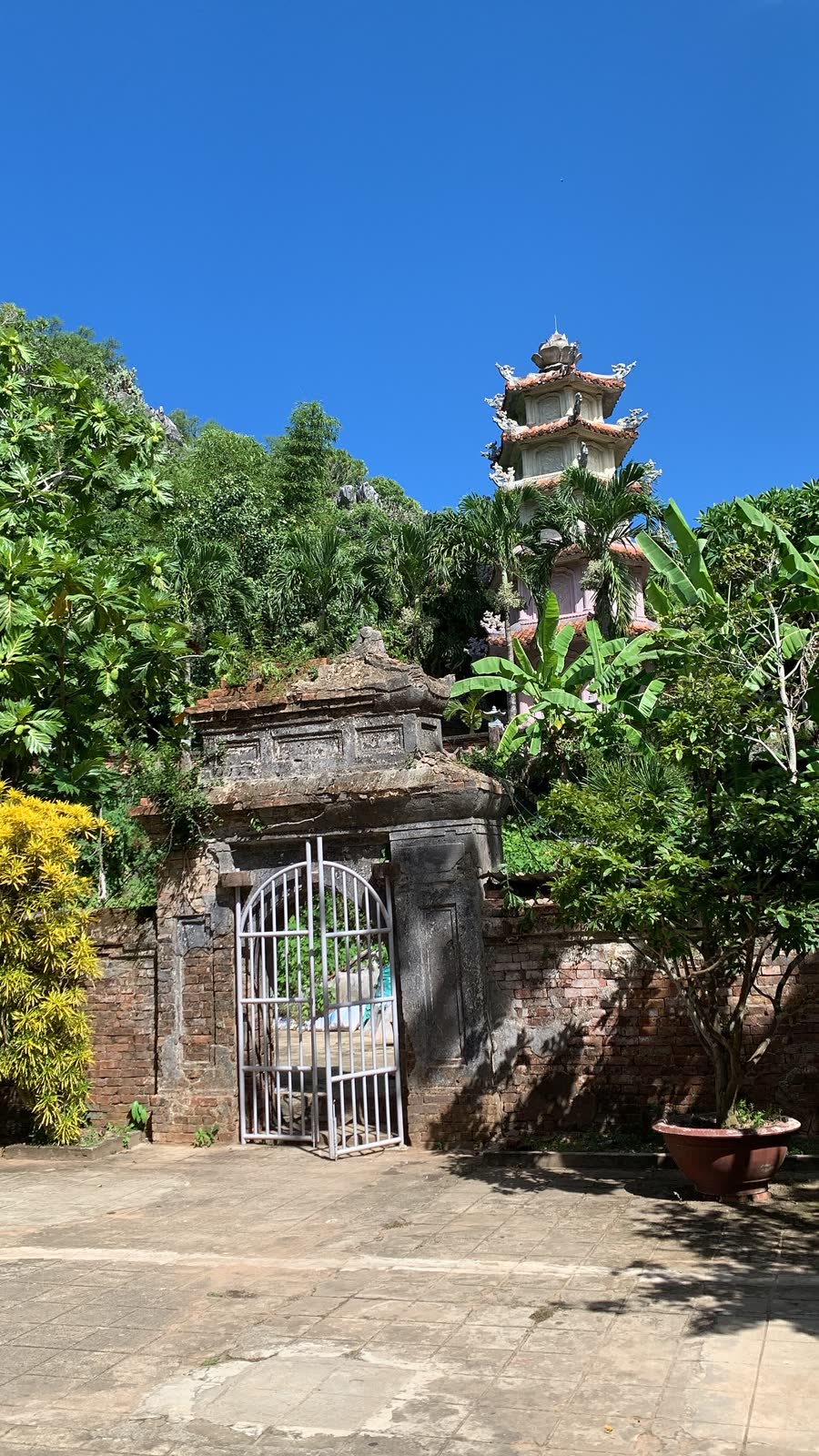
It will not hit you the way Ba Na Hills does, but it costs a fraction of the price and half the time. The caves are genuinely impressive — dark enough that you need your phone light, atmospheric enough that the pagodas inside them feel real rather than staged. The climb is steep in places; the lift saves your legs for the descent.
What it costs: ₫40,000 per person for entry. The lift up Thuy Son is an extra ₫15,000 each way — take it up, walk down if you want. Open daily 7 am to 5:30 pm.
Getting there: Grab from My Khe Beach takes about 15 minutes, roughly ₫30,000–₫50,000. Non Nuoc Beach is right at the base of the mountains, so you can pair the two.
The Marble Mountains guide covers the caves and viewpoints in detail, including which tunnels to prioritise.
My Khe Beach
My Khe is Da Nang’s city beach — a long arc of sand that runs for roughly 30 km along the coast east of the city centre. Most visitors stay on the central section near the resort strip, which is clean, uncrowded by Southeast Asian standards, and has decent waves for swimming from February through August.
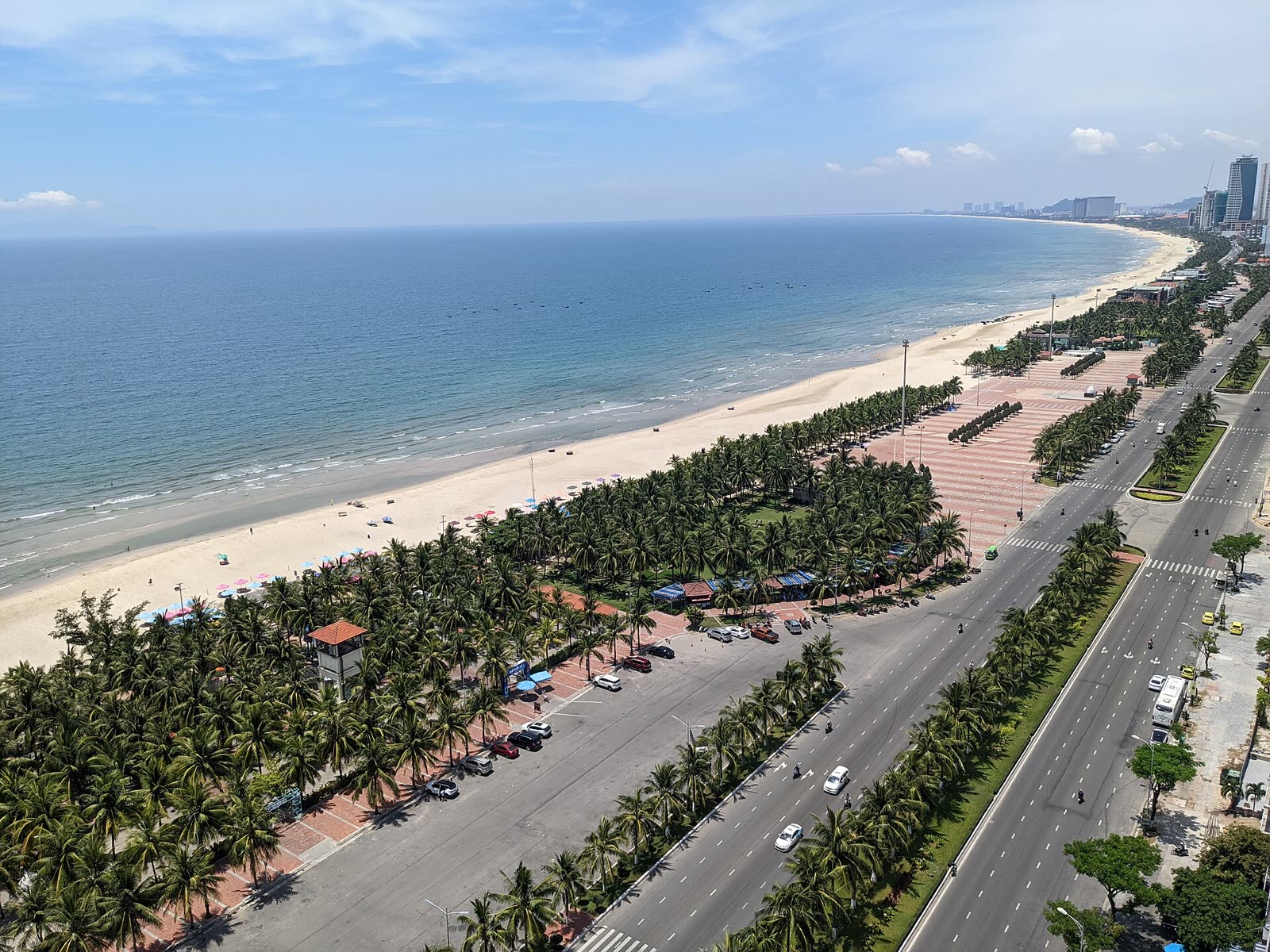
The beach is free. Deckchairs and umbrellas at beach bar setups run ₫30,000–₫50,000. The sea is calmest in the morning; by mid-afternoon an onshore breeze picks up. Red and yellow flags indicate conditions — red means stay out.
My Khe is walkable from most hotels in the beach district. Non Nuoc Beach to the south and An Bang Beach near Hoi An have a different atmosphere — quieter, less infrastructure. All three are covered in the beaches guide.
Son Tra Peninsula and Linh Ung Pagoda
Son Tra is the forested peninsula that extends into the sea northeast of the city. A single road spirals up through jungle — dense canopy on both sides — to Linh Ung Pagoda at the summit, where a 67-metre white marble Buddha stands on a terrace above Da Nang Bay. On a clear day you see the full sweep of coastline from the bay all the way south toward Hoi An.
The pagoda is free to visit and open daily. Dress modestly — bare shoulders and short shorts are not appropriate. Incense is cheap and available at the entrance; lighting a stick is fine if you want to.
Son Tra is also where the endangered red-shanked douc langur lives. The monkeys appear along the road in the upper sections, particularly in the early morning. They are not guaranteed but are common enough that if you drive slowly and look into the canopy you will likely see them.
Getting there: Hire a motorbike for the day and ride it yourself — the road is good quality, winding but not technical. A Grab car from the city centre runs ₫80,000–₫100,000 each way. Allow two hours for the round trip including time at the pagoda.
Dragon Bridge Fire Show
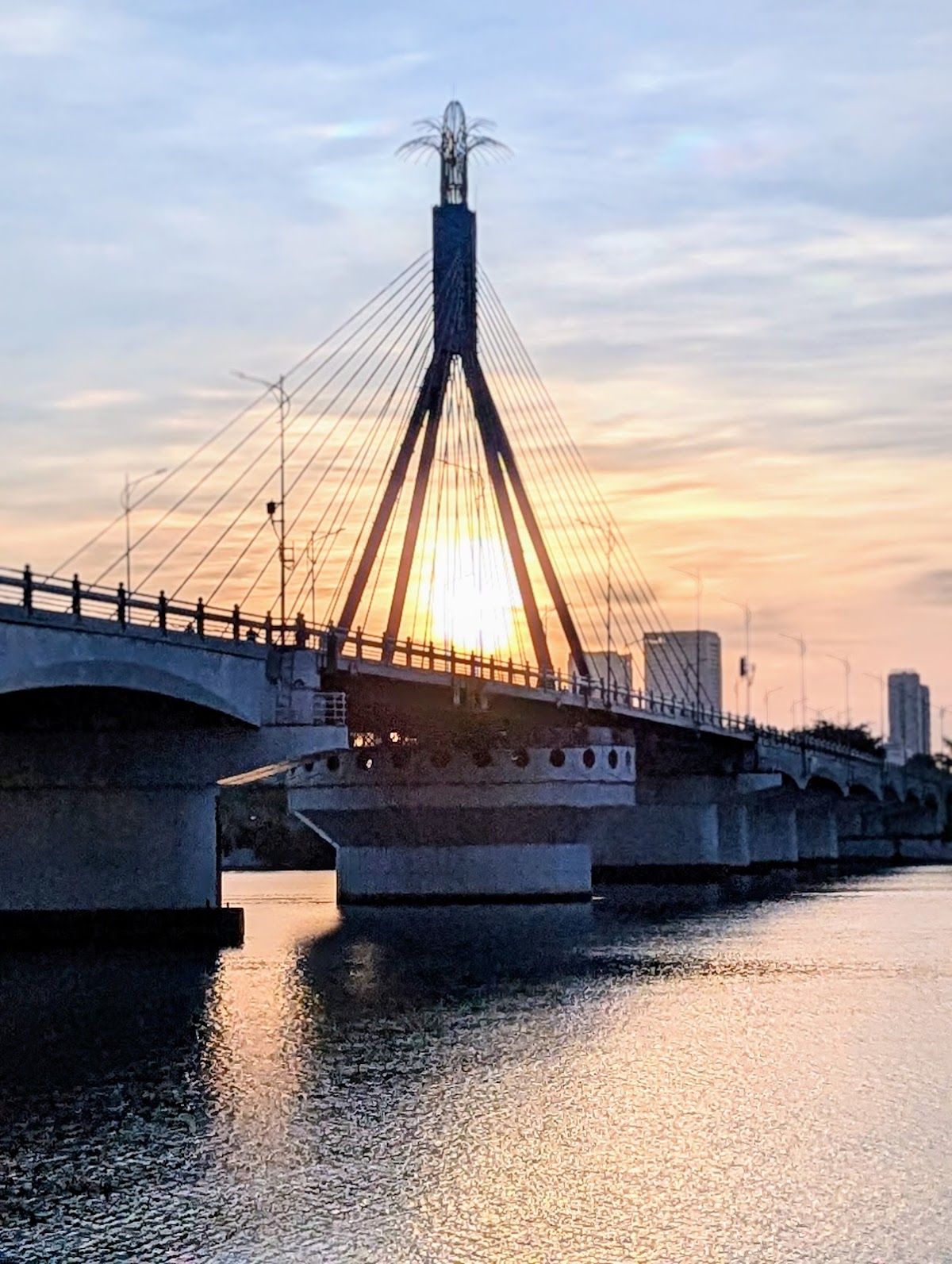
The Dragon Bridge crosses the Han River as a 666-metre steel dragon — body as road deck, head and tail at either end. Every Friday, Saturday, and Sunday at 9 pm, the dragon’s head breathes fire for about two minutes, then switches to a water spray. The whole performance lasts roughly 15 minutes.
It is free. No ticket, no booking. The riverbank on Bach Dang Street fills up from around 8:30 pm on weekends — arrive by 8:15 pm if you want a close position.
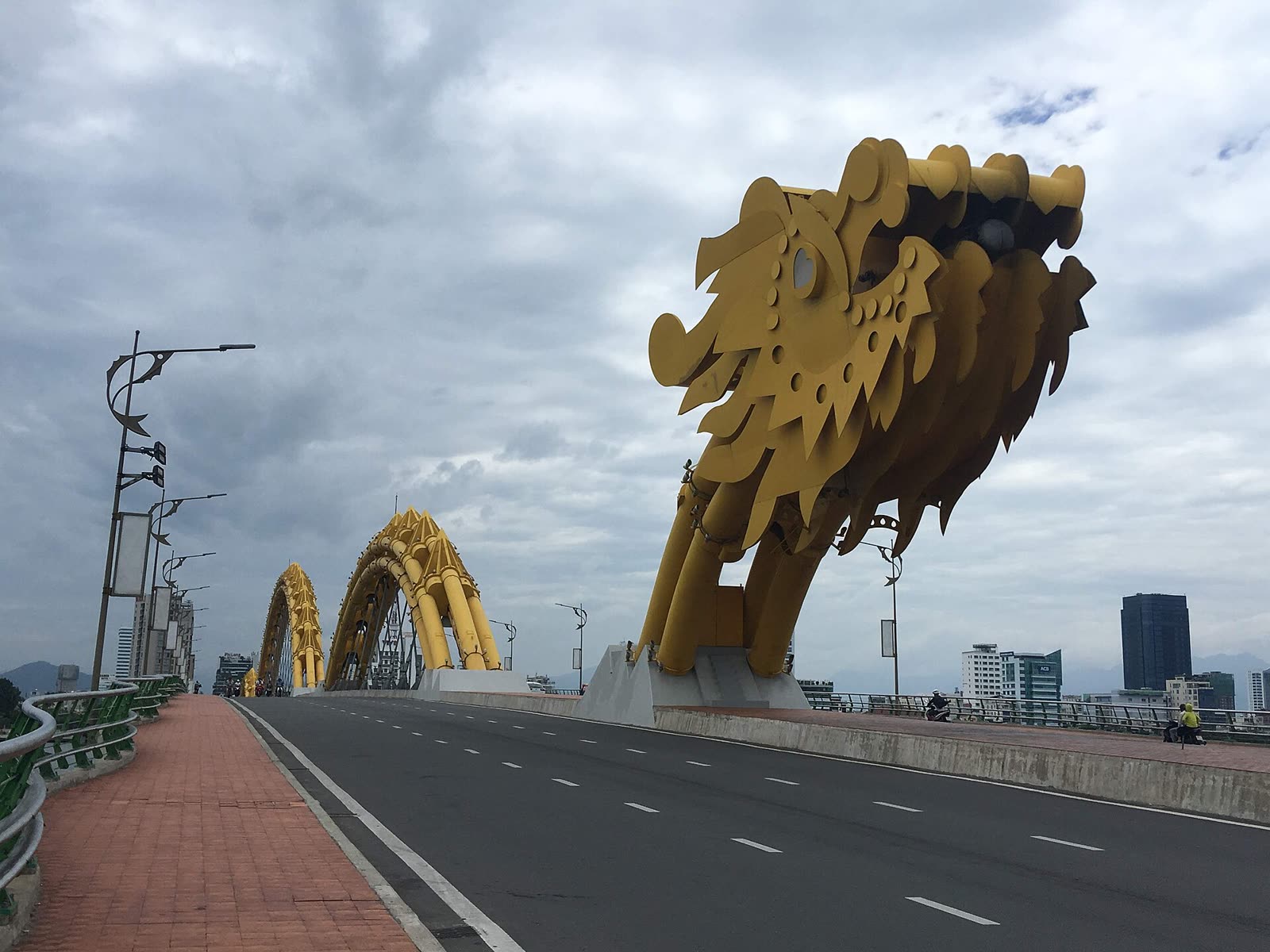
The water spray reaches further than you’d expect; standing directly in front of the head is going to get you wet.
The area around the river has bars and pho stalls that are open late. It is a good evening out — dinner on the river, show at nine, done by 9:30 pm.
Han Market
Cho Han is a covered market in the city centre, spread over three floors. The ground floor deals in produce — fresh fish, meat, vegetables, fruit. The upper floors have fabric, clothing, and tourist goods. It is busiest from around 6 am to noon.
Worth an hour if you are already in the area or want to eat breakfast at a local stall. Not worth going out of your way for. The banh mi and bun bo Hue stalls near the market’s edges are good.
For a fuller picture of where and what to eat in Da Nang, the food guide covers both city and Hoi An.
A Day in Hoi An
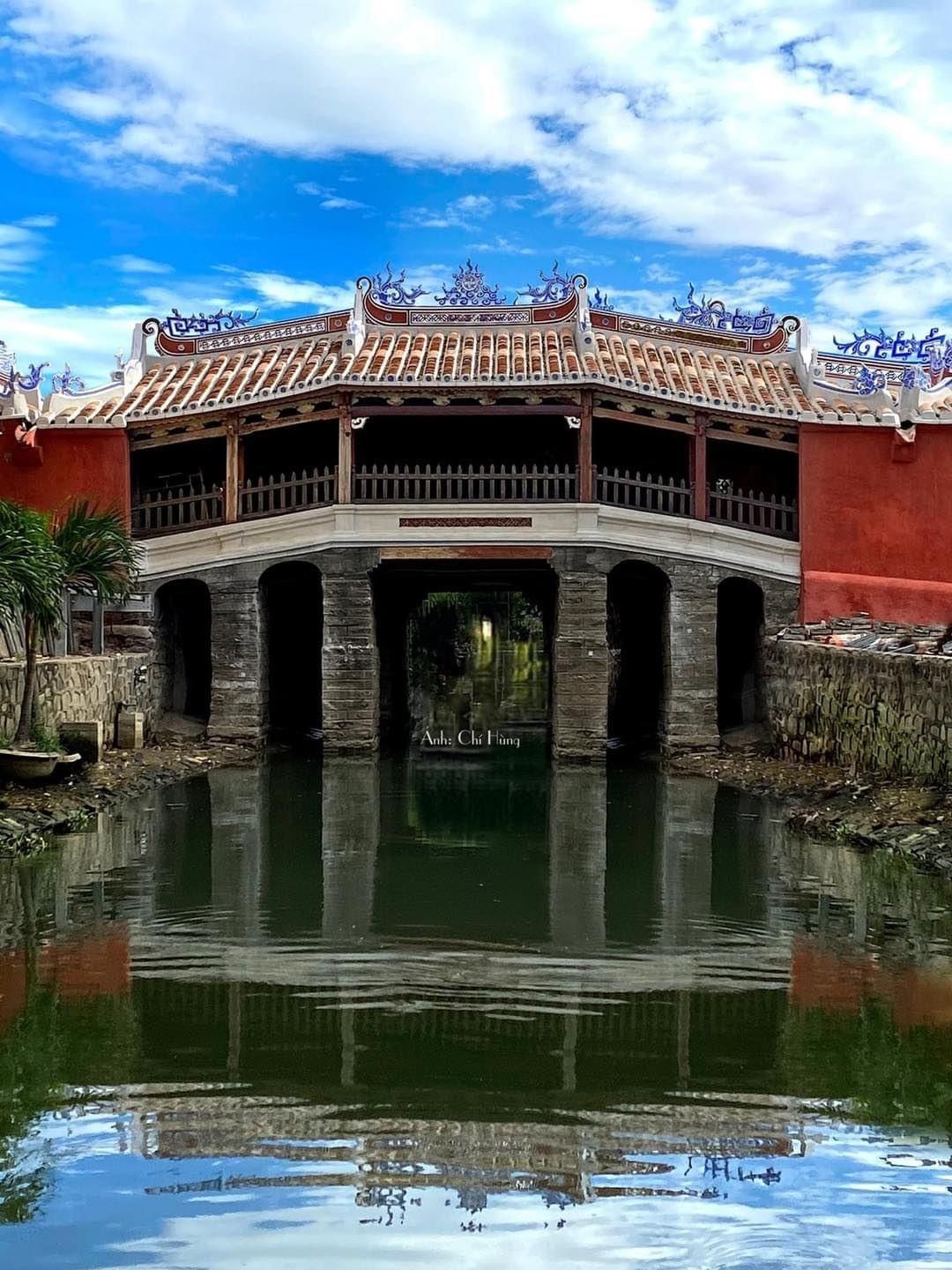
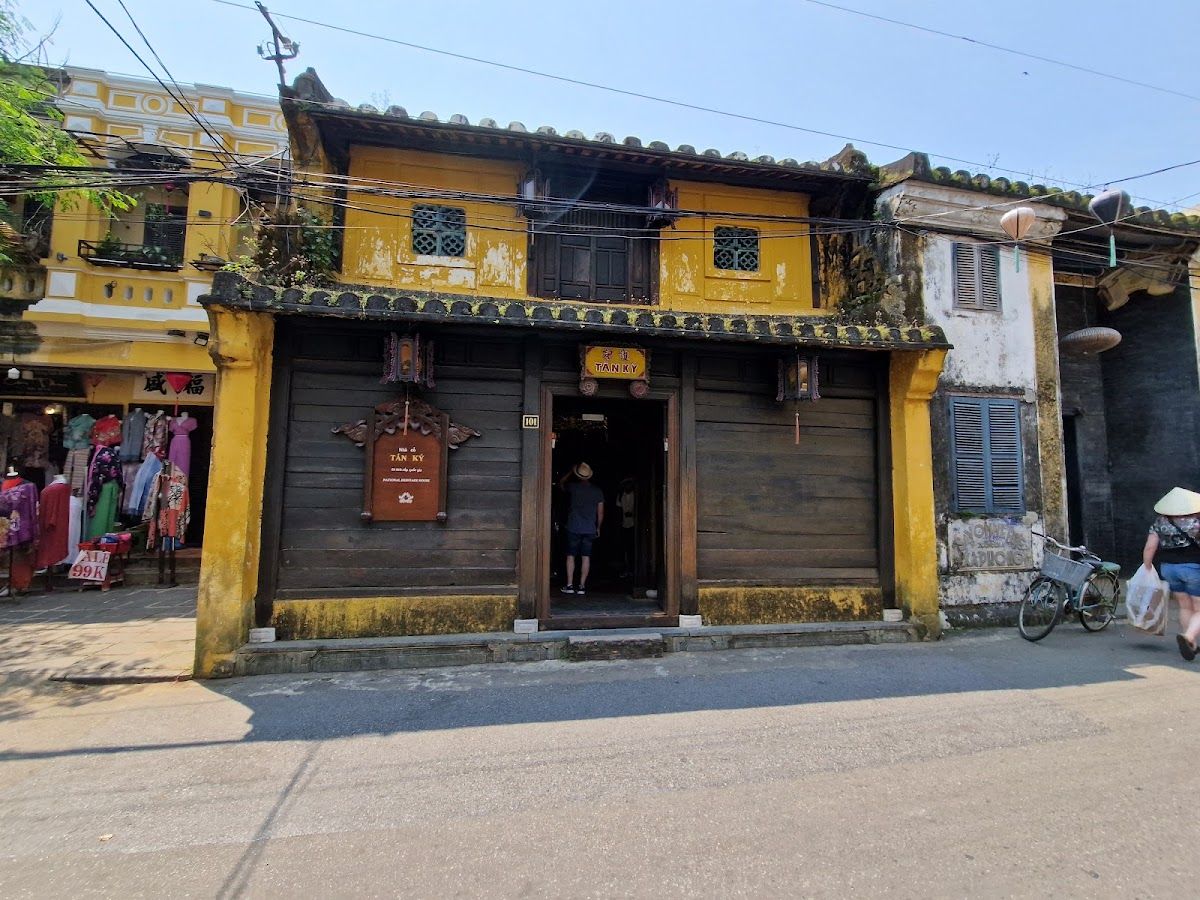
Hoi An is 30 km south of Da Nang and looks nothing like it — a UNESCO-listed ancient town of lantern-hung streets, 200-year-old wooden shophouses, a Japanese-era covered bridge, and a river lined with tailors and cafes. The entry ticket to the old town costs ₫120,000 and covers five of the 22 heritage sites (ticket staff tear off one stub per site visited).
The old town is at its best before 10 am and after 5 pm. Tour groups from Da Nang tend to arrive around mid-morning, and by noon the main streets are genuinely packed. Spend the morning in the lanes around the Japanese Covered Bridge, take lunch somewhere off the main drag, and head to An Bang Beach for the afternoon — a 15-minute Grab from the old town, quieter than My Khe, good for swimming.
Full-moon nights bring the lantern festival, when electric lights go out and the river fills with floating lanterns. The timing varies by the lunar calendar — check the month before you go.
Getting there from Da Nang: A Grab car runs ₫350,000–₫450,000 each way, about 45 minutes. Shared minibus services exist for less, but the drop-off and pick-up logistics are fiddly.
The Hoi An old town guide covers what to see, what to eat, and how to avoid the worst of the crowds.
Things worth skipping
The night market near the Dragon Bridge is priced for tourists. Hop-on hop-off buses are slower and more expensive than Grab. Son Tra is far better done independently on a motorbike than as a guided group tour.
Where to stay
Most visitors base themselves near My Khe Beach or in the city centre. The beach strip is better value for the money. Browse options by area and budget at /hotels/.
For the full list of things to do — including water sports, cooking classes, and day trips — see /activities/. A paced version of this list is the 3-day itinerary. The longer one, with My Son added, is the 5-day itinerary.
FAQ
What is the one paid thing worth doing in Da Nang?
Ba Na Hills, for the Golden Bridge and the cable car. The adult ticket is ₫1,000,000 in 2026. Marble Mountains is the cheap alternative at ₫40,000 if you only have a morning.
What can I do in Da Nang for free?
My Khe Beach, the Dragon Bridge fire show on Friday, Saturday and Sunday at 9pm, and Linh Ung Pagoda on Son Tra. Walking the Hoi An streets is free too. The ₫120,000 ticket is only for the heritage houses and the bridge interior.
How many days do I need?
Three days covers the city, one of Ba Na Hills or the Marble Mountains, and Hoi An. Doing both Ba Na and the mountains, plus My Son, needs the five-day plan.