


For most Central Vietnam itineraries, the question isn’t really “Da Nang or Hoi An” — it’s which one to put first, and how long to give each. But if you’re short on time, or committing to a single base, the two places feel genuinely different in ways that matter to different travellers. Da Nang is a city with a beach. Hoi An is a heritage town with a beach nearby. They share the same airport, sit 30 km apart, and take 30–45 minutes to travel between by car.
Quick facts
- Base in Da Nang if beach access, easy transport, city amenities and more affordable accommodation are your priorities. The right call for most beach-first trips.
- Base in Hoi An if atmosphere, lantern-lit evenings and walking everywhere matter more than a proper beach. Best for culture-focused trips and couples with more than a few days.
- Do both if you have 7+ days. Three to four nights in Da Nang, two to three in Hoi An is the standard split — it works well and lets you see both without rushing.
- Day-tripping is realistic from either city. A Grab between them costs ₫250,000–350,000 and takes 30–45 minutes, so you won’t miss what the other city offers regardless of where you base.
What Da Nang is actually like
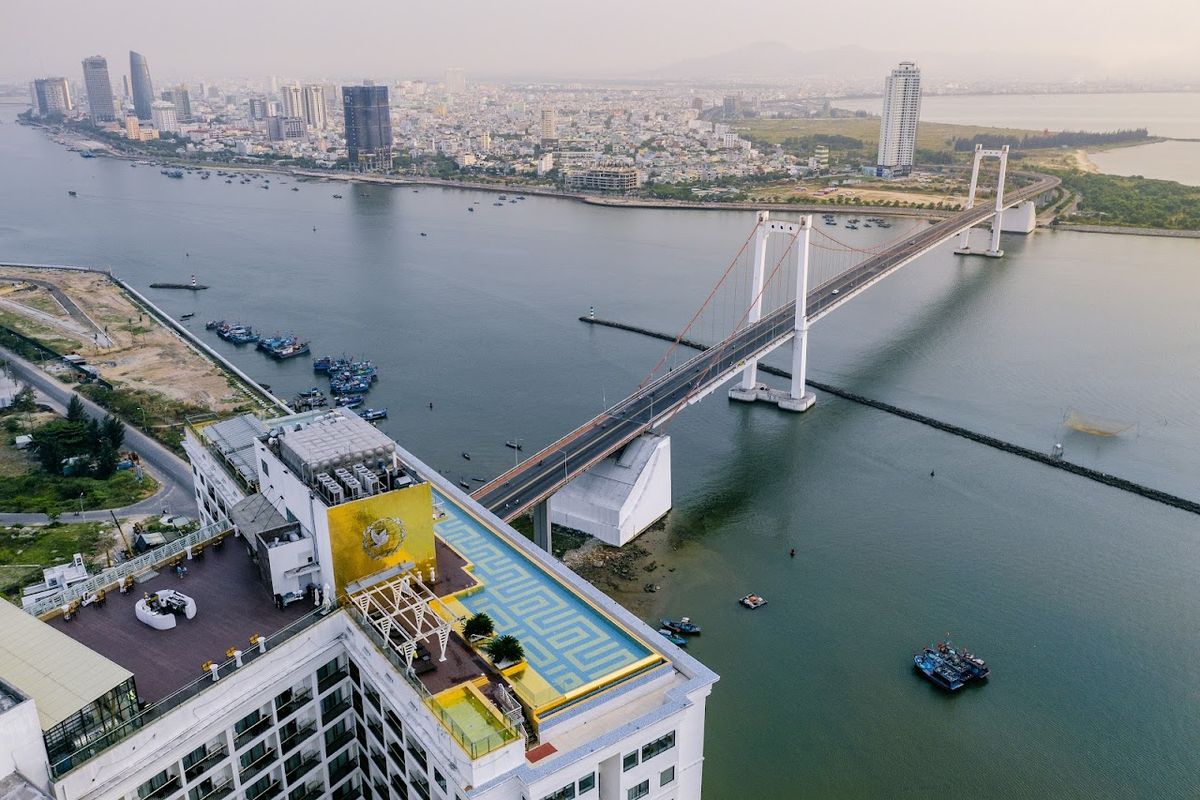
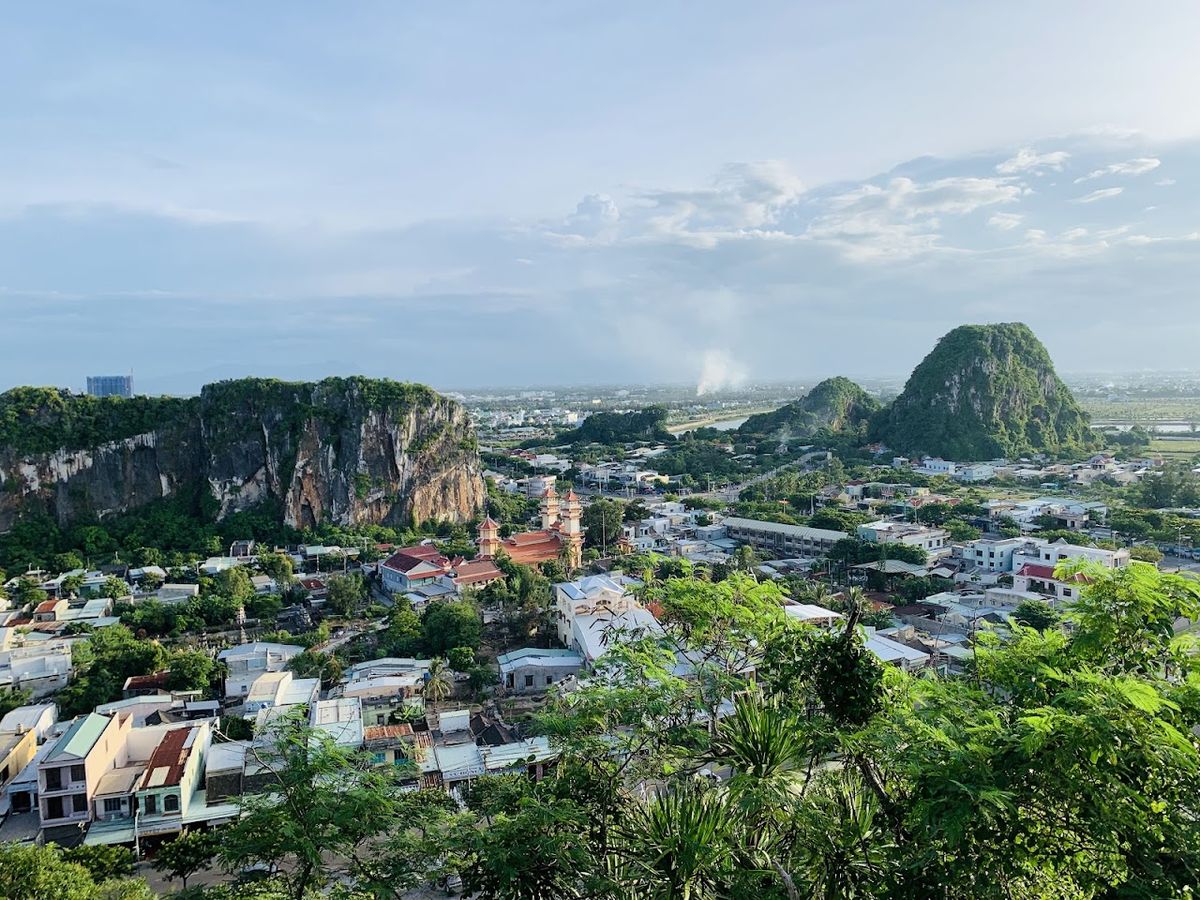
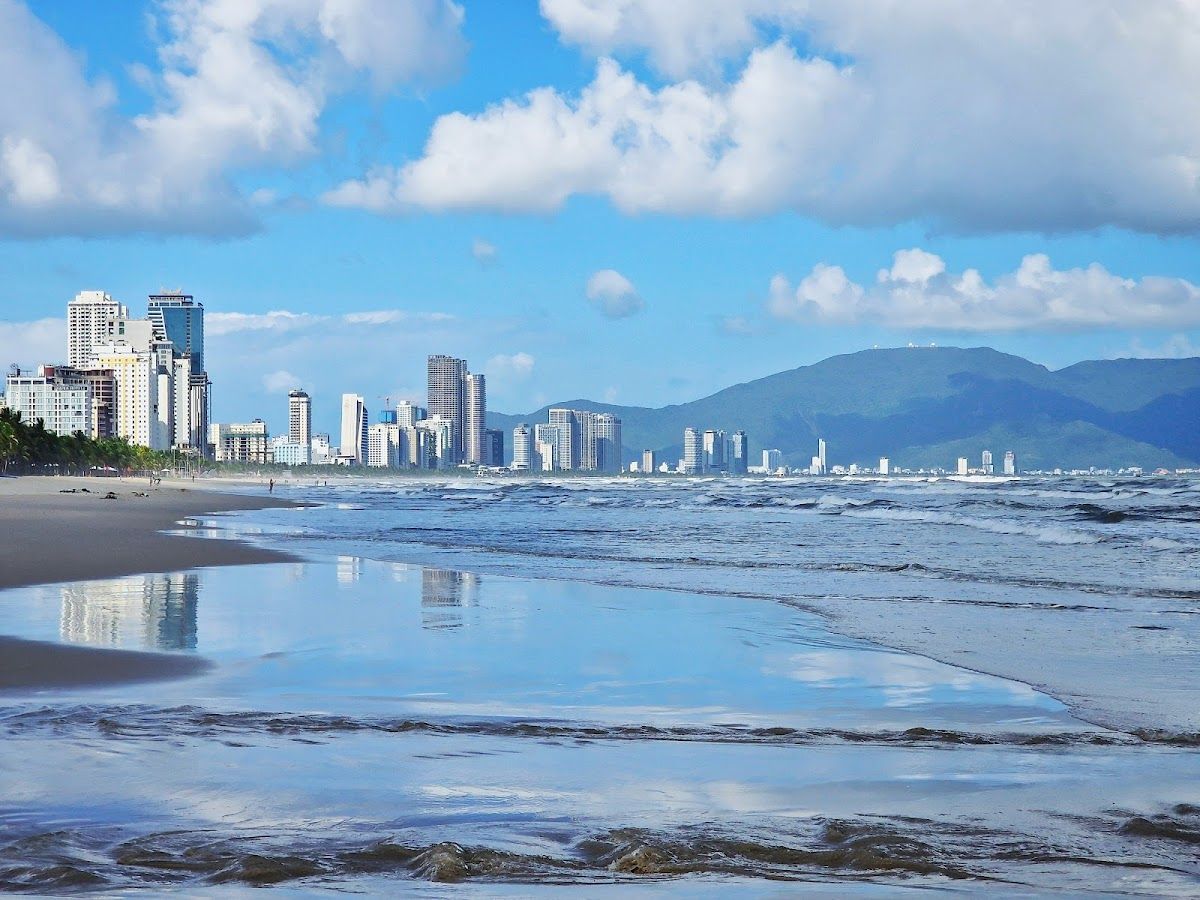
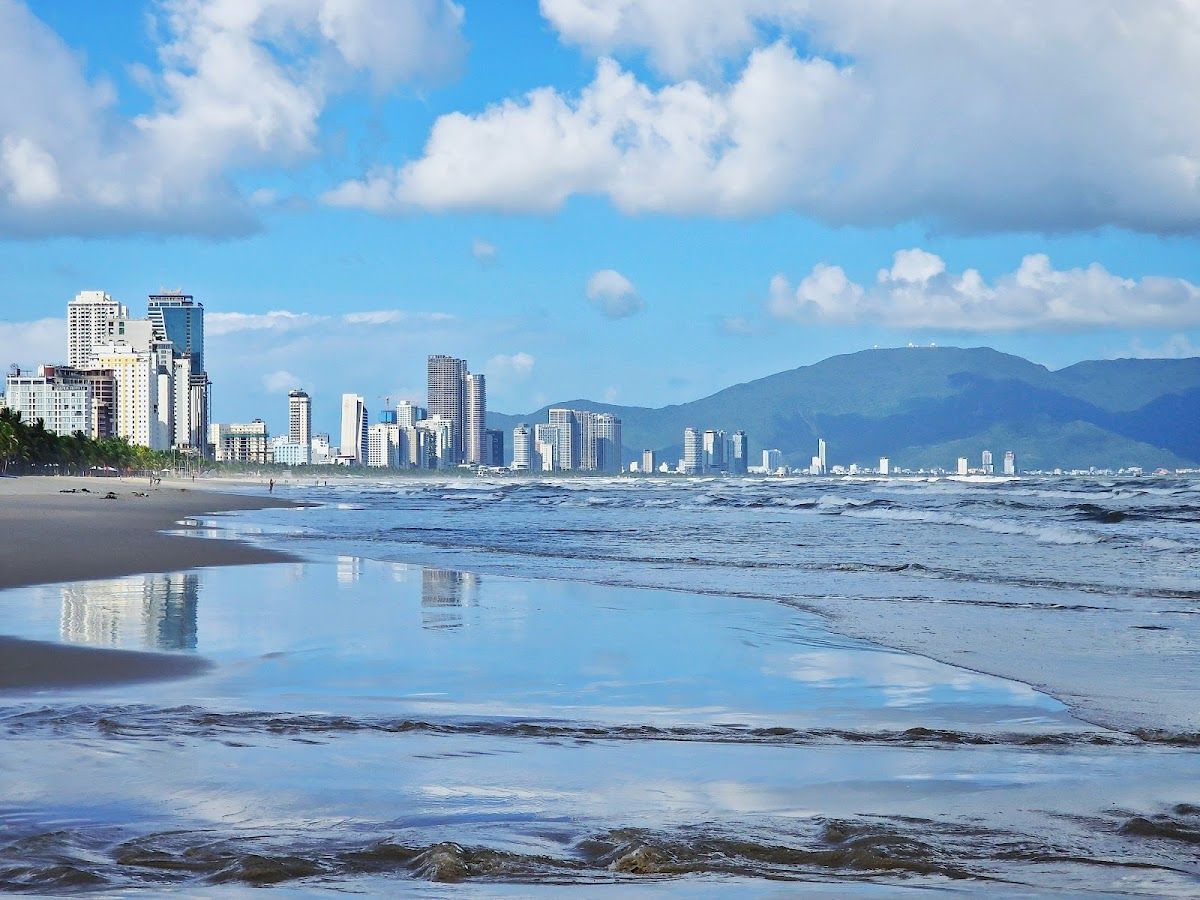
Da Nang is Central Vietnam’s main city and has changed fast in the last decade. The beachfront along My Khe — specifically Vo Nguyen Giap Street — is now a continuous strip of mid-range and upscale hotels, beach clubs, and seafood restaurants running for several kilometres. The Han River splits the city, with the Dragon Bridge connecting the beach side to the city-centre side. To the north, Son Tra Peninsula rises steeply from the sea, covered in jungle and home to the giant Lady Buddha statue at Linh Ung Pagoda. To the south, the Marble Mountains and Non Nuoc beach offer a quieter beach alternative with calmer water.
The vibe is modern and functional. Da Nang doesn’t have the personality of Hoi An or the layered chaos of Hanoi — but for a beach trip, that works in its favour. The beaches are good, the food is excellent (Mi Quang, Banh Xeo and fresh seafood are all strong local specialities), and the convenience is hard to argue with.

Airport access: Da Nang International Airport sits inside the city. A Grab to the My Khe beach strip costs ₫60,000–100,000, making it one of the cheapest airport-to-beach connections in Southeast Asia.
Good for: Beach-first travellers, families, shorter trips, people using the city as a hub for day trips to Ba Na Hills or Hue, and digital nomads who need reliable infrastructure and co-working options.
Not the right choice if: You want to feel immersed in Vietnamese history and character. Da Nang’s tourist-facing zones are polished but thin. The authentic local experience is there — particularly at Con Market, the Han Market, and in the local restaurant lanes — but it takes effort to find it beyond the beach strip.
What Hoi An is actually like
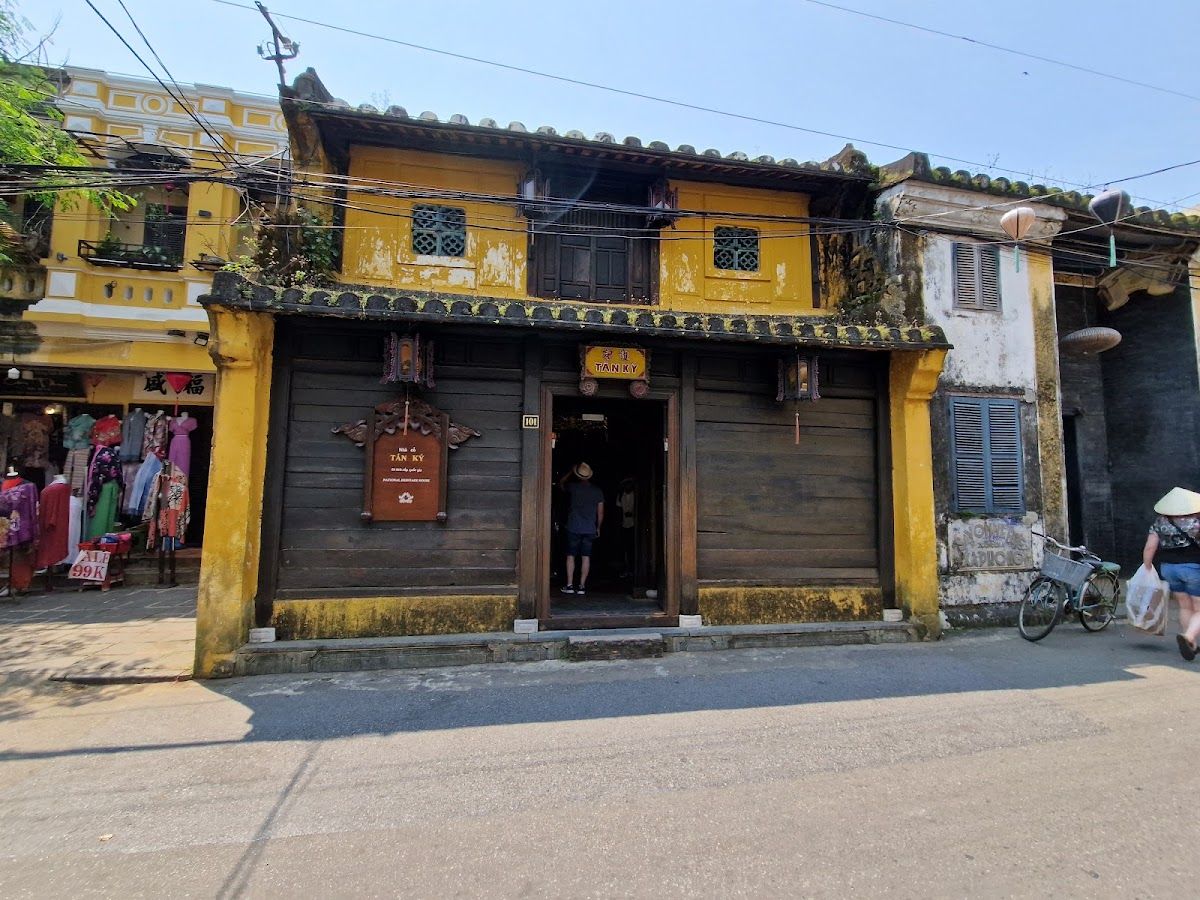
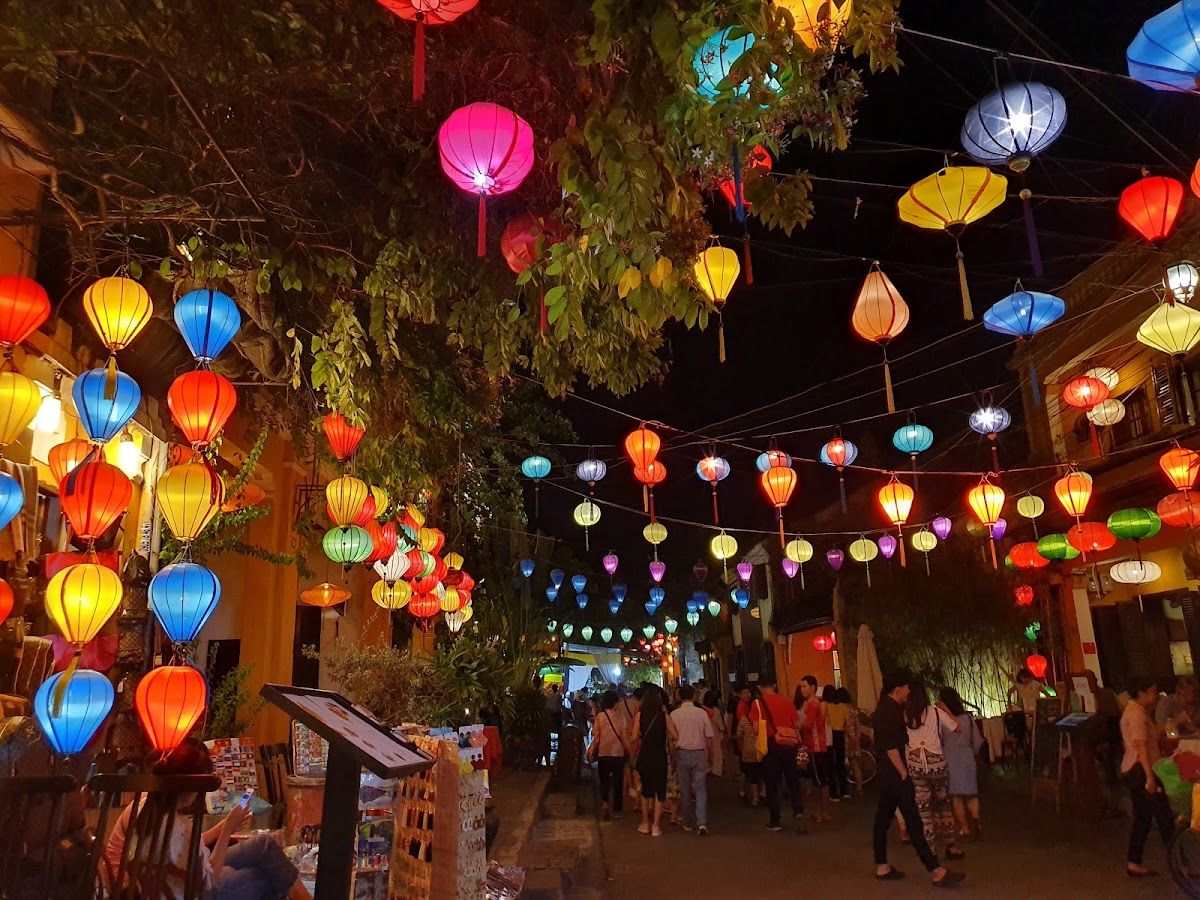
Hoi An’s Ancient Town is a UNESCO World Heritage site — a trading port from the 16th and 17th centuries with Japanese, Chinese and Vietnamese merchant architecture layered together. Yellow-plastered walls, carved wooden shutters, silk lanterns strung across narrow streets, a covered Japanese bridge, and a river at the southern edge of the old town. On full moon nights (the 14th of each lunar month), motorbikes and cars are banned from the ancient town and the streets fill with lanterns and candles on the water. It is genuinely beautiful.
It is also genuinely crowded in peak season (June–August and December–January). The Ancient Town runs on tourism in a way Da Nang doesn’t — many of the shops, restaurants and cafes are aimed at tour groups. It is beautiful, and in peak hours it can feel like a tour-bus queue. Late afternoons are much better than midday for walking the old town.
Entry to the heritage sites costs ₫120,000 for foreigners, which covers 5 of the 22 designated attractions (a booklet of tearable vouchers, one per site). Walking the streets, eating, and sitting by the Thu Bon River are all free. Full detail on the old town experience is in the Hoi An Old Town guide.

Outside the ancient town, Hoi An has riverside restaurants, craft cocktail bars, custom tailors (clothes made in 24–48 hours at competitive prices), and a large number of cooking class operators. An Bang beach is 4 km away — a relaxed café-bar beach with a different character from My Khe, but smaller and with fewer services.
Good for: Culture-first travellers, couples, heritage enthusiasts, foodies, anyone who wants a walkable evening scene with character. Tailors and cooking classes are a draw on their own.
Not the right choice if: Your trip is beach-heavy. An Bang is pleasant but a bike ride from town, and nothing like the scale or services of Da Nang’s beachfront. Hoi An also has very limited nightlife — if late nights or rooftop bars are part of your plan, Da Nang does that far better.
Beach: the clearest difference
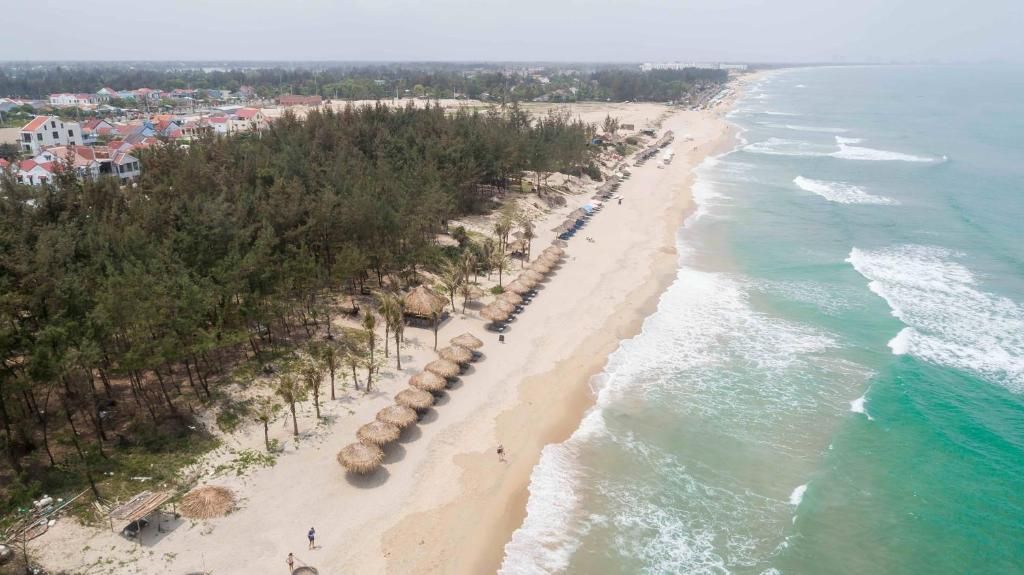
This is where the two cities diverge most sharply. Da Nang’s beaches — My Khe in particular — are long, wide, lifeguarded during the main season (February–August), and immediately accessible from most hotels on the beach strip. You walk out the front door and you’re on the sand. Sun loungers are available for ₫30,000–80,000, or free if you’re eating and drinking with the beachfront restaurants. Non Nuoc beach, farther south near the Marble Mountains, is calmer and better for families with young children.
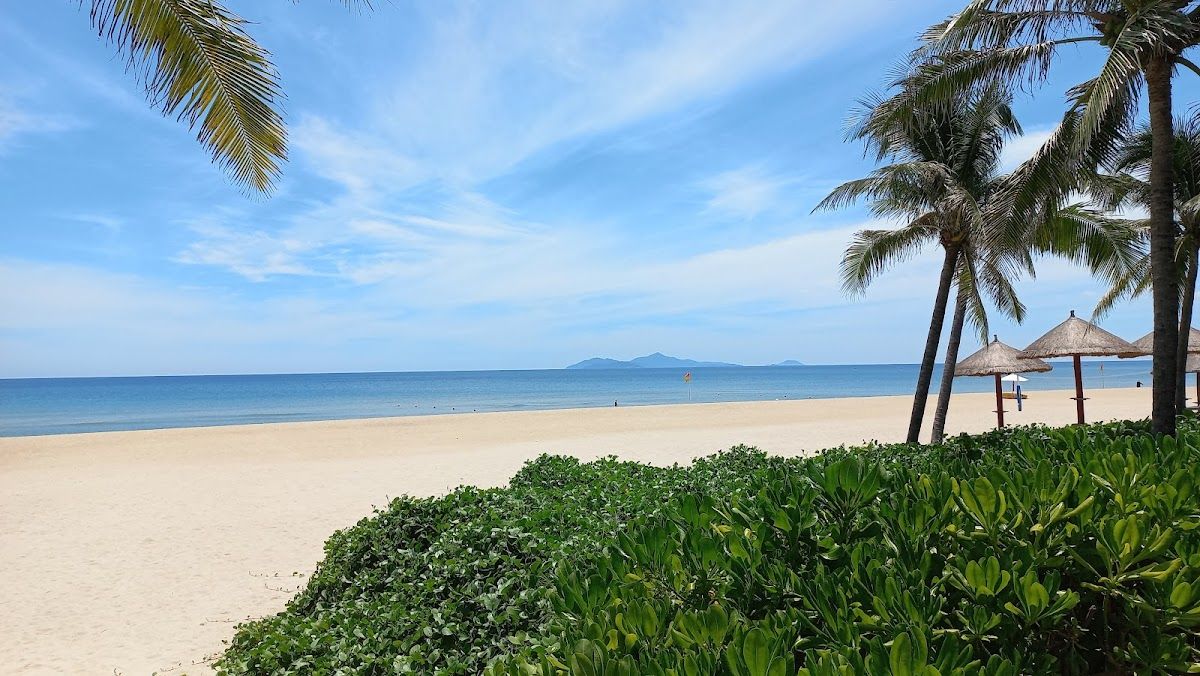
Hoi An has An Bang beach, 4 km from the Ancient Town. The beach has a genuinely good café-bar scene — places like Deckhouse and Shore Club offer sun beds on the sand, solid food and cold beer in an all-day setup. The water is clear in calm conditions. An Bang faces east, so it’s a sunrise beach rather than a sunset one — but the evenings are pleasant, with the café-bars lit up and the sky turning warm colours inland. But you need a ₫40,000–60,000 Grab or a 20-minute cycle to get there, and the beach itself is shorter with fewer services than My Khe.
If beach time is the main reason you’re coming to Central Vietnam, base in Da Nang. Hoi An’s beach is a bonus, not a reason to go.
Food
Both cities eat well. They taste different.
Da Nang’s signature dishes include Mi Quang (turmeric-yellow noodles with pork, shrimp, peanuts and herbs, served almost dry), Banh Xeo (crispy Vietnamese sizzling pancake filled with shrimp, pork and bean sprouts), and seafood of the sort that’s straight off the boat. The An Thuong area near My Khe has a good mix of restaurants, cafes and bars. Local market food along Le Dinh Duong and around Con Market is excellent and cheap. The Da Nang food guide has the full breakdown.
Hoi An has a tighter, more famous food identity. Cao Lau (thick pork-and-herb noodles that depend on water from specific local wells — reputedly not replicable elsewhere) and White Rose dumplings (Banh Bao Vac, translucent shrimp dumplings made by a single family) are dishes worth going out of your way for. Banh Mi Phuong on Phan Chau Trinh Street is one of Hoi An’s best-known bánh mì shops and worth a visit. The restaurant scene along Nguyen Phuc Chu and the lanes near the river offers good-value meals without needing to eat inside the tourist-heavy ancient town.
Verdict: Hoi An wins for iconic specific dishes and food character. Da Nang wins for mid-range variety and value.
Evenings and nightlife
Da Nang has Central Vietnam’s most active nightlife. The beach strip has rooftop bars, beach clubs, live music venues and a clutch of craft breweries. The Sky36 rooftop bar has views over the Han River and city. It’s not Bangkok or Ho Chi Minh City, but there’s enough to fill an evening or two without repeating yourself.
Hoi An is atmospheric but quiet at night. A few cocktail bars on Nguyen Phuc Chu Street do a good trade until midnight or so, and the riverside fills up in the evenings. On full moon nights the old town is spectacular. But if you’re after a proper late night, Hoi An doesn’t really offer one — and most visitors find the atmosphere so good that they don’t particularly miss it.
Day trips from each city
For day trips, the base matters less than people think. The major day trips in the region are accessible from both cities:
- Marble Mountains — better from Da Nang (15-minute Grab from the city, ₫40,000 entry). A manageable add-on to a beach day.
- My Son Sanctuary — ancient Cham temple ruins, 40 km southwest. Tours typically depart from Hoi An, where the tour operators are concentrated, but it’s doable from Da Nang too.
- Ba Na Hills and Golden Bridge — operated by a cable car resort, closer to Da Nang. Most tours depart from Da Nang.
- Hue — 100 km north of Da Nang via the Hai Van Pass. Better as an overnight or a long day trip from Da Nang.
- Hoi An itself — 30–45 minutes from Da Nang, an obvious day trip if you’re based in Da Nang.
The day trips from Da Nang guide covers the full range with timing, prices and practical notes.
Getting between the two
A Grab car between Da Nang and Hoi An costs ₫250,000–350,000 one way and takes 30–45 minutes in normal traffic (add 10–15 minutes during Da Nang rush hour: 7–9am and 5–7pm). That’s a reasonable one-off trip but adds up quickly if you’re making the return journey daily.
The LK02 public bus (previously called the Yellow Bus #1) runs between the two cities for ₫15,000–35,000 and takes around 70 minutes. It stops at multiple points along the way including the Marble Mountains — useful for budget travellers, less useful if you’re loaded with luggage or need a specific arrival time.
Private car transfers arranged through your hotel run around ₫500,000–700,000 for the whole car, making them better value than Grab for groups of three or more.
| Option | Cost (one way) | Time |
|---|---|---|
| Grab car | ₫250,000–350,000 | 30–45 min |
| LK02 public bus | ₫15,000–35,000 | ~70 min |
| Private car | ₫500,000–700,000 | 30–45 min |
| Taxi (metered) | ₫300,000–400,000 | 30–45 min |
Basing yourself in one and visiting the other? 12Go lists buses, vans and taxis from Da Nang to Hoi An Ancient Town, with fares from VND 156k (checked 13 Oct 2026). Compare Da Nang to Hoi An on 12Go
Accommodation and cost
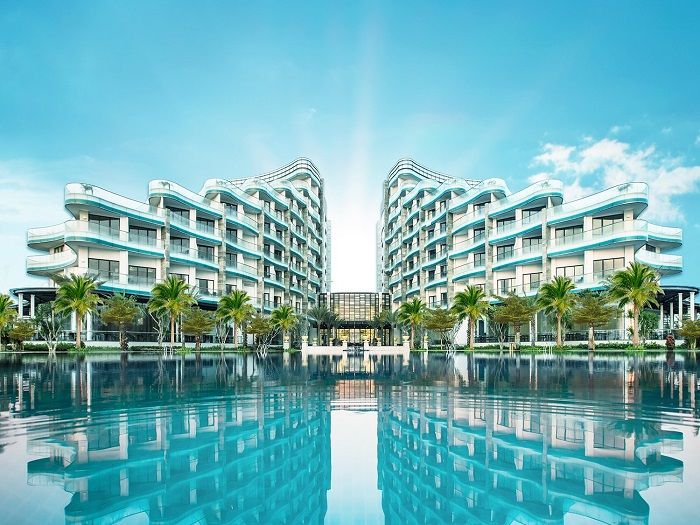
Da Nang has more accommodation at more price points. Budget guesthouses near My Khe run $15–30 per night. Mid-range hotels on the beach strip run $40–90. The luxury end — InterContinental on Son Tra, Hyatt Regency at Non Nuoc, Meliá Danang Beach — starts around $120 and goes well above that.
Hoi An near the Ancient Town starts at $20–45 for simple guesthouses. Riverside boutique hotels in the $55–90 range are the sweet spot for most visitors. Resort properties south of the town toward An Bang beach run $90–160 for a solid experience with a pool.
| Da Nang | Hoi An | |
|---|---|---|
| Budget guesthouse | $15–30/night | $20–45/night |
| Mid-range hotel | $40–90/night | $55–90/night |
| Luxury resort | $120–350+/night | $90–250+/night |
| Beach at the door? | Yes (My Khe strip) | No — 4 km to An Bang |
| Airport transfer | ₫60,000–100,000 Grab | ₫250,000–350,000 Grab |
The full breakdown of Da Nang accommodation zones is in the where to stay in Da Nang guide.
The verdict
Da Nang is the better base for most trips — particularly beach-focused ones, family trips, shorter stays, and anyone wanting an easy transit hub. It’s more convenient, has a wider range of accommodation at all budgets, and costs less to reach from the airport.
Hoi An is worth prioritising if atmosphere and culture matter more than convenience. The ancient town experience at night — particularly on a full moon night — is genuinely unlike anywhere else in Vietnam. Staying in Hoi An and day-tripping to Da Nang for the beach and Marble Mountains is a sensible structure for a culture-first trip.
For most people with 6+ days in Central Vietnam, the answer is both. Three nights in Da Nang (beach, orientation, Son Tra), two to three nights in Hoi An (ancient town, food, tailors) is a well-tested split that doesn’t feel rushed.
FAQ
Is it better to stay in Da Nang or Hoi An? Da Nang is the better base for beach-first trips — the beach is at your door, transport is easy, and accommodation is generally cheaper. Hoi An suits culture-first travellers willing to trade beach access for atmosphere. If your trip is 7+ days, stay at both.
How far is Hoi An from Da Nang? About 30 km by road. A Grab takes 30–45 minutes and costs ₫250,000–350,000. The Yellow Bus #1 runs for ₫30,000 but takes 60–90 minutes.
Can you day-trip between the two? Yes, easily. Most visitors day-trip Hoi An from Da Nang, or visit Da Nang’s beaches on a day trip from Hoi An. If you’re making the trip daily, the cost adds up — ₫500,000–700,000 return — and it’s more efficient to split your stay.
Which is better for families? Da Nang. The beaches are wider and lifeguarded, there are more mid-range family hotels, and Ba Na Hills is closer. Hoi An is fine for a day but the ancient town gets very busy in peak season.
Is Hoi An more expensive than Da Nang? Slightly. Mid-range hotels in Hoi An start around $55–90 per night versus $40–90 in Da Nang. Street food prices are similar.
Which city has better nightlife? Da Nang by some distance — rooftop bars, beach clubs, and live music venues on the beach strip. Hoi An has a few cocktail bars and a great atmosphere on full moon nights, but no real late-night scene.