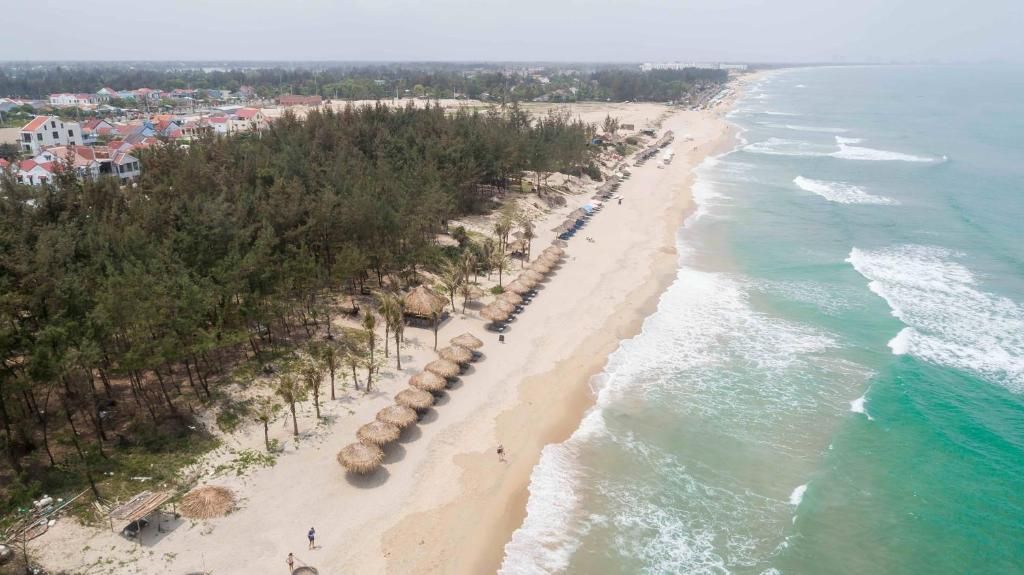




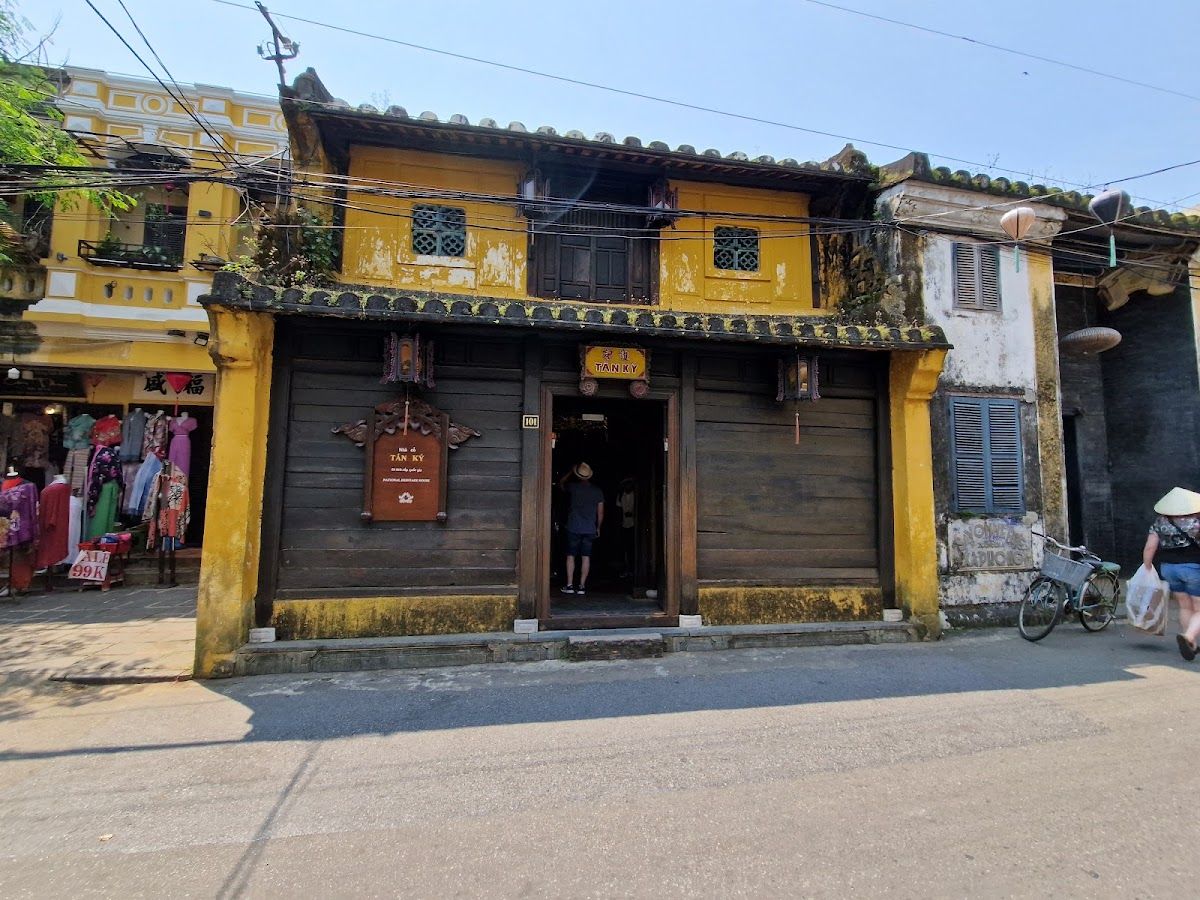

Hoi An is 30 km south of Da Nang — close enough to do as a day trip, far enough that the wrong transport choice costs you time and money. The distance is simple; the options are not. Here is every way to get there, what each actually costs in 2026, and which one to use depending on your situation.
Quick facts
- Grab (GrabCar): ₫200,000–350,000, 40–55 minutes — best for most travellers
- GrabBike: ₫80,000–120,000, 40–50 minutes — solo, no luggage only
- Bus LK-02: ₫30,000–35,000, 60–90 minutes — cheapest, needs patience
- Private car/transfer: ₫350,000–500,000, 40–55 minutes — best for groups or a Marble Mountains stop
- Motorbike rental: ₫150,000–250,000/day — scenic, for confident riders only
- Easy Rider (guided pillion): ₫400,000–600,000 — the scenic option without the risk
Grab: the standard option for most people
For most travellers, book a GrabCar. The price is locked before you commit, the car is air-conditioned, and driver supply on the Da Nang–Hoi An corridor is reliable.
GrabCar (standard 4-seater) from Da Nang city or My Khe Beach to Hoi An Ancient Town runs ₫200,000–350,000 in 2026. Journey time is 40–55 minutes on the coastal road in normal conditions. Surge pricing can push fares toward ₫400,000 on rainy afternoons or during the 5–8 pm peak — if timing is flexible, booking at 10 am or mid-afternoon avoids most of it.
GrabBike (motorbike taxi) runs ₫80,000–120,000 for solo travellers with a day pack. Not practical with a suitcase, and not the right call for anyone uncomfortable on the back of a motorbike on a 30 km highway. For one person travelling light, it is very cheap and only marginally slower than a car.
Practical notes:
- Pick-up in Da Nang city centre is straightforward; on the My Khe Beach strip, driver availability thins slightly mid-morning — give yourself five minutes.
- Hoi An drop-off: most Grab cars stop in the buffer zone around the Old Town perimeter, typically on Nguyen Duy Hieu or Tran Hung Dao streets, a 5–10 minute walk from the Japanese Bridge. The Ancient Town core restricts vehicle access, so the final stretch is always on foot. Confirm the drop-off point with your driver before you go.
- Return from Hoi An: Grab supply in Hoi An is noticeably thinner than Da Nang. Book 15–20 minutes before you need the car and don’t leave it last-minute before a flight. If Grab is slow, local meter taxis queue along Phan Chu Trinh Road near the Old Town.
Bus LK-02: the cheap option
The public LK-02 bus connects Da Nang and Hoi An for around ₫30,000–35,000 — roughly $1.20–1.40 USD. It runs every 15–30 minutes from 5:45 am to 6:00 pm daily. Journey time is 60–90 minutes with stops.
How to catch it from Da Nang:
The LK-02 starts at Vietnam-Korea University Bus Station (Dai hoc Viet Han) in north Da Nang and runs south along Nguyen Tat Thanh road toward Hoi An. For travellers staying on the My Khe Beach strip or in the city, board at any stop on Nguyen Tat Thanh — use Google Maps to find the nearest stop to your hotel. The Da Nang Main Bus Station (Ben Xe Da Nang) on Ton Duc Thang is a different terminal serving long-haul intercity routes; the LK-02 does not pass through it.
The LK-02 does not stop at Da Nang Airport. The nearest stop is on Nguyen Tat Thanh, a short Grab from the terminal. Most airport arrivals heading straight to Hoi An are better served by a direct Grab or private transfer.
The Hoi An end: The bus calls at Hoi An Bus Station on Hoang Dieu Street (about 1.5 km west of the Old Town) and then continues to its final stop at Cua Dai Port parking area. Getting off at Hoi An Bus Station is the most practical for the Ancient Town — a ₫30,000–40,000 Grab or a 20-minute walk from there. Some passengers get off at stops nearer the Old Town buffer zone on Nguyen Tat Thanh — ask the conductor when you board.
Who this works for: Budget travellers with time to spare and minimal luggage. Moving cities with bags? Use Grab or a private transfer.

Private car: best for groups and scenic stops
A pre-booked private car from Da Nang to Hoi An costs ₫350,000–500,000 for a standard 4-seater and ₫500,000–700,000 for a 7-seater minivan. The driver waits at your hotel, the price is fixed, and the car drops you as close to the Ancient Town as vehicle restrictions allow — typically on the perimeter roads, a 5–10 minute walk from the core.
For groups of three or four, a private car splits to under ₫150,000 per head — at that point it beats Grab on price per person and adds luggage space and no app juggling. For two people, Grab is cheaper.
The real reason to pay for a private car is that drivers will stop on request. The Marble Mountains sit right on the coastal road, about 13 km south of Da Nang city centre. A private transfer can stop there for an hour or two while the driver waits, then continue to Hoi An.

This makes it the natural vehicle for a day that combines both — and the Marble Mountains are worth the detour.
Standard private car bookings are available through your hotel concierge, Klook, or local transfer operators on the My Khe Beach strip. Confirm the Marble Mountains stop in advance; not all drivers include it by default.
Motorbike: scenic, for confident riders
Renting a semi-automatic or automatic scooter in Da Nang costs ₫150,000–250,000 per day from rental shops in the An Thuong area or along Vo Nguyen Giap beach road. The ride to Hoi An takes 45–60 minutes on the coastal road south, passing Non Nuoc Beach and the Marble Mountains on the way.
The route is genuinely good — open road, ocean to the left, the mountain cluster ahead. Arriving in Hoi An on your own schedule is a real advantage — though note that the Ancient Town walking and cycling zones restrict motorised traffic during set hours; park near the buffer zone and walk in.
Don’t rent a scooter for this route if Vietnam is your first time riding in traffic. Intersections are busy, motorbikes filter freely, and lane discipline is approximate. Rain arrives quickly on Da Nang’s coast and makes roads slick without much notice. Your travel insurance needs to explicitly cover motorbike riding — many policies don’t without an add-on.
Easy Rider is the middle ground: a local guide rides the motorbike, you ride pillion. You get the scenery and the freedom to stop wherever you like, without managing the machine yourself. Cost is ₫400,000–600,000 for a guided trip to Hoi An with stops included. Find Easy Rider drivers through your hotel or the An Thuong guesthouse strip — look for the hand-painted signs.
Day trip vs moving: the real question
Hoi An works as a day trip from Da Nang. 40 minutes each way, a full day in the Ancient Town and An Bang Beach, back by dinner — it works, and many travellers do exactly this.
If you want Hoi An’s evenings — the lantern light on Nguyen Hoang Street after 6 pm is a different experience from daytime, and the restaurant scene genuinely warrants two or three nights — then moving there makes sense. The two cities are close enough that you can always Grab back to Da Nang for a beach morning, then return.
For the full breakdown of which base suits which trip, the Da Nang vs Hoi An guide covers it directly.
What to do when you get there
The Hoi An Old Town guide covers the essentials: the Japanese Bridge, the Ancient Town entry ticket, An Bang Beach, the tailors, and where to eat. From any standard drop-off point, the Ancient Town core is easily walkable.

The heritage zone entry ticket costs ₫120,000 and gives access to five sites of your choice from a list of 23. The Japanese Bridge (Chua Cau) is one of those 23 sites — entering the small temple inside the bridge uses one of your five entries. You can walk across the bridge itself and photograph it from the bank without spending an entry; it’s entering the temple chamber that requires the ticket.
Getting back to Da Nang
By Grab: Same price range as the inbound — ₫200,000–350,000, 40–55 minutes. Book 15–20 minutes before you need the car; Hoi An driver supply is thinner than Da Nang’s.
By bus: LK-02 runs back on the same schedule — 5:45 am to 6:00 pm, every 15–30 minutes, ₫30,000–35,000. Catch it from Hoi An Bus Station on Hoang Dieu Street or stops near the Old Town buffer zone on Nguyen Tat Thanh. The last bus out of Hoi An is around 6 pm.
Heading to Da Nang Airport: A Grab from Hoi An to DAD runs ₫300,000–400,000. For flights before 6 am, arrange a private transfer through your hotel the night before — Grab is unreliable before dawn in Hoi An and a missed airport run is not a bet worth taking. Full options are in the Da Nang Airport transfer guide.
Quick comparison
| Option | Cost | Time | Best for |
|---|---|---|---|
| GrabCar | ₫200,000–350,000 | 40–55 min | Most travellers |
| GrabBike | ₫80,000–120,000 | 40–50 min | Solo, no luggage |
| Bus LK-02 | ₫30,000–35,000 | 60–90 min | Budget, time flexible |
| Private car | ₫350,000–500,000 | 40–55 min | Groups, scenic stops |
| Motorbike rental | ₫150,000–250,000/day | 45–60 min | Confident riders |
| Easy Rider | ₫400,000–600,000 | 45–60 min | Scenic, guided pillion |
FAQ
How long does it take to get from Da Nang to Hoi An?
By GrabCar or private car: 40–55 minutes in normal traffic. The LK-02 bus takes 60–90 minutes with stops. By motorbike, 45–60 minutes depending on how often you stop.
How much does Grab cost from Da Nang to Hoi An?
A GrabCar runs ₫200,000–350,000 (around $8–14 USD) in 2026. GrabBike is ₫80,000–120,000 for solo travellers without luggage. Surge pricing during rain or the 5–8 pm peak can push GrabCar fares toward ₫400,000.
Can I take a bus from Da Nang to Hoi An?
Yes. The LK-02 public bus runs every 15–30 minutes from 5:45 am to 6:00 pm daily for ₫30,000–35,000. Board from Da Nang Main Bus Station or stops along Nguyen Tat Thanh road heading south. Journey time is 60–90 minutes. It does not stop at Da Nang Airport.
Is it safe to rent a motorbike from Da Nang to Hoi An?
Only with prior Southeast Asian riding experience. The road is straightforward but traffic is heavy and the convention differs from Western cities. Check your travel insurance covers motorbike riding before you go. An Easy Rider (guided, you on pillion) is a safer alternative that still gets you there on a motorbike.
Should I day-trip to Hoi An or base myself there?
Day trip if you want the Ancient Town and An Bang Beach for a day. Move there if you want the evening atmosphere on Nguyen Hoang Street or plan more than one night of Hoi An’s restaurant and bar scene. The Da Nang vs Hoi An guide covers the decision in full.
How do I get back from Hoi An to Da Nang?
Grab for ₫200,000–350,000 — book 15–20 minutes early as supply in Hoi An is thinner than Da Nang. Or the LK-02 bus for ₫30,000–35,000, last departure around 6 pm. For Da Nang Airport, allow ₫300,000–400,000 by Grab and arrange early morning transfers through your hotel the night before.
Is there a train from Da Nang to Hoi An?
No. The north–south rail line passes through Da Nang Station but does not stop in Hoi An. Road transport is the only option between the two cities.